

The Complete Whitetail Hunting Trip Planning Guide for Destination Hunters
A destination whitetail hunt is one of the most involved outdoor trips you can book, and the hunters who get the most out of it are almost always the ones who planned carefully before they ever left home. This whitetail hunting trip planning guide walks you through every step of that process, from setting clear trophy goals to understanding your travel logistics, so that when you finally step into the field, the only thing left to think about is the hunt itself.
Whether this is your first guided experience or you’ve hunted out of state before, the details below are organized in the order you’ll actually need them. Read through the full guide before you book anything. The sequence matters.
Step 1: Define Your Trophy Goals Before You Book Anything
Your trophy goal shapes every other decision in this guide. It determines which outfitter you call, which dates you chase, and how much you budget. Skipping this step and asking an outfitter to “just put me on a big buck” is the fastest way to end up mismatched with the wrong operation.
Most serious destination hunters talk in terms of Boone and Crockett scoring tiers when communicating with an outfitter. Here’s a practical breakdown:
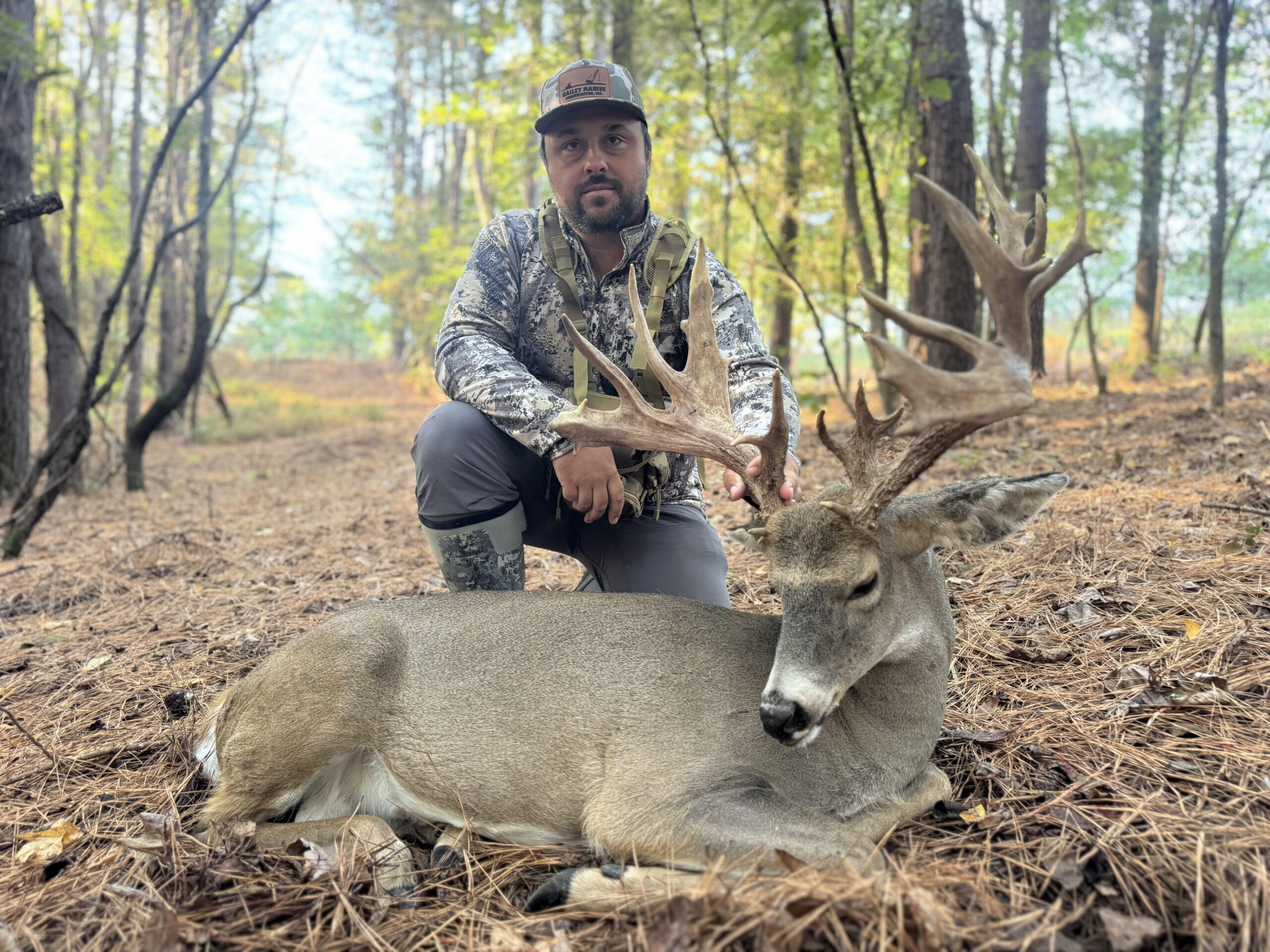
- 170-class bucks are legitimate wall-hangers. A typical 170-inch typical whitetail carries 10 or more scoreable points, good tine length throughout, and a wide, symmetrical frame. For most hunters, this is an exceptional deer.
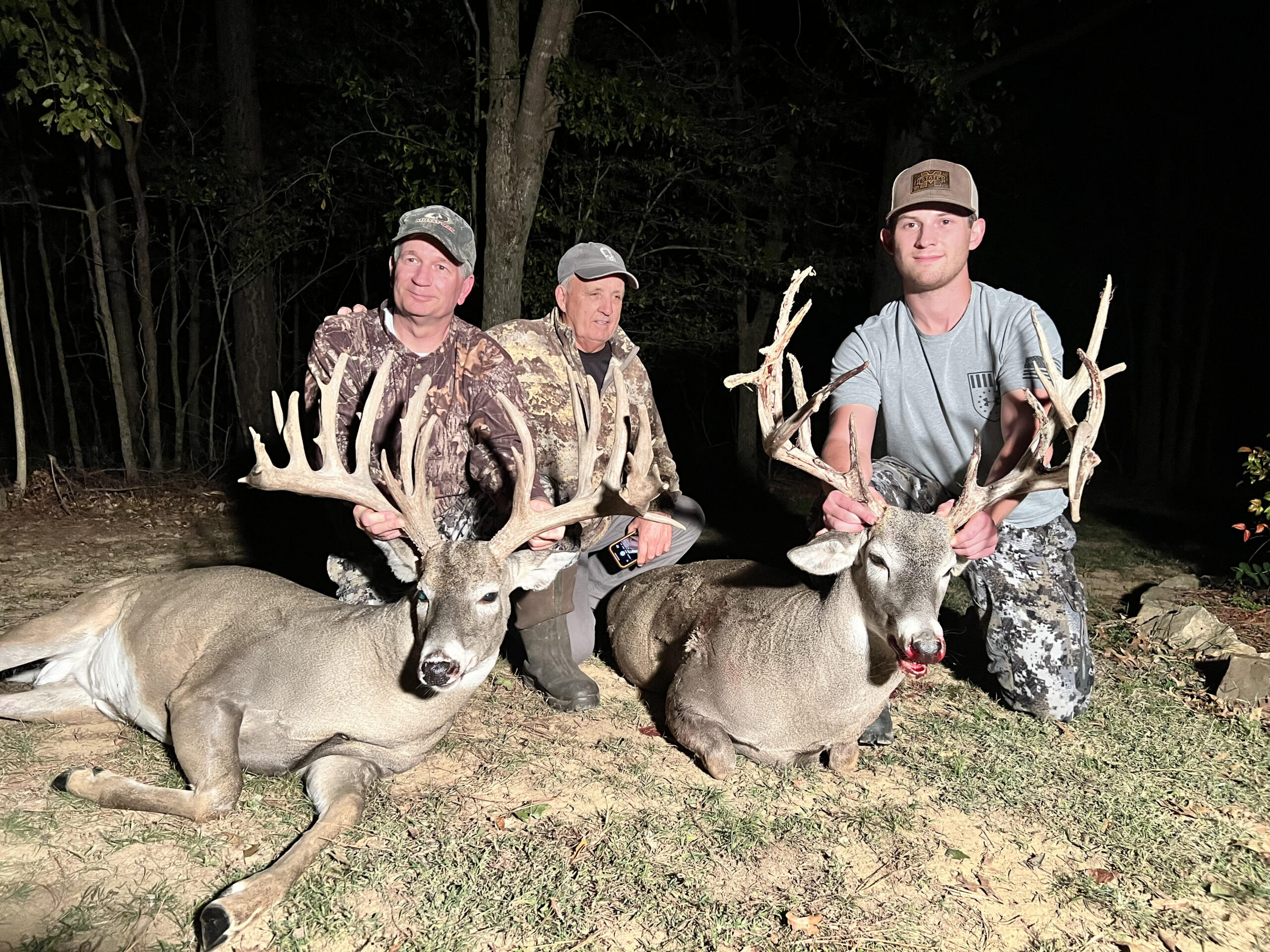
- 180-class bucks represent the upper tier of what most private preserves consistently produce. Extra mass, longer G2s and G3s, and a noticeable inside spread all contribute. These are genuine once-in-a-career animals on public or free-range ground.
- 200-class bucks are rare by any standard. On a high-quality managed preserve, they exist, but you’ll want to ask outfitters specifically about their history with 200-inch-plus deer before setting this as your target.
If you’re not yet fluent in scoring, spend some time with photo examples of 170, 180, and 200-inch bucks before your first outfitter call. It gives you a shared vocabulary. The Boone and Crockett Club also maintains official scoring standards and record books that are worth reviewing if you want to understand exactly how gross and net scores are calculated.
Be honest with yourself about your experience level, too. A first-time destination hunter might be better served targeting a mature 150-to-160-class deer and having a clean, memorable experience than swinging for a 190-inch buck and coming home frustrated. Your guide can help you calibrate, but you need to start the conversation with a realistic number in mind.
Step 2: Choose the Right Time of Year for Your Hunt
Timing is arguably the single biggest variable in a destination whitetail hunt. Book the wrong week and even the best preserve in the country will feel slow. Book the right week and you may see more mature deer movement in two days than you’d see in two weeks on your own.
The whitetail rut divides roughly into three phases, each with different characteristics:
- Pre-rut (typically mid-to-late October): Bucks are beginning to scrape and rub, testosterone is rising, and they’re starting to move more during daylight. Deer behavior is more predictable than during the chaos of peak rut, which makes this a productive window for hunters who prefer a methodical approach.
- Peak rut (typically late October through mid-November): This is the window most destination hunters target. Bucks are actively seeking does, often throwing caution aside. Daytime movement spikes. The flip side is that buck behavior becomes less predictable, but the sheer volume of activity more than compensates.
- Post-rut (late November into December): Buck activity slows as does become less receptive, but mature bucks are feeding heavily to recover body weight. A second, shorter rut pulse often occurs in December, which can produce excellent movement for hunters willing to brave colder weather.
Illinois has historically been one of the top whitetail states in the country, with rut timing that aligns closely with the national average. The region’s combination of agricultural food sources and heavy timber creates ideal deer habitat. For a deeper look at how rut timing plays out specifically in southern Illinois and how to pick your week, see our guide on when to book a whitetail hunt for peak rut action.
One practical note: the most popular rut dates fill up fast. If your heart is set on the first two weeks of November, start the booking conversation at least six to twelve months out.
Step 3: Understand Your Hunting Format — Guided, Private Preserve, or DIY
Not all whitetail hunts are structured the same way, and understanding the spectrum before you book will save you from a mismatch between your expectations and your experience.
DIY public land hunting is the most accessible format on paper and the most demanding in practice. You’re responsible for scouting, permissions, stand placement, weather strategy, and every logistical detail. For a destination hunter flying in from another state, DIY public land hunting introduces a significant number of variables that are difficult to manage without local knowledge built over years.
Guided free-range hunting sits in the middle of the spectrum. An outfitter manages the land and the guide logistics, but deer can come and go freely across property lines. Success rates vary more than on a managed preserve, and the hunter still carries some uncertainty around which animals are actually on the property at any given time.
Private guided preserves (sometimes called high-fence operations) offer the most controlled environment. The deer herd is managed over time for age class and genetics, food sources are optimized, and the guide team has deep familiarity with individual animals and their patterns. For a destination hunter who is traveling a significant distance and has limited days in the field, a private preserve removes a large category of logistical unknowns. You’re not gambling on whether deer are present. The question becomes whether conditions align during your specific window.
For a balanced breakdown of how these two approaches compare, read our piece on high-fence vs. free-range hunting. If you’re new to the private preserve format specifically, the first-time high-fence hunting guide covers what to expect and how to approach it with the right mindset.
Step 4: Build Your Pre-Trip Gear Checklist
Packing for a destination hunt is different from packing for a weekend hunt an hour from home. You can’t run to the store if you forget something, and if you’re flying, you’re limited by airline baggage rules. Build your list early and check it twice.
Here are the core categories to address:
- Layering system: A quality base layer, mid layer, and insulated outer shell are non-negotiable for cold-weather sit hunting. November mornings in southern Illinois regularly drop into the 20s and 30s. Sitting still in a stand for four or five hours demands more insulation than most hunters expect. See the guide on what to wear for southern Illinois deer hunting for specific layering recommendations by temperature range.
- Optics: Quality binoculars are worth more than most hunters give them credit for. At dawn and dusk, when deer movement peaks, marginal glass costs you identification opportunities. A rangefinder is equally important, particularly on open terrain where distances are hard to judge.
- Footwear: Insulated, waterproof boots rated for cold and wet conditions. Your feet will be the first thing to make you miserable if you skimp here.
- Licensing documents: Non-resident deer hunting licenses, your hunter safety certification (if required), and any preserve-specific documentation your outfitter requests. Keep physical copies in a separate bag from your digital copies.
- Your preferred firearm or bow: Confirm your outfitter’s weapon regulations before you travel. Some preserves are archery-only during certain weeks; others welcome rifle hunters during specific seasons.
- Personal kit: Hand warmers, a headlamp with fresh batteries, a quality knife, and any medications you take regularly. Don’t trust that a remote lodge will stock your specific brand of anything.
For a complete packing list built specifically around guided hunts, the packing list for a guided deer hunt covers items that hunters routinely forget on their first destination trip.
Step 5: Plan Your Travel Logistics (Flights, Drives, and Getting There)
Getting yourself and your gear to a destination hunt without a logistical headache requires planning the travel leg with the same care you give the hunt itself.
Flying vs. driving: If you’re traveling from the East Coast, the Pacific Northwest, or anywhere more than a day’s drive away, flying is usually worth the added complexity. Cedar Ridge sits in southern Illinois, and the closest major airport is Barkley Regional Airport in Paducah, Kentucky, which is a short drive from the property. For full details on flight routing options and ground transportation from regional airports, see the guide to the best airports and routes to Cedar Ridge.
If you’re driving, southern Illinois is accessible from St. Louis, Nashville, Indianapolis, and Chicago without an overnight stop in most cases. Plan to arrive the evening before your first hunt morning rather than the morning of. Starting your first sit tired and rushed is a poor use of your license.
For hunters planning a road trip with multiple stops or coordinating with a group, the road-trip hunt planner covers routes, toll considerations, and timing strategies worth reading before you leave.
Transporting your firearm by air: TSA requires unloaded firearms to be transported in a hard-sided, locked case in checked baggage, declared at check-in. Ammunition must be in its original manufacturer’s packaging or a designed container. Check your airline’s specific weight and quantity limits before you pack.
Antlers on a plane: If you’re flying home after a successful hunt, antlers can be transported as checked baggage or cargo depending on size. The specifics matter, and the rules are more manageable than most hunters expect. The dedicated page on bringing deer antlers on a plane covers what you actually need to know before you head to the airport.
Step 6: Know What to Expect Once You Arrive
One of the quieter anxieties first-time destination hunters carry is simply not knowing what the arrival experience looks like. What happens when you pull up? Who do you talk to? When do you see your stand?
At a well-run guided preserve, check-in is straightforward. You’ll meet your guide team, get oriented to the property layout, and review the rules of the operation. This isn’t bureaucratic, it’s actually one of the better parts of the experience because you’re getting information that directly improves your hunt. Your guide will have knowledge about which deer have been active, which stand locations have been productive leading up to your arrival, and how to position yourself for the best morning sit.
Stand assignments are typically made the evening before each hunt based on wind direction, recent deer activity, and your trophy goal. A good guide doesn’t just put you in the stand with the best view. They put you in the stand where your specific buck is most likely to show up given the conditions that day.
The lodge itself is part of what separates a destination hunt from a weekend camp-out. Quality preserve lodges offer private rooms, hot meals, and a comfortable common space to decompress between sits. You’ll spend a fair amount of time at the lodge, and that time matters for rest, recovery, and staying sharp for the next morning.
For a fuller picture of what the experience looks like from the moment you arrive to the moment you leave, the hunt experience overview at Cedar Ridge walks through it in detail.
Step 7: Prepare Mentally and Physically for a Destination Hunt
Most hunters spend months obsessing over gear and almost no time preparing their body or mind for what a destination hunt actually demands. That imbalance shows up in the field.
Physical preparation: Sitting still in a treestand or ground blind for four to six hours in cold weather is more physically demanding than it sounds. Your core has to work to maintain warmth. Your back and hips get stiff. If you’re not used to extended periods of stationary sitting, start conditioning yourself eight to ten weeks before your trip. Daily walks, stretching, and core work go a long way. Hunters who arrive in poor cardiovascular condition tend to fidget more, make more noise, and cut their sits short. All of those behaviors reduce your odds.
Cold-weather endurance: Beyond general fitness, practice sitting outside in cold temperatures before your trip. Wear your full hunting kit on a cold morning in your backyard or a local park and see how long you’re comfortable. You’ll quickly learn whether your insulation system is adequate or whether you need to upgrade before you’re sitting over a field in November.
Managing nerves in the field: Buck fever is real, and it happens to experienced hunters at every level. When a mature buck steps out at close range, your heart rate spikes and your hands start moving on their own. The best way to prepare for this is to acknowledge ahead of time that it will happen and build a short, repeatable mental routine for slowing down in that moment. Breath control, a practiced anchor point, a deliberate pause before any movement. Small habits that become automatic under pressure.
For hunters who want a deeper look at managing adrenaline and composure in the field, the piece on keeping your cool on a giant deer is worth reading before you go.
Frequently Asked Questions About Planning a Whitetail Hunting Trip
The questions below cover the details that come up most often when hunters are in the planning stage of a destination whitetail hunt. If you have questions specific to Cedar Ridge, the full hunting FAQ page goes deeper on property-specific topics.
Frequently Asked Questions
How far in advance should I book a guided whitetail hunting trip?
For peak rut dates (late October through mid-November), booking six to twelve months in advance is strongly recommended. The best outfitters fill their prime weeks early, sometimes within days of opening their calendar for the following season. If you have a specific date range in mind, don’t wait. Off-peak dates (early October or late November into December) typically have more flexibility, but availability still narrows quickly once word gets out.
Do I need a non-resident deer hunting license for a guided hunt on a private preserve?
In most states, yes. Even on a private preserve, state hunting regulations apply and a valid non-resident deer license is required. Your outfitter will tell you exactly which licenses and tags you need before your trip, but don’t wait for them to remind you. Research your destination state’s requirements early, since some states have application deadlines or limited non-resident license quotas. In Illinois, non-resident firearm deer licenses are available over the counter, but it’s worth confirming current season rules with the Illinois Department of Natural Resources before you book.
What trophy class of buck should a first-time destination hunter realistically target?
A 150-to-165-inch mature buck is a realistic and genuinely impressive target for a first-time destination hunter. Animals in this class are legitimate trophies by any standard, and pursuing them gives you the full high-quality experience without the added pressure of chasing a specific record-book number. As you gain experience with how guided hunts work and how you perform under pressure, you can dial up your trophy goals on subsequent trips. Start where your experience is, not where your aspirations are.
Is a guided hunt on a private preserve a good option if I have never hunted whitetail before?
A private guided preserve is actually one of the better environments for a new whitetail hunter, specifically because so many of the variables are managed for you. You won’t be asked to scout your own stands, interpret deer sign, or make weather-based strategy calls on your own. Your guide handles that. What you need to bring is a willingness to learn, patience in the stand, and confidence with your weapon. Many preserves actively welcome newer hunters. See our page on whether you need to be an experienced hunter to book a guided hunt for more context.
What is the best month to plan a whitetail hunting trip for peak rut activity?
In the Midwest and across much of the whitetail’s core range, the peak rut typically falls between November 1 and November 15. In southern Illinois specifically, this window is historically reliable. Pre-rut activity in late October can also be excellent, with bucks scraping heavily and beginning to move during shooting light. If your schedule only allows one trip and you want the highest odds of catching a buck on his feet during daylight, target the first two weeks of November. For a date-by-date breakdown, the peak rut timing guide for Illinois is the right resource.
Can I fly to a destination whitetail hunt, and how do I handle transporting antlers on a plane?
Flying to a destination hunt is completely manageable with a bit of advance planning. Firearms must be checked in a hard-sided locked case and declared at the counter; your airline’s website will list specific rules for ammunition quantities. For antlers, cleaned and dried antlers are generally accepted as checked baggage or oversized cargo depending on size and airline policy. Some hunters ship antlers home via freight to avoid baggage hassle. For full details on the process, read the dedicated page on bringing deer antlers on a plane before you finalize your travel plan.
A well-planned destination whitetail hunt doesn’t happen by accident. It starts months out with a clear trophy goal, a realistic timeline, and honest preparation across gear, travel, and mindset. The hunters who walk away with the best experiences are the ones who treated the planning phase as seriously as the hunt itself.
If you’ve worked through this guide and you’re ready to take the next step, Cedar Ridge Whitetails works with a limited number of hunters each season to keep the experience focused and the quality high. When your plan is in place and you’re ready to talk dates and availability, reach out through the contact page to start the conversation.
Leave A Comment