

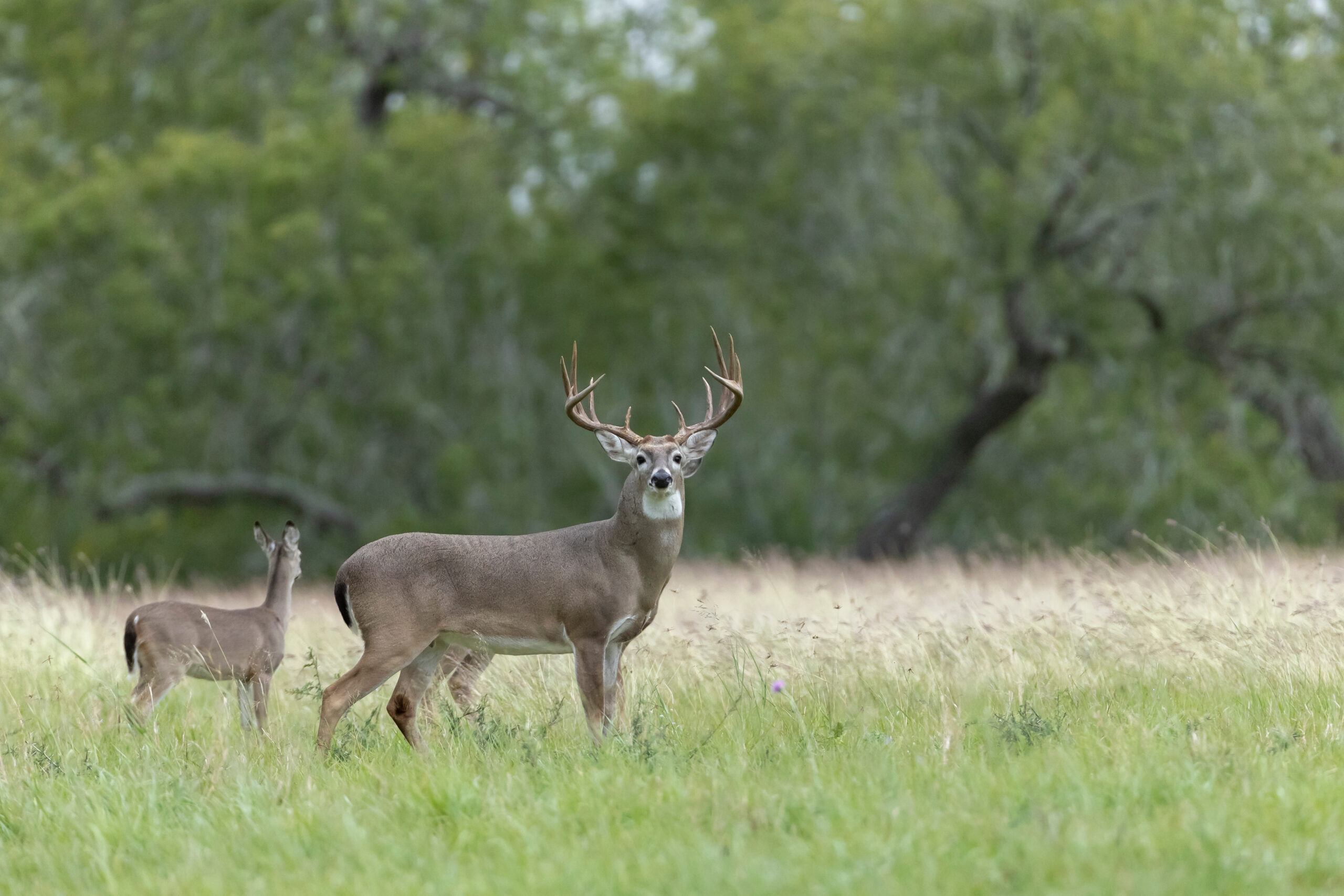
Moon Phase Deer Hunting: What The GPS Collars Really Reveal
Ask a campfire full of deer hunters about moon phase deer hunting and you will get ten different answers. Some swear that a full moon makes mature bucks cruise at noon. Others save precious vacation days for the new moon, convinced that daylight movement spikes when the nights are darkest. At Cedar Ridge Whitetails in southern Illinois, we love the debate, but we trust data as much as we trust our gut. So we dug into years of GPS collar research from respected wildlife programs and compared it with our own guided hunts in our diverse preserve. The result is clear. The moon has some influence, but not in the way most hunters think, and it ranks far behind other factors that reliably move mature bucks.
The big picture from GPS studies is simple. Whitetails are crepuscular. They move most around first light and last light. That pattern holds regardless of moon phase. Full moon, half moon, or sliver of a moon, deer still key on dawn and dusk, and mature bucks still play by the rules of security cover and wind. There are nuances that can help you plan smarter, and we will cover those. But if you want to tag a heavy bodied, big framed buck, betting your hunt on the lunar calendar alone is a losing play.
The Two Things Moon Phase Actually Does
Based on GPS movement data and what our guides see every fall at Cedar Ridge Whitetails, the moon does two consistent things.
- It changes night time light levels, which can slightly affect how long deer feed after dark.
- It can shift some activity later into the night during bright full moon periods, sometimes nudging first light movement a touch later. This is not a rule, just a mild tendency.
Notice what is missing. There is no strong, proven jump in midday movement tied only to the full moon. There is no magic new moon spike that overrides weather, pressure, or the rut. When you separate camp talk from collar points on a map, moon phase deer hunting is more about fine tuning than forecasting big movement surges.
Myths vs Facts About Moon Phase Deer Hunting
- Myth: Full moon means mature bucks cruise at noon. Fact: Midday movement can increase around the rut due to breeding, not the moon. Across the season, GPS data shows limited midday spikes that link directly to moon phase alone.
- Myth: New moon guarantees more daylight activity. Fact: Dawn and dusk remain the main movement windows in all phases. Weather and pressure drive bigger changes than darkness of the sky.
- Myth: Mature bucks bed deep on full moons and are unkillable. Fact: Mature bucks bed where they feel safe based on wind, cover, and human pressure. Moonlight does not reset bedding strategy.
- Myth: You can set your entire hunt schedule by a lunar calendar. Fact: You will see more success by scheduling around the rut window, cold fronts, and quality access than any lunar chart.
What The Data Says About Mature Buck Movement
When biologists fit deer with GPS collars and log thousands of location points, patterns get clearer. The strongest consistent drivers of movement are photoperiod, breeding timing, temperature swings, barometric changes around fronts, and wind. Photoperiod changes, not the moon, cue hormones that fire up pre rut and peak rut behavior. When does approach estrus, bucks move more. When a cold front drops temps after a warm spell, deer often rise earlier in the afternoon. When the wind is wrong for a favorite trail, a mature buck may stall until thermals settle. These are high impact forces you can plan a hunt around.
Moon phase sits in the background. On a bright full moon, deer may feed later into the night in open fields. In some places, that can nudge first movement back toward true sunrise, not civil twilight. But those same nights can also send deer early to shaded edges and thicker cover, which levels out daylight odds for a patient stand hunter set tight to bedding cover. The new moon can feel darker and may push deer to feed closer to edges in the first minutes of light. Yet a warm south wind and steady drizzle will squash that small edge faster than a blacked out sky can help you.
How To Use The Moon Without Chasing Myths
Moon phase deer hunting can still guide a smart plan if you know what to expect and where to place the moon on your priority list. Here is how our guides at Cedar Ridge Whitetails use it.
- Access and exit. On bright full moon mornings, deer may be active in open ag fields longer at night. We favor shadowed access routes through timber or creek ditches and avoid skylines. On dark new moon mornings, we slip closer to bedding with extra quiet steps.
- Edge vs interior. On full moons, consider setting up just inside cover where a buck stages after leaving a field. On dark moons, a conservative field edge at first light can catch a deer returning.
- Tracking and recovery. Full moon nights can help with blood trailing visibility. If a shot happens late, that light can aid a careful, guided recovery.
- Midday patience in the rut. If a full moon lines up with peak rut, we still sit long. The rut drives midday movement. The moon does not create it but also does not cancel it.
- Evening timing. After a string of bright nights, be in your tree early on the first cool evening. If deer shifted feeding later, a cold front can snap them back to a prime last hour.
What Moves Mature Bucks More Than The Moon
At Cedar Ridge Whitetails we hunt big deer every day of the season within our private southern Illinois preserve. We see what wins. These forces beat lunar charts over and over.
- Weather fronts. A cold front that follows a warm stretch is gold. Pressure rising, wind steady, temps dropping. Be in the stand.
- Wind direction and thermals. Mature bucks bed where wind shields them and where they can smell danger. Plan stands and access with precision.
- Human pressure. A single sloppy entry can push a buck to a deeper draw. We rotate stands and protect bedding areas.
- Food shifts. From cornfields to green food plots to acorn rain in mature timber, follow the freshest feed and the trails that connect it to thick cover.
- Breeding window. Pre rut and peak rut raise movement despite the moon. Scrapes, travel corridors, and doe bedding edges heat up.
Field Insights From Cedar Ridge Whitetails
Our preserve sits on diverse ground with mature timber, pine and cedar thickets, thick draws, cornfields, and manicured food plots. That habitat mosaic lets us observe how bucks actually move in real time. On full moon weeks, we often catch big deer skirting the shadow line where fields meet cedar cover at first light. They step into the timber and slow down, staging 50 to 100 yards inside the edge. A stand tucked into that interior, with a quiet creek draw for access, has been deadly. On dark moon mornings, we sometimes push a stand closer to bedding when the wind and thermals are perfect. The lack of moonlight can let a careful hunter slip tight without being seen.
Most important, our most consistent trophies do not come from chasing moon dates. They come from controlled access, stands that match bedding on the wind of the day, and reading current sign like fresh rub lines, new scrapes, and hot tracks on the downwind edge of food. That approach is the backbone of our private guided hunts at Cedar Ridge Whitetails, where each party has the property to themselves and our full attention.
A Step By Step Plan For Moon Phase Deer Hunting That Actually Works
- Pick dates by season phase first. If you can, anchor your hunt around pre rut through peak rut in your region. In southern Illinois, that late October into mid November window is prime.
- Watch weather next. Target the first two evenings after a cold front. Morning hunts shine when temps stay below average and winds are predictable.
- Use the moon for fine tuning. On full moons, lean into shadowed access and interior edge sets at first light. On dark moons, get on the fringe of food at daybreak or push closer to bedding with care.
- Set up for wind and thermals. If the wind is marginal, do not force it. Deer live by their nose. Plan exits that do not blow your scent into evening feeding areas.
- Hunt sign, not theories. Fresh tracks, big rubs, and a newly opened scrape that smells like musk beat any calendar.
- Sit longer when rut is on. Pack a snack and grind from mid morning into early afternoon when does are near estrus, regardless of moon phase.
- Protect your best spots. Overhunting a stand ruins it faster than any full moon. Rotate and rest key areas.
Planning Your Trip To Cedar Ridge Whitetails
If you are dreaming of a heavy rack and a heart pounding hunt, Cedar Ridge Whitetails offers private guided hunts with trophy classes from 170 to 179 inches, 180 to 199 inches, and 200 inches and above. We pair you with stands or blinds that match the day’s wind and the current feed. Lodging on site keeps you close to the action. Whether your dates land on a full moon or a sliver, we build a plan around the highest impact factors and the freshest deer intel on the preserve.
Our team has guided hunters through clear frosts and soupy fog, under bright moons and backlit stars. We will talk through access routes before the hunt, study maps of mature timber fingers and cedar thickets, and time sits around pressure and temperature swings. When the moon is bright, we focus on slipping into interior edges and creek draws before first light. When the nights are dark, we may catch a buck lingering on a field edge at legal shooting time. The plan changes, but the mission stays the same. Put you in the best possible spot for a close encounter with a mature whitetail.
Frequently Asked Questions About Moon Phase Deer Hunting
Do mature bucks move more in daylight during a full moon?
Not consistently. The strongest daylight movement usually links to weather changes and the rut, not the full moon. A full moon can push some activity later into the night, which may shift first light movement a bit, but it does not create a reliable midday surge on its own.
Is the new moon the best time to hunt?
It can offer slightly darker mornings and evenings, which may help with close access and early edge movement, but it is not a magic window. Cold fronts, wind direction, and where does bed will beat the new moon every time.
Should I plan my vacation days by a lunar calendar?
Plan your days around the rut window and likely fronts. If you can combine those with a moon phase you like, great. But your odds rise most when you match weather, wind, and fresh sign.
Does moon position overhead or underfoot matter?
Some hunters track overhead and underfoot times. Any effect is small compared to weather and rut activity. If you have the time to sit, being in the woods during dawn and dusk windows will help you more than chasing minor lunar peaks.
How does Cedar Ridge Whitetails use the moon?
We use it to guide access and set selection, not to pick the week. On bright moons we favor interior edges and shaded routes. On dark moons we may set closer to open food or bedding depending on wind. Our main drivers are weather, sign, and the phase of the season.
Why Cedar Ridge Whitetails Delivers Big-Buck Opportunity
- Private guided hunts. Your hunt is exclusive to your party, which means quiet woods and personalized strategy.
- Diverse habitat. Mature timber, pine and cedar thickets, thick draws, cornfields, and lush food plots create natural movement funnels.
- Trophy classes to fit your goals. Hunts targeting 170 to 179 inches, 180 to 199 inches, and 200 inches or more.
- On site lodging. Rest easy between sits and be close to your morning stand.
- Data guided approach. We blend real GPS insights with daily boots on the ground scouting to put you in the red zone.
- Family owned focus. Cedar Ridge Whitetails is built on tradition, respect for the animal, and the thrill of a close encounter.
Final Take: Hunt Smart, Not By The Moon Alone
Moon phase deer hunting is a fine tune tool, not a steering wheel. The moon does not flip a switch on mature buck movement in daylight. What moves big deer is the same mix we watch every day at Cedar Ridge Whitetails. Weather fronts, wind and thermals, food changes, and the relentless pull of the rut. Learn those. Plan around those. Then use the moon to sharpen your access and stand choice by a small degree.
If you want to stack the odds in your favor, come hunt with Cedar Ridge Whitetails in southern Illinois. We will guide you through the cedar shadows at first light, slip you into mature timber above a thick draw, and set you on the downwind edge of a food plot at sunset. Full moon or new moon, the thrill is the same. Your heart will pound when a heavy rack ghosts through the cover. That is the moment we live for, and the memory we are ready to help you make.
Ready to chase a dream buck under any moon? Contact Cedar Ridge Whitetails to book your private guided hunt, choose your trophy class, and lock in your dates. The data is in. The strategy is set. The adventure is waiting.
Leave A Comment