

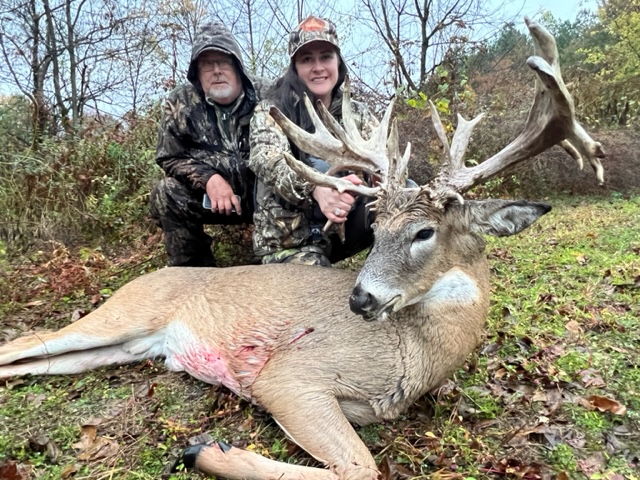
Take the Ultimate Hunting Road Trip to Cedar Ridge Whitetails
Your next great story starts with a hunting road trip to southern Illinois, where legendary whitetails roam and tight-knit guides know every ridge, draw, and trail. Cedar Ridge Whitetails welcomes you to a private preserve built for adventure. The landscape blends hardwoods with pine and cedar cover, funnels through brushy draws, and borders cornfields and food plots that deer love. It is a perfect setup for up-close encounters and heart-pounding shot opportunities.
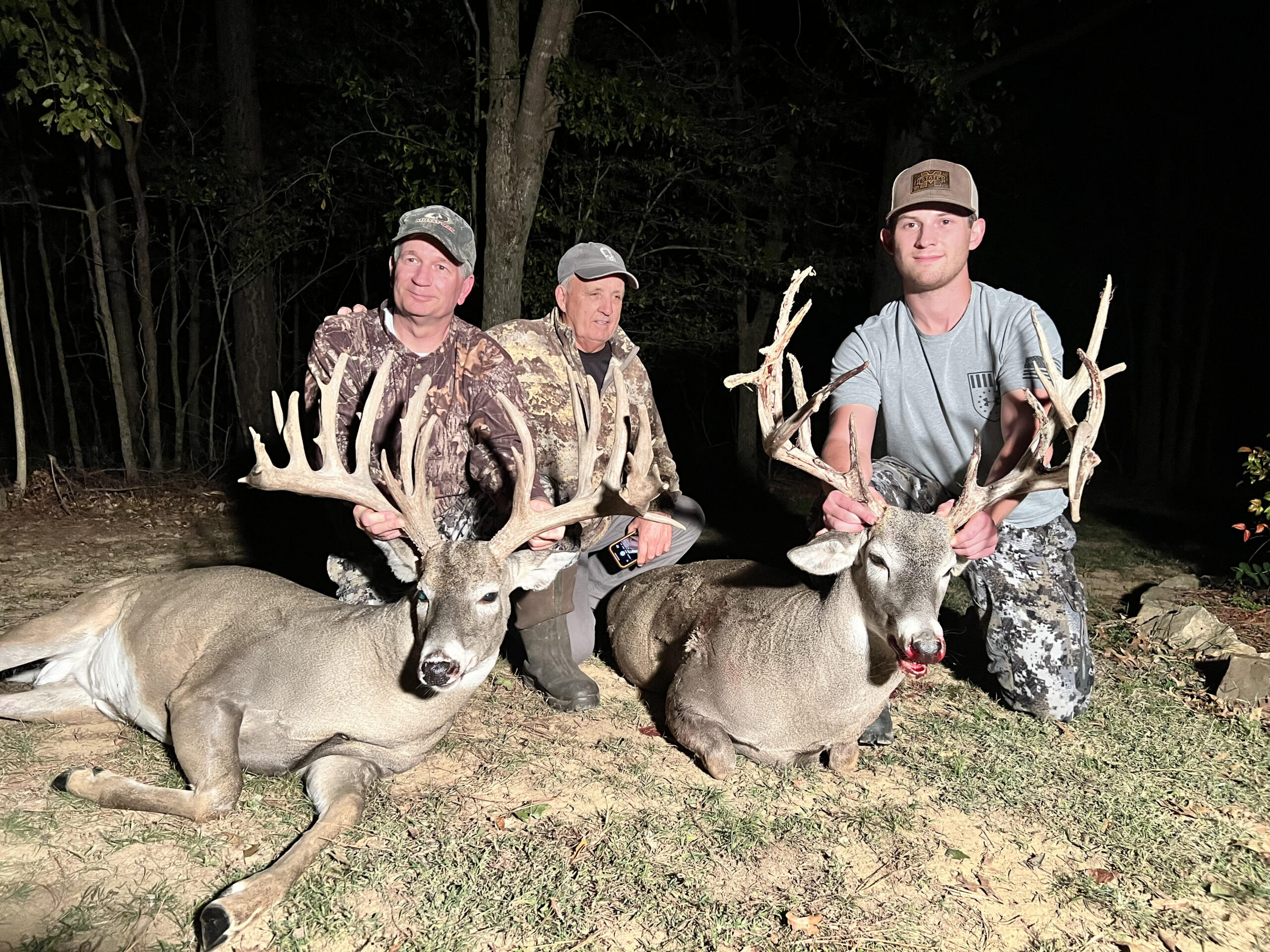
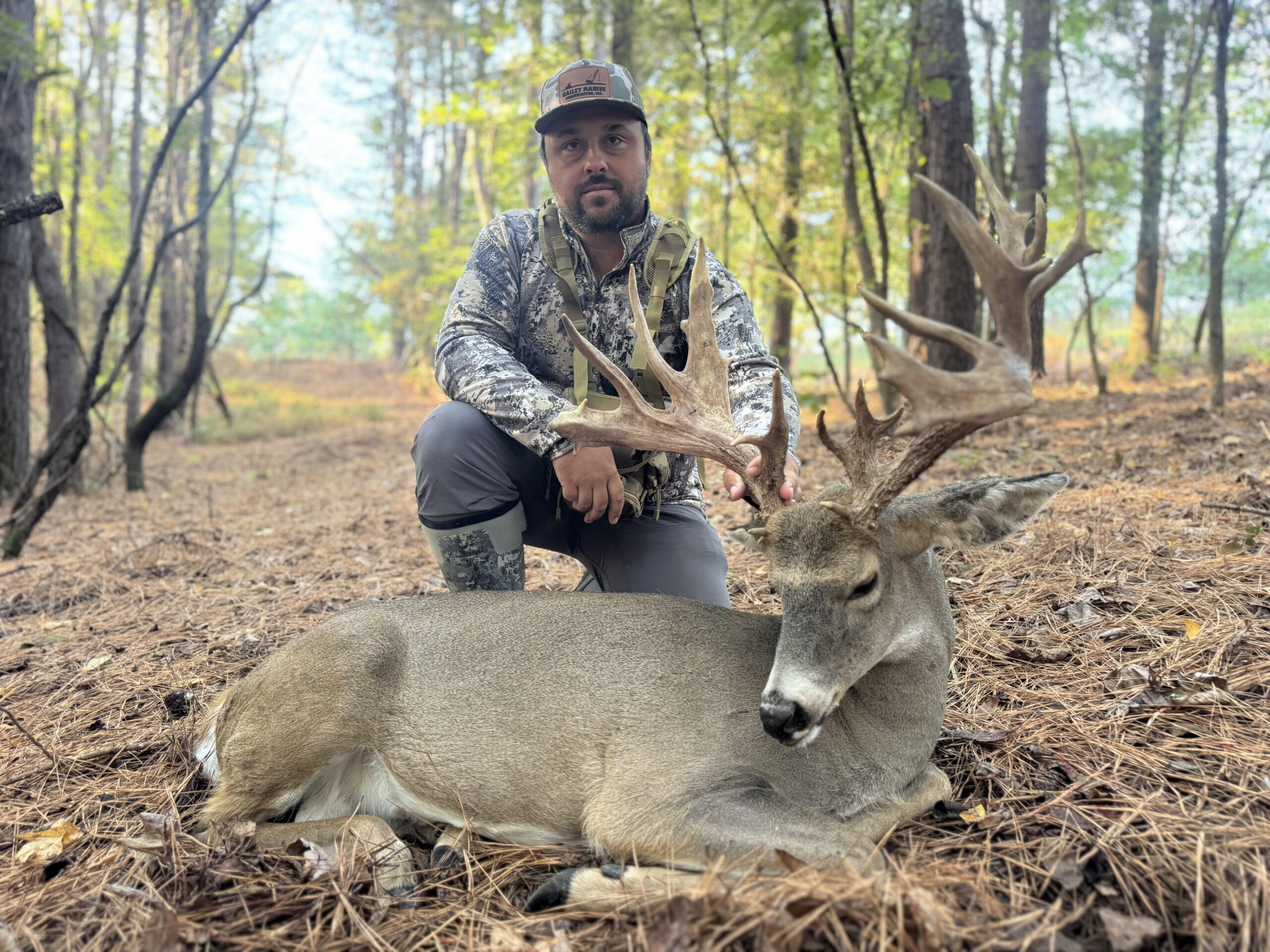
Cedar Ridge Whitetails is family owned and focused on quality. Your group hunts privately with a dedicated guide who is focused on your goals. Whether you dream of a 170 to 179 class buck, a 180 to 199 class giant, or a deer that breaks the 200 mark, the team here has a plan to match your ambition. On-site lodging means you can rest, refuel, and get back in the stand while the conditions are right. Pair that with a well-planned drive and you have a hunt that feels seamless from the first mile to the final grip and grin.
This guide shows you how to plan routes, estimate tolls, and time your stops, all designed for a smooth, stress-free hunting road trip. If you are ready to map the path and pack smarter, you are in the right place.
Map Your Route to Southern Illinois
Southern Illinois sits at a crossroad of major interstates that make the drive straightforward from most directions. The preserve’s general region is reachable from Chicago, St. Louis, Nashville, Indianapolis, Kansas City, Louisville, and beyond without complicated navigation. Your goal is to balance speed with low stress, and to choose roads that keep you moving safely with a truck, gear, and coolers.
Best Highways to the Preserve
- I-57 is the north-south backbone through Illinois and a favorite for travelers coming from Chicago and central Illinois.
- I-64 runs east-west across southern Illinois. It is a reliable east approach from Louisville and west approach from St. Louis.
- I-24 serves travelers from Nashville and western Kentucky, linking to I-57.
- I-55 connects St. Louis and central Illinois, with easy transfers to I-64 or I-57.
These interstates are well patrolled, have consistent services, and are friendly to trailers and full-size trucks. Avoid winding two-lane detours unless your navigation app confirms they save significant time without adding risk.
City-to-Field Route Ideas
- From Chicago: Take I-57 south most of the way. Consider avoiding the Chicago-area toll network by timing your departure early and staying on I-57 rather than routing across I-294.
- From St. Louis: I-64 east provides a smooth ride. Cross the river during non-peak hours to avoid delays, then connect as directed by the preserve’s final approach notes.
- From Nashville: Use I-24 northwest to I-57 north. Watch for construction zones near Paducah and keep an eye on river crossing alerts during heavy rain.
- From Indianapolis: Either I-70 west to I-57 south or I-65 south to I-64 west depending on traffic. Check live conditions before committing, as rush hour can flip the advantage.
- From Kansas City: Head east on I-70, then drop southeast on I-64. Factor in St. Louis traffic windows to keep rolling.
- From Louisville: Take I-64 west. This is one of the most direct, low-stress approaches into southern Illinois.
If Cedar Ridge Whitetails provides a preferred final turn sequence, save it offline. Rural cell coverage can dip near the end of the trip, and having a pinned map or printed directions can save time.
Offline and Backup Navigation
- Download offline maps in your navigation app before departure.
- Save a second navigation app for redundancy in case your primary app burns through battery or loses signal.
- Carry a simple paper map for the last few miles. It sounds old school, but it works when phones do not.
Estimate Tolls Before You Roll
Knowing your toll exposure is part of a smart hunting road trip plan. Tolls can add up once you pass through busy city belts and turnpikes. A quick estimate helps you choose between a faster toll route and a slightly slower no-toll alternative that might save cash.
Common Toll Roads by Direction
- Northern routes: Chicago’s I-294 and I-90 can charge for multiple segments. Indiana Toll Road and the Ohio Turnpike are also common for travelers who come from the Great Lakes region.
- Eastern routes: The Pennsylvania Turnpike and parts of West Virginia include toll sections. These are smooth but come with fees.
- Central routes: Missouri and Kentucky have mostly free interstates. Approaches from St. Louis, Louisville, and Nashville are often the least expensive.
- Western routes: Portions of Kansas and Oklahoma use turnpikes. If you are coming from the Plains, compare a toll turnpike against a free interstate that runs parallel.
How to Calculate and Save on Tolls
- Input your origin and the preserve area into your mapping app. Toggle between fastest and no-toll settings to see the time and cost difference.
- Check state toll calculators if you must cross a turnpike. Keep in mind fees can differ for two-axle trucks, three-axle rigs, and trailers.
- Consider a transponder like E-ZPass if your route includes multiple toll zones. Many states offer a discount for electronic payments.
- Travel off-peak through metro areas. Weekend early mornings often mean lighter traffic and smoother passage.
- Pack cash or a charged card. Some booths still accept cash, while others require card or transponder. Prepare for both.
Perfect Your Timing and Daily Schedule
A great hunting road trip is about arriving rested and ready. The right schedule reduces stress, keeps your focus sharp, and gives you time to sight-in, talk strategy with your guide, and dial your setup before the first sit.
Sample 3-Day Hunt Timeline
- Day 0 Travel and Check-In: Depart early in the morning to arrive by late afternoon. Check in at Cedar Ridge Whitetails lodging, unload gear, and head to the range for a quick verification of zero. Review stands, access trails, and wind plans with your guide.
- Day 1 Hunt: Morning sit in a travel corridor or staging edge near food. Midday break and scout via glassing if conditions allow. Evening sit in a pinch point with wind in your favor.
- Day 2 Hunt: Shift with the wind. Adjust for pressure and sign. Trust your guide’s call for stand rotation.
- Day 3 Final Sit and Departure: One last focused sit where activity has been best. Pack up, finalize meat care or caping plans, and hit the road.
Sample 5-Day Hunt Timeline
- Day 0 Arrival: Early arrival for gear check and plan briefing. Study aerial maps with your guide to understand bedding, feeding, and funnels.
- Days 1 to 2 Patterning: Safe sits over proven movement routes. Take notes on wind trends and deer behavior.
- Day 3 Aggressive Adjustment: Move closer to a buck’s daylight trail if conditions support it. Use a controlled entry with quiet gear and scent discipline.
- Day 4 Adaptation: Change stand height or angle. Play the thermal shifts after sunrise and before sunset.
- Day 5 Close Strong: Choose confidence spots and focus on prime hours. Celebrate the hunt, tag or no tag, and plan your drive home.
Smart Fuel, Food, and Rest Stops
Every stop on a hunting road trip should earn its place. Stopping too often wastes daylight. Waiting too long leads to fatigue and mistakes. Build a simple rhythm that keeps you sharp and on time.
Build a Stop Cadence
- Fuel every 200 to 250 miles. You avoid scraping the bottom of the tank in rural stretches.
- Eat before you are starving. Pack high-protein snacks, fruit, and water to stay even-keeled.
- Stretch at every stop to keep your lower back and hips loose for long sits in the stand.
- Use rest areas to adjust layers. Keep outerwear accessible for quick changes as temps swing.
- Plan one longer break if your drive exceeds eight hours. A 20-minute power nap can change the whole evening.
Weather Windows and Seasonal Strategy
Southern Illinois offers classic whitetail weather. Early season brings warm afternoons and evening movement near food. Pre-rut weeks build with chilled mornings, crisp winds, and aggressive cruising. The rut can turn a quiet draw into a highway. Late season focuses on high-calorie food and careful entry. Watch long-range forecasts for pressure rises, cold fronts, and wind shifts. If your dates are flexible, slide arrival by a day to line up with a front. Cedar Ridge Whitetails guides pay close attention to barometric pressure and thermals in the timber and thickets. A quick call before you leave can fine-tune your plan for the exact week you will hunt.
Gear and Vehicle Prep Checklist
Pack lean, pack right, and pack it where you can reach it. Your truck is your base camp during a hunting road trip, and a clean system reduces stress on arrival.
- Weapons and Ammo: Rifle or bow in a lockable case, correct ammo or arrows, broadheads tuned, backup release or extra magazine.
- Clothing: Layering system from base to outer shell, insulated boots, socks, gloves, and a compact rain layer.
- Stand and Safety: If bringing your own, include a safety harness, lineman’s belt, and a lifeline. If using outfitter stands, still bring your harness.
- Scent and Wind: Unscented soap, deodorant, scent-free laundry bags, wind checker powder, and ozone or carbon storage if you prefer.
- Navigation and Comms: Phone charger, power bank, headlamp with extra batteries, and a backup light.
- Vehicle Essentials: Full-size spare, jack, tire iron, compressor, jumper cables, basic tool kit, and windshield washer fluid.
- Food and Hydration: Cooler, ice or ice packs, refillable water jugs, instant coffee or tea, and simple camp meals.
- Meat Care: Cooler capacity for quarters or deboned meat, contractor bags, game bags, and a small folding table for clean work.
- Documents: Driver’s license, hunting license, permits, guide contact info, and property directions saved offline.
- First Aid: A basic kit with trauma items like a tourniquet, gauze, and tape, plus blister care and pain relievers.
Scent, Storage, and Meat Transport
Keep hunting clothes in sealed totes or scent bags. Change into outer layers near the hunting site rather than wearing them in the truck. If you tag a buck, cool meat quickly. Ice the cooler before you arrive so it is cold, not warm. Use game bags to keep quarters clean. Ask Cedar Ridge Whitetails about local processors and taxidermy options. If you want a shoulder mount, request a caping job that matches your taxidermist’s preference. Transport antlers and capes according to your home state’s regulations, especially if there are rules on heads or spinal material crossing state lines.
Licenses, Permits, and Ethical Travel
Study Illinois hunting regulations before your trip. Check season dates, legal shooting hours, weapon rules, and tagging requirements. Make sure your hunter education proof is handy if required. Confirm CWD transportation rules and any carcass movement restrictions that affect what parts you can bring home. Cedar Ridge Whitetails guides can help you understand the rules that apply to your hunt. Ethical travel includes respecting local roads, slowing for small towns, and keeping noise down when you roll in late. Pack out what you pack in, and leave the lodge as clean as you found it.
Budgeting Your Hunting Road Trip
A clear budget keeps surprises out of your adventure. Break it down into fuel, tolls, food, lodging, license and permits, and the hunt package you select at Cedar Ridge Whitetails. If you are targeting a certain trophy class, talk to the team about the hunt options that match your goals. The preserve offers hunts tailored to impressive antler sizes, including 170 to 179 class, 180 to 199 class, and 200 and up. On-site lodging simplifies your plan and can reduce local travel costs. Build a small contingency fund for unexpected expenses like a tire replacement or extra cooler ice. When you arrive with a cushion, you can focus on the hunt rather than the calculator.
Arrival at Cedar Ridge Whitetails: What to Expect
When you roll up to Cedar Ridge Whitetails, you will feel the shift from highway to hunt mode. The team greets you, settles you into comfortable on-site lodging, and makes sure you know the plan for the evening or the next morning. You will look over maps with your guide, review wind directions, and pick stands that match the day’s conditions. Expect thoughtfully placed sets that cover travel corridors through hardwoods, edges with cedar and pine cover, and routes that skirt corn or other food sources. The habitat is diverse and productive, and the guides know how to move with the deer.
Private guided hunts mean the focus is on your group. If you like a quiet, methodical approach, the team keeps it calm and stealthy. If you thrive on controlled, aggressive moves when a pattern appears, your guide will help you make smart adjustments. Lodge life keeps things simple. Eat, rest, and prepare gear without leaving the property. Every minute saved is more time hunting.
Troubleshooting the Unexpected
Even the best plans run into surprises. Your hunting road trip is stronger when you have answers ready for common problems. If you hit a traffic jam, re-route early and communicate your new ETA. If weather changes wind direction, trust your guide to swap stands and access paths. If a piece of gear fails, ask about spare harnesses, straps, or tools. Keep an attitude that turns problems into stories. Some of the most memorable hunts start with a curveball and end with a smile.
Why Cedar Ridge Whitetails Stands Out
There are many places to hunt, but Cedar Ridge Whitetails keeps earning return trips because the details are right. The habitat has variety that deer love and hunters need. The guiding is personal and patient, tuned to your style and goals. Trophy class options are clear, so you know what you are hunting for. Lodging on-site lets you focus on rest and readiness. Most of all, the atmosphere invites you to be part of the story, not just a visitor. The team wants to help you create a hunt you will talk about for years.
Start Planning Your Hunting Road Trip Today
Map your route. Estimate your tolls. Set your timing. Then point your truck toward southern Illinois and the whitetail country that calls to every deer hunter. Cedar Ridge Whitetails is ready to guide you on a private hunt built around your goals, with stand locations placed for shots that count. If you are chasing a 170 to 179 class buck, a 180 to 199 class bruiser, or a 200 and above legend, this is your place to hunt smart and hunt well.
Your hunting road trip should be easy to plan and thrilling to complete. With clear routes, smart toll decisions, an organized schedule, and reliable gear, you will roll in confident and focused. From the first handshake at the lodge to the last mile home with coolers full and tags filled, your journey can be as rewarding as the hunt itself. Start planning now, and let the next great chapter begin at Cedar Ridge Whitetails.
Leave A Comment