

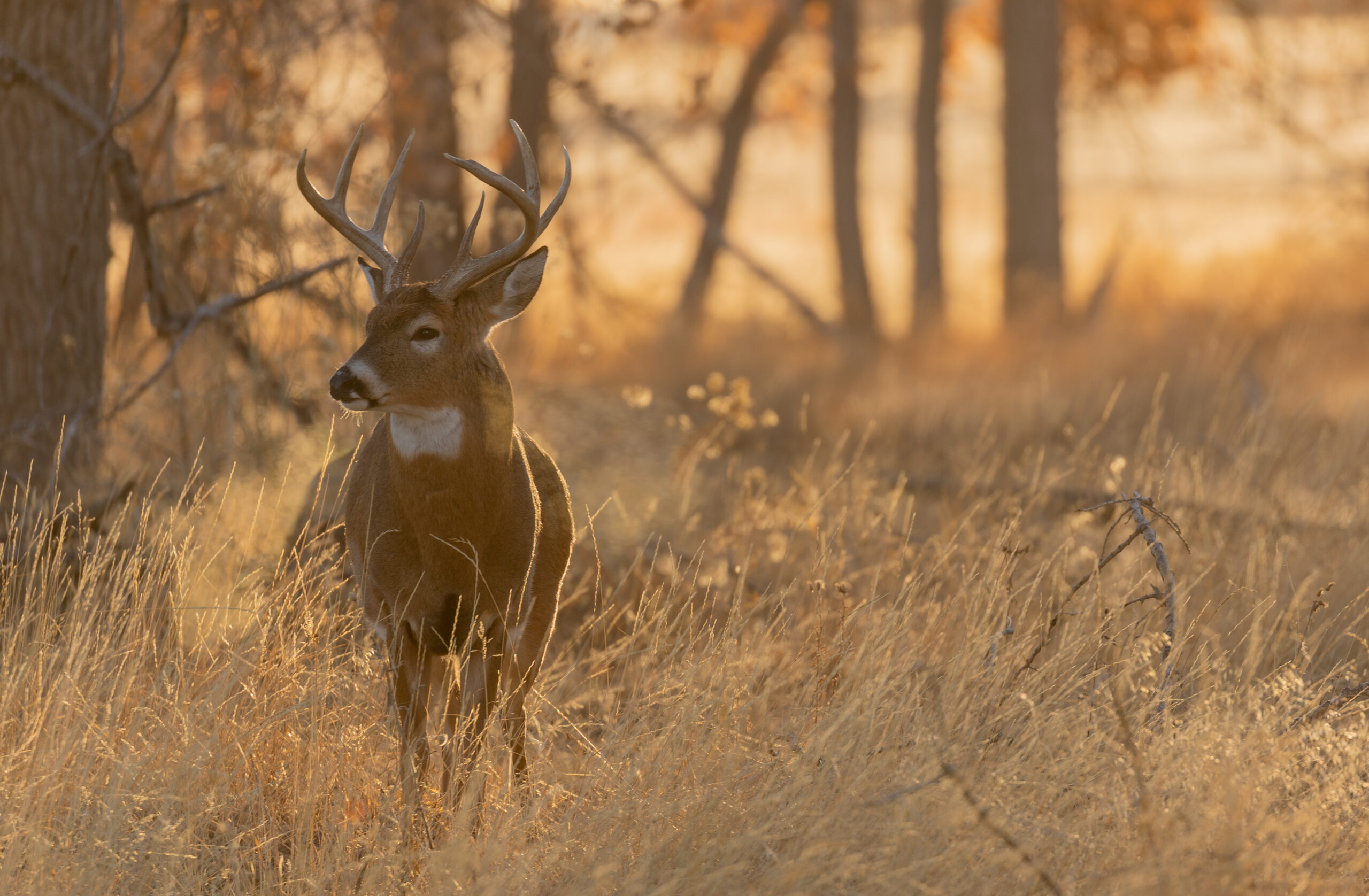
Your Field Guide to Types of Whitetail Deer
If you love the rush of a crisp dawn, the whisper of wind through timber, and the quiet snap of twigs that quickens the pulse, understanding the types of whitetail deer will elevate every moment in the field. This guide breaks down the most talked-about whitetails you are likely to encounter or read about: the Common Whitetail Deer, the Coues’ Deer, and the Key Deer. You will learn how to spot the differences, what habitats each prefers, and which traits help with quick identification. Whether you are scanning oak ridges in the Midwest or glassing rugged slopes in the Southwest, this is your starting point for smarter scouting and more memorable encounters.
At Cedar Ridge Whitetails in southern Illinois, we live and breathe whitetails. Our private hunting preserve is a mix of mature timber, pine and cedar thickets, thick draws, cornfields, and food plots, which means deer are always on the move. Even if your next adventure is not in the Midwest, this overview will help you recognize each type by size, behavior, and habitat. By the end, you will be able to separate the big-bodied Common Whitetail from the high-country Coues’ Deer and the tiny, coastal Key Deer with confidence.
At a Glance: How These Whitetails Differ
- Common Whitetail Deer: Widespread across North America, medium to large body, thick neck in the rut, strong antler mass where nutrition is high.
- Coues’ Deer: A smaller, gray-toned subspecies in the Southwest, often found in rugged mountains and oak-juniper country, keen eyesight and elusive habits.
- Key Deer: The smallest whitetail, native to the Florida Keys, compact body, delicate features, protected by law.
- Fast ID cues: Body size and weight, coat color and shade, antler mass and tine length, habitat type and elevation, track size and gait.
- Behavior differences: Rut timing can shift by region, Coues’ Deer rely on steep cover and long sight lines, Key Deer often move through coastal lowlands, Common Whitetail adapt to farms, hardwoods, and mixed cover.
Common Whitetail Deer
Range and Habitat
The Common Whitetail Deer is the classic North American deer, thriving from the East Coast to the Midwest and across much of the South. They adapt quickly to farmland edges, hardwood forests, mixed pines, and river bottoms. In the Midwest, a perfect day often starts near food sources and transitions to bedding in thickets or timber benches. In the North, they congregate in wintering yards with dense conifers. Their adaptability makes them the most recognizable and widespread of all types of whitetail deer.
Appearance and Size
Common Whitetails tend to be medium to large, with adult bucks often weighing 150 to 300 pounds depending on region and nutrition. Coats are brown to tan in summer and shift to a thicker gray-brown in winter. The iconic white underside of the tail is raised when alarmed, flashing a warning to other deer. Mature bucks develop thick, muscular necks during the rut. Body mass, blocky shoulders, and a deep chest are telltale markers of age when compared to sleeker does or yearlings.
Behavior and Rut
As generalists, Common Whitetails shift daily movements based on food availability, pressure, and weather. In much of the Midwest, the rut peaks in November. Bucks travel between bedding cover and doe concentrations, checking scrapes and rubbing trees. They respond to rattling and grunts when the rut is active. Because they are so adaptable, local patterns often hinge on food sources like acorns, corn, clover, or brassicas. If you find the groceries, you find the deer.
Antlers and Trophy Potential
Antler growth depends on age, genetics, and nutrition. In fertile regions, racks can carry heavy mass, tall tines, and sweeping beams. That is where Cedar Ridge Whitetails shines. Our guided hunts in southern Illinois are set in a private preserve with habitat diversity and year-round nutrition that fuels remarkable antler development. We offer trophy classes ranging from 170 to 179 inches, 180 to 199 inches, and 200 inches and above. If you are chasing a personal best, our timber funnels, cedar thickets, and food plots are built to create opportunities for mature bucks and heart-pounding close encounters.
Tracking and Field ID Tips
Common Whitetail tracks are wider and more rounded than those of smaller subspecies. A big buck track often shows splayed toes in soft ground, and stride length increases when they travel with purpose. Rubs can appear on trees from wrist-thick saplings to the diameter of a baseball bat, and scrapes are often found on field edges, trail junctions, and overhanging licking branches. Combine sign with fresh food sources to pinpoint travel routes.
Coues’ Deer
Range and Habitat
Coues’ Deer live in the southwestern United States and northern Mexico, most famously in Arizona and New Mexico. Think rugged country, steep folds of oak and juniper, high desert grasslands, and pinyon slopes. Elevations often range from about 3,000 to 7,000 feet. They thrive where sharp contours meet mixed cover, which means most sightings happen after glassing basins and hillsides for long periods. If you love big views and challenging stalks, the Coues’ Deer is a bucket-list pursuit.
Appearance and Size
Coues’ Deer are noticeably smaller than their eastern cousins. Bucks often weigh 80 to 120 pounds, with a compact frame and a grayish coat that blends into rock and brush. Their coloration and size are the biggest giveaway, especially when you compare them with the classic Midwestern whitetail. They carry the same signature tail with white underside, but their bodies look more streamlined, and their coats tend to run cooler gray rather than warm brown.
Behavior and Rut
Coues’ Deer are wary and wired for open-country survival. They rely on keen vision and topography to avoid predators and people. In many regions, the rut occurs from December into January, a bit later than the classic Midwest rut. Because they often move through sparse cover, you will do more glassing than still-hunting. Spot-and-stalk tactics, careful wind management, and patience pay off. Watch shaded slopes and edges where browse meets cover in the first and last hours of light.
Antlers and Trophy Character
Do not let their size fool you. Coues’ bucks can grow beautiful, symmetrical racks, though antler mass is usually lighter than a corn-fed Midwestern buck. The appeal of a Coues’ trophy is shape and symmetry, often with elegant tines and a frame that looks proportionally large on a small-bodied deer. Scoring systems apply similarly, but expectations must fit the habitat and food base. To most Coues’ hunters, the reward is less about inches and more about the challenge of the terrain and the excitement of the glassing game.
Tracking and Field ID Tips
Tracks are smaller and more pointed than those of Common Whitetails. Fresh sign may be found near water sources, benches that offer vantage points, and trails that sidehill across brushy slopes. Because visibility can be long, watch for body outlines against brush, ear flicks, or the flash of a tail rather than relying on tracks alone. Pay attention to winds that swirl through canyons and bottomlands. Patience behind the glass is your best tool.
Key Deer
Range and Habitat
Key Deer are native to the lower Florida Keys, with the core population around Big Pine Key and nearby islands. They live in pine rocklands, mangroves, and coastal hammocks. Fresh water is limited, so they adapt to brackish conditions. Their island home shapes everything they do, from daily travel to breeding. Because their range is so small and surrounded by water, they are highly specialized among all types of whitetail deer.
Appearance and Size
Key Deer are the smallest of the whitetail group. Adult bucks often weigh 55 to 75 pounds, and does can be even lighter. They look dainty and compact, with short legs and a narrow chest. Coat color varies with season but typically shows a lighter hue suited to the coastal environment. Even their heads and faces look more refined compared to a Common Whitetail, an adaptation to their small-framed bodies.
Behavior and Protection Status
Key Deer are protected by federal law. There is no legal hunting for Key Deer. Many individuals are accustomed to human presence in residential areas, which makes them easier to see up close. However, distance and respect are essential for the health of the herd. If you visit the Keys, give them space, follow posted guidelines, and never feed them. Conservation efforts have helped the population recover from historical lows, but the species still faces threats from habitat loss and traffic collisions.
Antlers and Field ID Tips
Buck antlers can form tidy, modest racks, usually much smaller than mainland whitetails. Look for a petite frame, small hooves, and delicate tracks that may be about half the length of a typical Midwestern whitetail print. Because Key Deer sometimes travel through neighborhoods and side roads, cautious driving and wildlife awareness benefit both people and deer.
How to Tell Them Apart in the Field
- Start with location. If you are in the broad Midwest or East, assume Common Whitetail. In the Arizona and New Mexico mountains, consider Coues’ Deer. In the lower Florida Keys, it is Key Deer.
- Check body size. Big and blocky often signals Common Whitetail, small and compact suggests Coues’, very small points to Key Deer.
- Gauge coat color and contrast. Warm brown or brown-gray suits Common Whitetail, cooler gray often points to Coues’, and a lighter coastal look is common on Key Deer.
- Study antler mass. Heavy beams and thick mass lean toward a nutritionally rich Common Whitetail region, lighter and tidy racks fit Coues’, petite headgear fits Key Deer.
- Look at the terrain. Hardwood edges and farmland fit Common Whitetail, rocky slopes with oak and juniper fit Coues’, coastal pine and mangrove islands mean Key Deer.
Cedar Ridge Whitetails: Where Common Whitetails Become Extraordinary
At Cedar Ridge Whitetails, the adventure is personal. Our private guided hunts are exclusive to your group, which means no crowded woods and no competing pressure. You and your guide focus on the plan, the wind, and the moment. The preserve spans mature timber, pine and cedar thickets, thick draws, cornfields, and carefully designed food plots. This mix keeps deer comfortable and moving in daylight, especially when weather or rut conditions shift.
If a top-end Common Whitetail is your dream, our trophy classes stack the odds in your favor. Choose from 170 to 179 inches, 180 to 199 inches, or the pinnacle, 200 inches and above. Our guides know the property and the patterns, and our on-site lodging makes it easy to reset, review trail cam intel, and hit it hard again at first light. Cedar Ridge Whitetails is a family-owned preserve, and we take pride in creating a thrilling, respectful experience that you will remember for the rest of your life.
Seasonal Behavior Across Types of Whitetail Deer
Although whitetails share core behaviors, timing and triggers vary with habitat and latitude. Common Whitetails in the Midwest typically hit peak rut in early to mid-November, with pre-rut scraping and daylight movement ramping up when the first frosts arrive. Coues’ Deer often rut later, from December into January in many areas, which can synchronize with cooler, clearer winter days that favor long glassing sessions. Key Deer have a more localized rhythm influenced by the subtropical climate and smaller range, which can spread behavior more evenly across the year compared to northern deer.
Food drives movement for all three. In the Midwest, hard mast like acorns and soft mast like apples or persimmons can flip patterns overnight. Farm country adds corn, soybeans, and clover to the menu. In the Southwest, browse and forbs in pockets of shade are critical, so deer often favor benches that stay cool and hold moisture. In the Keys, native shrubs and coastal plants dominate the diet. Recognizing what is ripe or palatable right now is your shortcut to finding the freshest sign.
Responsible Pursuit, Conservation, and Respect
Part of the thrill of chasing whitetails is the responsibility that comes with it. Always know the regulations in your area. Key Deer are fully protected, so enjoy them at a distance and help educate others who might not know the rules. When hunting Common Whitetail or Coues’ Deer in legal seasons, prioritize ethical shot placement, diligent recovery, and respect for private land and public ground etiquette. At Cedar Ridge Whitetails, we promote ethical practices and low-stress handling throughout the hunt to ensure both safety and a quality experience.
Conservation funding from hunters, habitat managers, and wildlife agencies protects the future of all types of whitetail deer. Supporting habitat initiatives and following best practices keeps populations healthy. Whether you are glassing a distant ridge for a ghost-gray Coues’ buck or easing along a Midwestern edge for a heavy-bodied giant, your choices help shape the legacy of whitetail hunting and wildlife viewing for the next generation.
Gear and Skills That Transfer Across Subspecies
Some tactics shift with terrain, but core skills carry over. Patience and wind discipline help on any deer. In thick timber, learn to read trails, edges, and faint terrain changes. In the Southwest, hone your glassing with tripod-mounted optics and practice reading thermals that rise and fall with the sun. For both, steady shooting and a clear understanding of your effective range are vital. Good boots, layered clothing, hydration, and a simple field kit for recovery and processing turn close calls into success. At Cedar Ridge Whitetails, your guide will help fine-tune strategy for local conditions so you can focus on the moments that matter.
Planning Your Next Adventure With Cedar Ridge Whitetails
If the Common Whitetail captured your imagination, consider putting your new knowledge to work in southern Illinois. Cedar Ridge Whitetails offers private guided hunts that match your goals, from first-time trophy seekers to seasoned veterans chasing a new personal record. You pick your trophy class, settle into comfortable on-site lodging, and let the hunt unfold across a preserve designed for movement, cover, and opportunity. Every hunt is exclusive to your party, which means the experience is yours alone. We want every sunrise to feel like a promise and every rustle in the leaves to spark that electric moment when a dream takes shape.
Final Thoughts: Master the Types of Whitetail Deer
Recognizing the different types of whitetail deer changes how you scout, hunt, and even road-trip. The Common Whitetail represents classic North American adventure in varied terrain, the Coues’ Deer delivers a glass-and-stalk challenge on vertical ground, and the Key Deer reminds us that conservation and respect come first. If you want to put this knowledge to work in the Midwest, Cedar Ridge Whitetails is ready with private guided hunts, dialed-in habitat, and a family-owned commitment to your success. Learn the differences, plan your route, and step into the timber with confidence. Your next great whitetail memory could be one ridge, one draw, or one careful step away.

Leave A Comment