

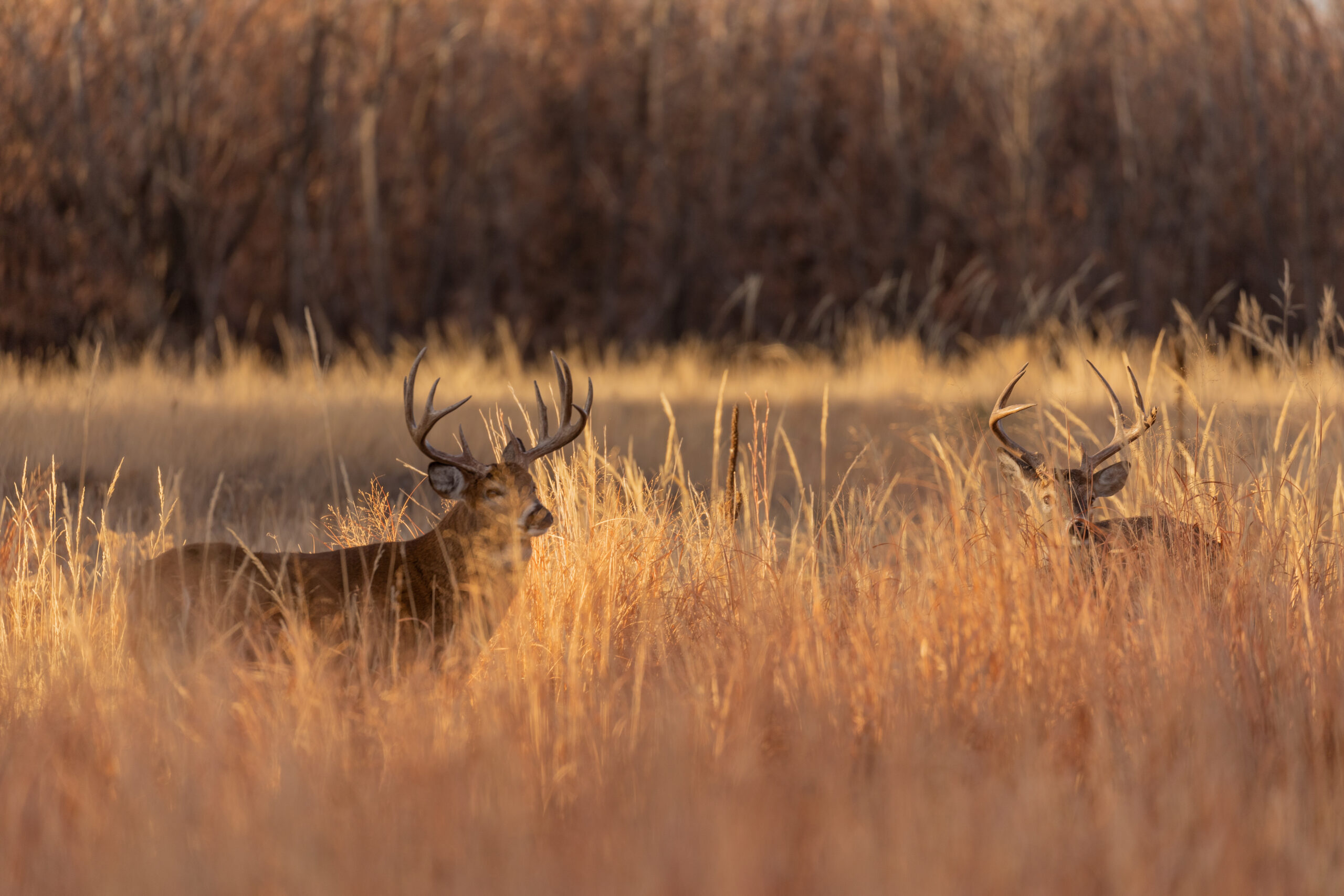
Why This Choice Matters for Whitetail Deer Hunters
Whitetail deer hunters can compare ground blinds and treestands for better concealment, comfort, and shot angles. Discover pros, cons, and tips to choose your setup now. At Cedar Ridge Whitetails in southern Illinois, we help hunters make the right call for the terrain, the wind, and the season so every sit counts.
How Whitetail Deer Detect You
Before picking a ground blind or a treestand, it helps to know how whitetail deer survive. Deer do not see like we do. They key in on movement first, then outline and contrast. Fast hand motions, shoulder twists, and bow draws are what they notice most. They also pick up ultraviolet glare and strong bright patches in your clothing or gear. Their hearing is tuned to quick, unnatural sounds like zipper pulls and small metal clicks. Most important, their nose rules the woods. Even a trace of human scent on the wrong wind can blow a hunt, no matter how good your hide looks.
Ground Blind Advantages
Concealment and Movement Control
A brushed-in ground blind can hide big motions very well. You can shift your feet, draw a bow, or raise a shotgun with less risk of being seen. Blacked-out interiors and small shooting windows help break your outline. For bowhunters who need to draw without alerting a buck that is close, this is a big win.
Comfort for Long Sits
Ground blinds offer room to stretch and a place to stash gear. A chair, a small heater in cold weather where legal and safe, and a thermos can turn a long sit into a steady one. When you are comfortable, you move less and stay focused longer.
Quick Setup in the Right Spot
On the right edge of a food plot, at the corner of a hedgerow, or tucked in a cedar thicket, a ground blind can go where trees are scarce or crooked. This makes them great for field edges, pinch points at ground level, and spots with limited trees. Cedar Ridge Whitetails often uses ground blinds on cornfield corners and along thick draws where deer stage before dark.
Weather Protection
Rain, sleet, and wind are easier to take in a blind. The fabric shell breaks the wind and helps you keep gear dry. Shooting windows keep the elements off your release, ammo, and scope lenses. Less fumbling means quieter moves when a whitetail deer appears.
Great for New Hunters and Youth
Ground blinds give new hunters a forgiving setup. Kids can shift their feet or whisper without being skylined. A trusted guide can coach quietly from the same blind, which is how many families at Cedar Ridge Whitetails share milestone first hunts.
Safety on the Ground
There is no climbing and no harness. You avoid risks tied to height, ice, and slick bark. On windy days or when trees are coated in frost, a ground blind is often the safer play.
Ground Blind Drawbacks
Limited Visibility
Windows create a tunnel view. It is easy to miss a buck slipping in from an angle you did not open. You need smart window management and pre-cut lanes. Open too many windows and deer can silhouette you or wind can swirl inside.
Scent Pooling
Air gets trapped in a blind. If the wind swirls or dies, scent can puddle and then roll out when a gust hits. You must anchor your blind with the wind in mind and use scent reduction best practices.
Noise and Fabric Movement
Flapping fabric, squeaky hubs, and zipper pulls can alert a close buck. Brush and stubble rubbing a blind on a gusty day can also make unnatural noise. Solid staking, guy lines, and quiet window designs matter.
Setup Time and Brushing In
To look natural, a blind should be brushed with local cover and set days ahead when possible. Pop a new blind on a field edge the afternoon you hunt and mature whitetail deer may skirt it for a while. At preserves like Cedar Ridge Whitetails, blinds are often pre-brushed and blended to reduce this issue.
Shooting Angle and Arrow Path
Low arrow flight can clip grass or stalks. Angled window frames can deflect broadheads. You must practice seated shots and mark clear windows to avoid surprises.
Treestand Advantages
Elevated Scent Advantage
Height can carry your scent over a deer’s nose, especially with steady winds and thermals. On cool mornings with rising thermals, your scent may lift above trails. While not a force field, this helps you get away with more than you could on the ground.
Wide Field of View
From a treestand, you can see over brush and grass. You often spot deer earlier and track their approach for a cleaner draw or shoulder mount. This extra awareness means fewer surprises and better timing.
Natural Backdrop and Less Brushing
Bark, branches, and leaves break your outline. With a good tree, you often need less trimming than a ground blind needs brushing. Choose a tree with forked limbs or a wide trunk to hide movement.
Better for Travel Corridors
In timber or along creek crossings, a treestand can hunt multiple trails with one setup. Your arrows or bullets have clearer lanes down into openings rather than through grass and stems at ground level.
Mobility with Lightweight Systems
Modern hang-on stands and climbing sticks let you adapt fast. When you find hot sign, you can shift 50 to 100 yards and be back in the game. Cedar Ridge Whitetails guides often reposition stands based on fresh rub lines or trail camera patterns to keep hunters in the action.
Treestand Drawbacks
Movement Silhouette
Draws, head turns, and shifts can skyline you. Deer look up more in pressured areas. If you do not have cover behind you, even small motions can blow the setup. Wearing quiet, non-reflective gear and using natural cover helps reduce this risk.
Cold Comfort and Long Sits
Wind exposure and cold seats shorten sits. When you are cold, you tend to fidget, which is what whitetail deer notice. Seat cushions, wind layers, and hand warmers matter more in a treestand.
Safety and Access
Climbing in the dark with gear creates risk. A lineman’s belt, full-body harness, and a lifeline are non-negotiable. Icy steps, wet bark, and rotten limbs can turn a hunt into a hazard. Always inspect and maintain your setup.
Noise on Approach
Clanking sticks, squeaky seats, and branch snaps while climbing can echo. Practice your climb and stage gear so you do not fumble with buckles at dawn.
Wind and Tree Sway
Strong winds can sway the tree, move your sight picture, and push scent in bursts. On high-wind days, a protected ground blind can be a smarter call.
Which Hides Movement Better?
It depends on the cover, wind, and how deer use the area. If you hunt a field edge with little back cover, a ground blind brushed with local vegetation hides broad movements best. If you hunt timber with broken canopy and a thick trunk behind you, a treestand hides subtle head turns and bow draws well. For most whitetail deer encounters inside 30 yards, a brushed-in blind wins for movement concealment. For encounters from 30 to 60 yards in broken cover, an elevated stand often edges out by giving earlier visual contact and more controlled movement timing. At Cedar Ridge Whitetails, guides weigh the exact approach route of deer, the background, and the expected shot window before choosing.
Seasonal Strategy in Southern Illinois
Early Season
Warm weather and green foliage favor treestands overlooking travel routes from bedding cover to cornfields and food plots. Height helps with thermals, and leaves offer natural back cover. If beans are still green or corn is standing, ground blinds on edge scrapes can also shine.
Pre-Rut
Bucks check scrapes and stage on the downwind edges of thickets. A ground blind tucked into cedar and pine near a primary scrape can hide draws at tight ranges. Treestands on pinch points between thick draws are strong when you need to watch several trails.
Rut
Deer move all day. Visibility from a stand becomes a major advantage. In funnel timber, a treestand lets you scan long distances and react to cruising bucks. Ground blinds still work in open field corners near doe groups if you need concealment at short range.
Late Season
Food is king. Cold winds make ground blinds with tight seals and heaters more attractive. Position blinds on the leeward side of food plots and cornfields. Treestands still work on calm, cold evenings with steady wind if deer are skirting edges in cover.
Shot Angles and Execution
Ground Blind Shot Tips
- Practice seated shots with your exact chair height and window positions.
- Mark windows for each lane and keep only the needed ones open.
- Trim low grasses and stalks in front of windows so arrows and bullets have clear paths.
- Use a quiet, low-profile rest for rifles or crossbows.
- Angle the blind slightly off the trail so you are not drawing directly in a buck’s face.
Treestand Shot Tips
- Practice steep downward angles to learn how your sight picture changes.
- Trim minimal branches to create lanes without opening a big visual hole.
- Set your stand on the backside of the tree relative to trail direction to hide draw movement.
- Use a safety harness and haul line so both hands are free to climb quietly.
- Plan for quartering-away shots by positioning lanes to your strong side.
Scent, Sound, and Sight Checklist
Scent Control
- Play the wind first. Choose setups that put your downwind side into safe terrain.
- Use clean, unscented clothing and store it away from vehicle and food odors.
- At Cedar Ridge Whitetails, guides monitor wind and thermals and advise stand or blind changes as conditions shift.
Sound Discipline
- Silence zippers and metal with tape or rubber covers.
- Pre-stage gear so you can set up without digging through pockets.
- Move only when deer eyes and ears are blocked by cover or when they look away.
Sight Management
- Break your outline with natural cover. In a stand, keep the trunk behind you. In a blind, brush the roofline and sides.
- Wear dull, non-reflective fabric and face paint or a mask to reduce skin glare.
- Keep movements slow and deliberate. Wait for head-down feeding or a passing train of does to mask a draw.
Common Mistakes That Cost Opportunities
- Setting a brand-new blind on a field edge the same day you hunt it without proper brushing.
- Opening too many blind windows, which creates silhouettes and wind swirl.
- Hanging a stand with no back cover that skylines you on first light.
- Ignoring shifting thermals near creek bottoms in the morning and evening.
- Climbing or adjusting gear within earshot of feeding deer before dawn.
- Forgetting to clear arrow or bullet paths from a ground blind window.
- Sitting the wrong wind because the spot produced last week.
Ground Blind vs Treestand: Fast Matchups
- Best at hiding big movement: Ground blind, when brushed and windowed right.
- Best field of view: Treestand, especially in timber and funnels.
- Best in high winds or rain: Ground blind, due to shelter and less sway.
- Best scent management in steady wind: Treestand, thanks to height and thermals.
- Best for youth and new hunters: Ground blind, due to comfort and forgiveness.
- Best for covering multiple trails: Treestand, with smart lane trimming.
How Cedar Ridge Whitetails Guides Choose for You
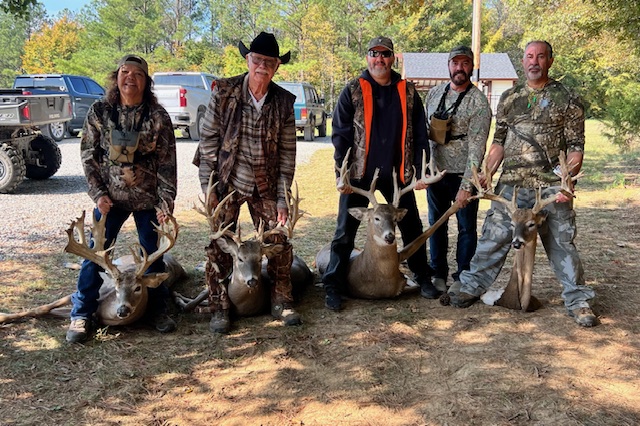
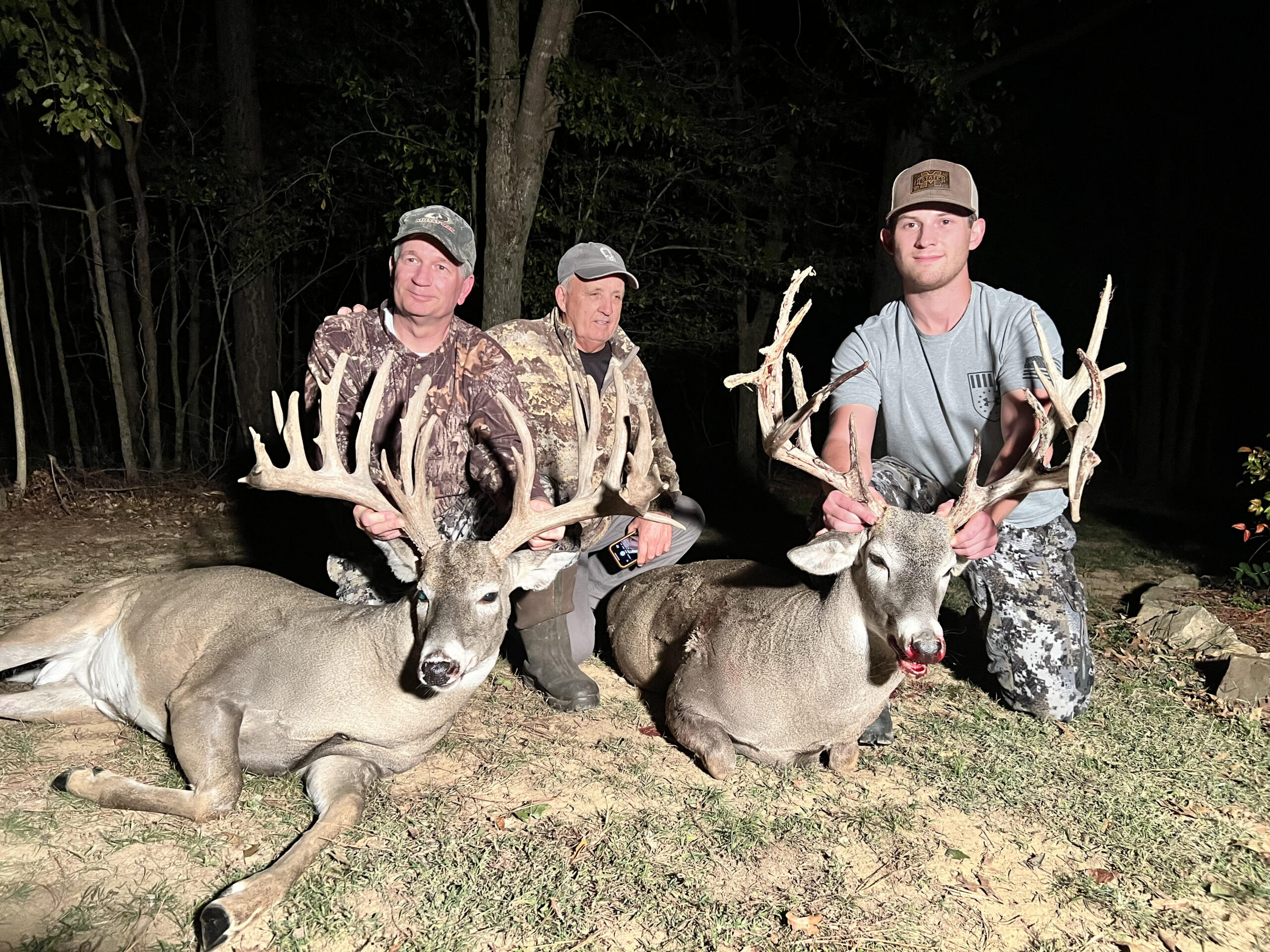
Cedar Ridge Whitetails is a family-owned hunting preserve in scenic southern Illinois. Our private reserve blends mature timber, pine and cedar thickets, thick draws, cornfields, and food plots that hold whitetail deer through every phase of the season. We specialize in private guided hunts, with each experience dedicated to your booking party. Our guides scout daily, study winds and thermals, and decide between ground blinds and treestands based on how deer are moving that week. If you are chasing a buck in the 170 to 179 class, 180 to 199 class, or over 200 inches, setup details matter. We pre-brush blinds, hang stands with safe access, and move you when patterns shift. On-site lodging keeps you close to the action, so a wind change means a quick swap rather than a lost day. The goal is simple. Create a thrilling, safe, and memory-making hunt where your movement stays hidden and your shot window opens at the right time.
Real-World Scenarios We See Often
Edge of a Cornfield With a Crosswind
We favor a brushed ground blind 10 to 20 yards off the edge in natural cover, with two narrow windows open. Deer stage in the last 30 minutes of light and your movements stay hidden against the dark interior.
Timber Funnel Between Two Thick Draws
We hang a treestand 18 to 22 feet up on the downwind side of the main trail with the trunk breaking your outline. Visibility allows you to prepare early as bucks cruise for does.
Late-Season Food Plot on a North Wind
A ground blind on the south side with a quiet heater helps you last to last light. Deer tolerate the brushed-in shape if it has been in place and blended, and your comfort keeps you still.
Preparation Plan for Your Next Hunt
- Scout sign and wind: Note trails, fresh tracks, and expected winds for each sit.
- Pick the hide: Choose blind or stand based on cover, movement needs, and scent plan.
- Blend or hang: Brush in your blind or add back cover to your stand.
- Cut lanes smart: Just enough for clean shots without opening a big hole.
- Practice shots: Rehearse with your exact seat height, angles, and window or rail.
- Stage gear: Quiet clothing, rangefinder, release, and ammo where hands find them fast.
- Access silent: Plan a route that keeps you out of view and upwind of bedding.
- Adapt fast: If wind shifts or deer use a different trail, be ready to move.
Frequently Asked Questions
Which hides my bow draw better at 15 to 25 yards?
A brushed ground blind with tight windows hides the full motion of a draw better at close range. Keep the interior dark and move slow.
What height is best for a treestand?
Between 18 and 22 feet is a common sweet spot. Higher can improve scent lift but may reduce shot angles in thick cover. Always balance height with back cover and safety.
How early should I set a new blind?
Ideally several days before hunting. On private ground like Cedar Ridge Whitetails, we brush and set blinds well ahead of time. If you must set the same day, blend it heavily and expect cautious deer for a sit or two.
Do deer notice treestands?
They notice movement and outline changes more than the stand itself. With good cover and stillness, a stand draws little attention. On pressured ground, deer may look up more often, so choose trees that break your silhouette.
Which is better for gun season?
Both work. Ground blinds shine in wind and cold, and for field edges. Treestands excel in timber when you want a wider view and clean lanes. Pick based on cover and wind first, not the weapon.
Final Verdict: Choose the Hide That Hides Your Weakest Move
If your biggest challenge is drawing a bow or settling into a shooting position without being seen, choose a brushed ground blind and manage windows carefully. If you need to see deer sooner and play the wind from above, choose a treestand with strong back cover. For many whitetail deer hunts, the winning plan is to use both. Start with a treestand to watch patterns. When you learn the exact approach of a target buck, slide in a ground blind tight to his line and seal the deal. At Cedar Ridge Whitetails, our guides mix both tools to match the season, terrain, and wind so you stay hidden, your movement stays private, and your shot angle is clean. If you are ready for a thrilling, private-guided hunt with trophy-class potential and on-site lodging, our southern Illinois preserve is set to deliver long looks, tight windows, and the kind of memories that keep you chasing whitetail deer year after year.
Leave A Comment