

Read This First: Quick Summary and Why It Matters
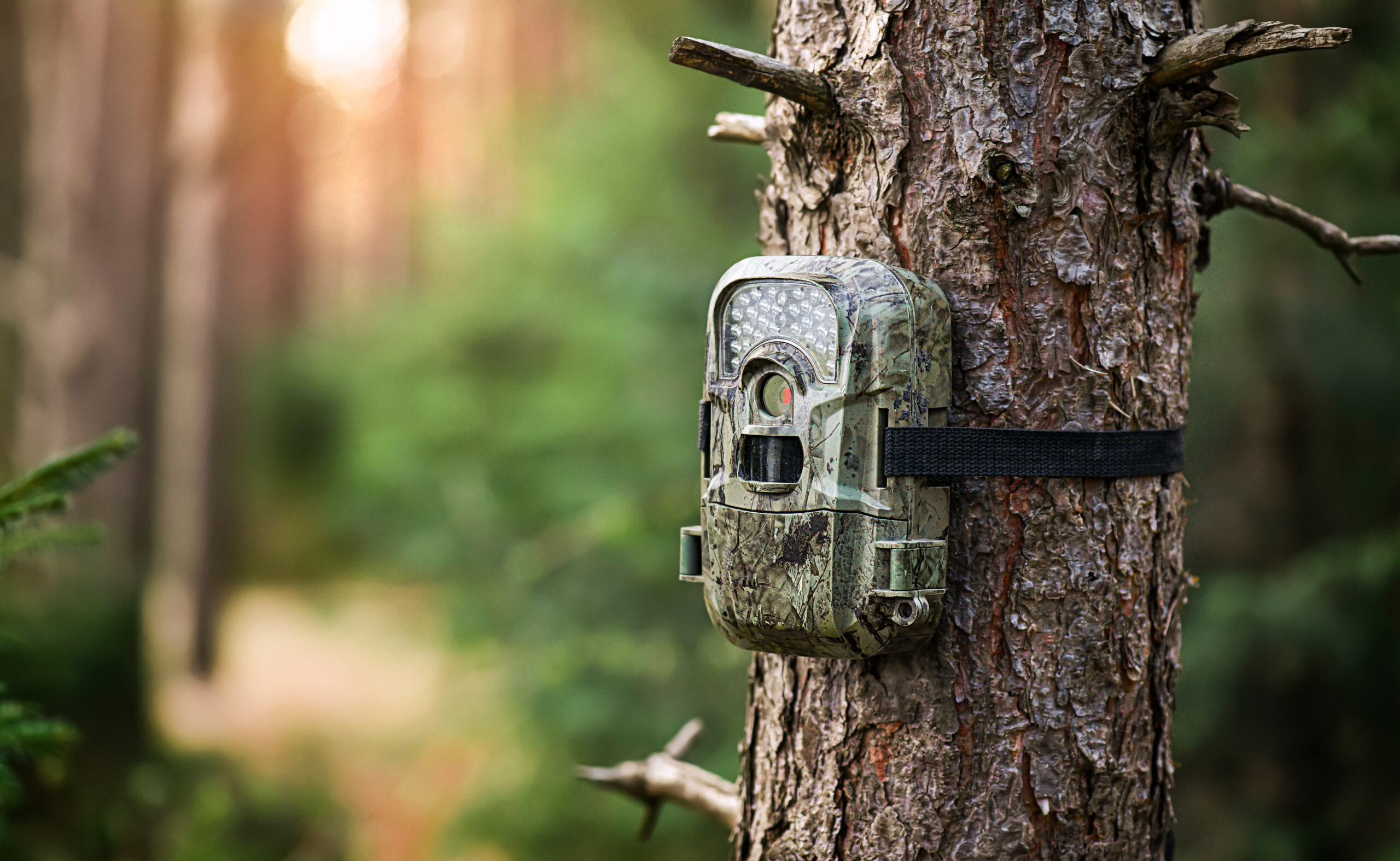
Trail camera ban states in 2025: see where cell cams are restricted or banned, plus legal updates, penalties, and alternatives. Stay legal and confident before your next hunt. The laws around cellular trail cameras are changing fast, and several states now limit when, where, and how hunters can deploy cameras or use transmitted images to aid a harvest. At Cedar Ridge Whitetails in southern Illinois, we follow every rule to the letter and help guests do the same. Consider this your straightforward guide to current trends, common restrictions, and smart ways to adapt so you can keep your adventures thrilling and above-board.
Why So Many States Are Targeting Cellular Trail Cameras
Cellular trail cameras brought a revolution to scouting. Near real-time images, instant herd insights, and targeted sits all became possible. As pressure and success rates rose, many wildlife agencies revisited the ideas of fair chase, equal access, and public-land crowding. The most common reasons for restrictions include:
- Fair chase principles: Regulators want to reduce instant, tech-driven advantages over game.
- Congestion at water sources: In dry states, too many cameras at limited water can stress wildlife and create conflicts among hunters.
- Privacy concerns: Increasing camera use on shared spaces has raised concerns from landowners and other public-land users.
- Resource enforcement: Agencies need clear rules to curb abuse and protect long-term herd health.
The result is a patchwork of rules. Some states have full bans on using cameras for hunting. Others target only cell cams, public lands, waterholes, or specific seasons. Knowing the difference is half the battle.
Trail Camera Ban States in 2025 at a Glance
Laws change. Always verify with your state wildlife agency before you set a camera or act on images. The list below summarizes big-picture trends and well-known regulations as of 2025. It is not legal advice. When in doubt, call the agency directly.
States with broad bans on using trail cameras to aid a hunt
- Arizona: Arizona has one of the strongest prohibitions in the country. Using any trail camera to take or aid in the take of wildlife is banned for hunting purposes. The goal is to reinforce fair chase and reduce crowding and conflict at water sources.
If you plan to travel for a Western deer or elk hunt, take special care with Arizona’s rules. Even non-cell cameras used only for scouting can violate the regulation if the information aids your hunt.
States with strong seasonal or situational bans
- Nevada: Nevada has detailed rules addressing cameras on public land, especially around peak hunting seasons and sensitive water sources. Restrictions often include blackout windows when camera placement and use are illegal on public lands, along with limitations on real-time transmission. Expect strict timelines and distance buffers near water. Check current Nevada dates and county-by-county specifics before deploying any device.
- Utah: Utah separates transmitting and non-transmitting camera use and limits both during big game seasons on public land. Transmitting images to guide a hunt is prohibited for long stretches of the year, and non-cell cameras are curtailed on public lands during late summer and fall. Private land has different allowances, but there are still rules about using images for compensation or guiding. Review Utah’s latest season windows and definitions each year.
States restricting real-time or same-day use of cell camera intel
- Montana: Montana prohibits the use of electronics to locate or take game in real time. If a device transmits immediate info that you use to guide a same-day hunt, expect a violation. Standard non-transmitting cameras generally remain legal for scouting when not used to direct immediate pursuit.
- New Hampshire: New Hampshire has long targeted live-action cameras. If you receive images and then use them to attempt to take or locate game within the same calendar day, you are breaking the law. Know the time windows and how the state defines “attempt to take.”
- Colorado: Colorado bars electronic communication to aid in the take of wildlife. If a cell camera is used to direct same-day movement to an animal, that falls under prohibited electronic assistance. Traditional cameras remain widely used for scouting, but real-time advantage is not allowed.
These states frame the issue around timing and intent. If the camera informs immediate action, it can be illegal, even if the camera itself is legal to place.
States banning or limiting camera placement on public lands
- Kansas: Kansas prohibits the placement of trail cameras on state-managed public lands and Walk-In Hunting Areas. Private land remains an option with permission, but do not assume any public parcel is fair game. Many citations begin with a seemingly harmless camera on a fencepost.
- Other states: Expect specific wildlife areas, refuges, or county lands to carry unique camera rules even if the broader state allows cameras. Always review unit-specific brochures and the latest area regulations.
States with labeling, privacy, and setback rules instead of bans
- Vermont: Vermont introduced rules focused on permission, identification, and considerate placement, especially near property lines and public paths. The aim is to preserve both privacy and ethical scouting without eliminating traditional cameras.
- Additional examples: Several Midwestern and Eastern states allow cameras widely on private land but restrict them in select public tracts or require owner identification. Expect differences between state forests, wildlife areas, and national forests. Read the fine print.
The theme is clear. In 2025, trail camera ban states and strict-use states fall into a few buckets: full hunting-use bans, seasonal public-land blackouts, real-time transmission bans, and public-land placement bans. Wherever you hunt, document what you plan, and match that plan against the exact regulation.
Key Definitions That Can Save You From a Ticket
Not all states define trail camera use the same way. Clarify these concepts before you scout:
- Placement vs. use: Some bans target placement on public land. Others target using images to guide a hunt. You can be legal on one and illegal on the other.
- Transmitting vs. non-transmitting: Real-time or near real-time delivery of images is often restricted. Standard SD-card cameras are generally less regulated, but not always.
- Immediate or same-day use: Several states prohibit using any electronic information to take game within the same day. If you get a noon notification and move to intercept that buck at 1 p.m., you may be breaking the law.
- Purpose of use: Some states allow cameras for research, non-hunting wildlife viewing, or security but restrict hunting use. Intent matters.
Penalties You Can Face for Illegal Camera Use
Consequences vary by state and severity, but common penalties include:
- Fines that escalate for repeat offenses
- Confiscation of cameras and equipment
- Loss of preference points or draw eligibility
- License suspension or revocation
- Possible misdemeanor charges
With trophy seasons on the line, the cost of a simple camera mistake can be painful. A 5-minute call to a game warden is worth it every time.
How to Stay Legal in Any State
- Read the current regs cover to cover: Focus on electronics, fair chase, public-land rules, and area-specific notices.
- Call the agency: Ask direct questions about cell cams, placement windows, and same-day use of images.
- Document permission: On private land, carry written permission and add your name and contact to the camera housing if the state requires labeling.
- Turn off transmissions when required: Use settings to delay sending or shut down cellular features during restricted windows.
- Avoid sensitive hotspots: If regulations target water sources or trail junctions, give them a wide buffer.
- Separate scouting from immediate action: If same-day use is illegal, build a time buffer between getting intel and making a move.
- Keep time stamps: If challenged, being able to show when an image arrived and when you hunted can help prove compliance.
Smart Alternatives When Cell Cams Are Restricted
If you are facing a trail camera ban state or a seasonal blackout, try these field-proven options:
- Boots-on-the-ground scouting: Read fresh tracks, droppings, rubs, and scrapes. Focus on edges, benches, and pinch points.
- Glassing sessions: At dawn and dusk, glass from distance to pattern movement without pressure.
- Map mastery: Use topo and satellite layers to find bedding cover, thermals, leeward ridges, and access routes that keep wind in your favor.
- Observation sits: Pick a non-intrusive stand and let the deer teach you. Adjust incrementally.
- Mock scrapes and natural sign: Encourage consistent checking points near travel corridors where legal.
- Trail timers and non-transmitting tools: In some states, a basic camera that does not transmit can be used if timing rules allow.
Ethics, Fair Chase, and the Long Game
Beyond the letter of the law, fair chase keeps hunting adventurous and honorable. If a tactic feels like an instant I-win button, pause and ask whether the opportunity still requires skill. The best hunters in trail camera ban states lean on woodsmanship, patience, and smart access. That challenge is the heartbeat of the hunt, and it is why successful days in the timber feel unforgettable.
What About Illinois and Private Preserves?
Illinois allows trail cameras on private property with the landowner’s permission, and it does not carry the same sweeping hunting-use bans you see in some Western states. That said, always confirm county or site-specific rules before placing cameras on shared properties or public parcels.
At Cedar Ridge Whitetails, a family-owned preserve in southern Illinois, cameras are used thoughtfully for herd management, age-class verification, and to plan safe, low-impact access for our guests. We hunt mature timber, pine and cedar thickets, thick draws, cornfields, and food plots. Cameras help us understand patterns while we uphold ethical standards that keep pressure low and deer relaxed. Our guides pair any camera data with boots-on-the-ground intel, so your hunt remains a true test of skill and awareness, not a tech race.
Hunting With Cedar Ridge Whitetails
Cedar Ridge Whitetails specializes in private guided hunts exclusively for your group. That means your time, your pace, your adventure. We offer trophy-class opportunities from 170–179 inches and 180–199 inches to 200 inches and above, with on-site lodging for comfort and convenience. If you prefer a hunt that blends modern scouting with fair-chase action in diverse southern Illinois habitat, our team is ready to tailor your experience.
We keep you up to speed on any regulations that might impact your scouting, whether you are flying in from a trail camera ban state or hunting locally. Before your arrival, we brief you on best practices and any rule updates. In the stand or blind, safety and ethics come first, and the goal is a heart-pounding encounter you will remember for the rest of your life.
FAQ: 2025 Cellular Trail Camera Laws and Best Practices
Are cell cams illegal everywhere now?
No. Most states still allow some form of trail camera use. The growth trend is targeted limitations: seasonal bans on public land, prohibitions on immediate use of transmitted images, waterhole protections, and placement bans in specific areas. The phrase trail camera ban states often refers to Arizona, Nevada, Utah, and jurisdictions with strong real-time restrictions like Montana and New Hampshire.
What is the difference between a ban and a restriction?
A ban usually eliminates the use of cameras for taking or aiding in the take of wildlife. Restrictions control how, when, and where you can use them. Many states restrict same-day or near real-time use without banning cameras altogether.
Can I place a non-cell camera on public land during the off-season?
Sometimes. States like Nevada and Utah have seasonal windows when even non-transmitting cameras are prohibited on public lands. Always check dates and unit-specific rules. In other states, placement is fine, but you cannot use the intel to aid same-day hunts.
What if I get an image but do not act on it that day?
In states that prohibit same-day electronic assistance, waiting until the following day can keep you legal. Keep a clear time record, and avoid any action that could be construed as immediate pursuit triggered by an alert.
Do landowners need to label cameras?
Some states require labeling or identification on cameras placed on private or shared lands. Vermont is a common example. Check your state’s privacy and posting rules.
What is the safest approach if I am unsure?
Turn off transmissions during sensitive periods, stick to non-transmitting cameras where allowed, keep a time buffer before hunting an area pictured on camera, and call your game warden with scenario-specific questions. Document permissions and follow site-specific rules for public parcels.
Your Next Move: Plan the Hunt and Stay Legal
Trail camera ban states do not have to kill your momentum. They simply shift the challenge back to the fundamentals that make whitetail hunting so addictive. When cameras are limited, glass longer, scout smarter, and refine access. When cameras are legal, use them ethically and avoid real-time shortcuts that could land you in hot water.
If you want a guided hunt where ethics and excitement run side by side, Cedar Ridge Whitetails is the place. Our private preserve in southern Illinois offers diverse habitat, seasoned guides, and trophy-caliber whitetails. We tailor each hunt to your goals, and we keep you updated on the rules that matter. Book your dates, pack your gear, and come chase the kind of deer that make lifelong stories. The timber is calling.
Before you hit the road, verify your target state’s 2025 regulations, especially if it appears on any list of trail camera ban states. With a little prep and the right plan, you can hunt legally, hunt hard, and hunt with confidence.
Leave A Comment