

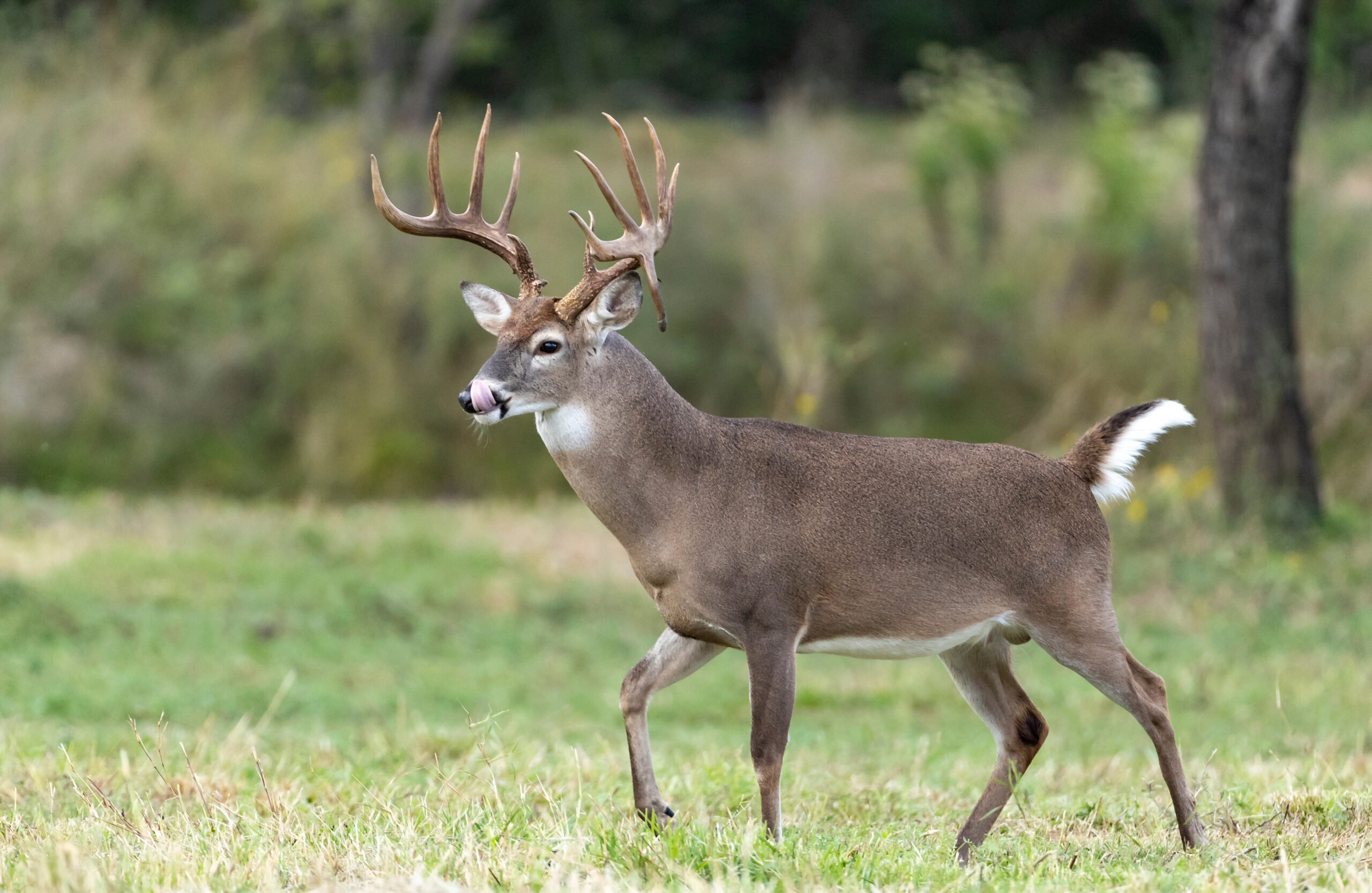
The Moment Of Truth In Trophy Whitetail Hunting
Heart pounding. Knees shaking. Your arrow disappears behind a shoulder and the buck bounds off. Every hunter knows the electric rush. What comes next can make or break your hunt. Trophy whitetail hunting success starts with smart blood trailing. Knowing when to push and when to wait can be the difference between a high five at the truck and a long ride home wondering what went wrong. At Cedar Ridge Whitetails in southern Illinois, our guides teach hunters to read sign, trust the timeline, and make patient decisions that bring more deer to hand. This guide breaks down the art of blood trailing so you can boost your recovery odds and protect your trophy opportunity.
Read The Shot Before You Leave The Stand
Watch The Buck
What a buck does in the first five seconds after the shot tells a powerful story. A mule kick with a hard run often points to a heart or lower chest hit. A hunched back and slow, tail-tucked trot usually signals a liver or gut shot. A stumble or short, crashing sprint can indicate a double lung. If the deer looks back at the impact site, it may be hit high or in muscle. Keep your eyes on the deer for as long as you can. Note the last place you saw it and any bedding or thick cover it chose as it left.
Listen And Mark
Sound is a key clue. A hard crash can mean a quick expiration. Repeated coughing can suggest lung involvement. Use quiet focus and listen all the way until the woods go still. Mark the last sight and sound with a mental picture, then pick two fixed landmarks in line with that spot. When you climb down, walk to your first landmark and recheck the second. This straight line keeps your approach from blowing through the blood trail.
Arrow And Impact Sign
When safe, examine the arrow and the impact site. The shaft and the immediate sign often reveal the hit location, which guides your next move.
- Bright red, bubbly blood often points to lungs. A double lung hit is usually fatal within minutes.
- Dark, maroon blood with little froth often indicates a liver hit. This can be quickly fatal if you give it time.
- Green or brown fluid, food bits, and a sour smell mean a gut hit. Patience is critical.
- Thin, watery blood with white hair often comes from a low brisket or muscle hit. These injuries bleed early but can clot fast.
- Light, short hair at the site can indicate a low cut. Long, hollow guard hair can suggest a high back graze.
- Tallow or greasy residue on the arrow can indicate a non-vital hit through heavy fat.
When To Track Right Away
Sometimes going now is the right call. If you have strong lung or heart evidence, the recovery window is short and the deer is often down within a few hundred yards. Moving in a controlled way protects the trail and prevents coyotes and weather from stealing your sign.
- Heavy blood that starts right at impact and continues with big drops or spray is a green light to track within 30 to 90 minutes.
- Frothy blood or obvious double lung sign often means a quick finish. Give it a short wait, then follow carefully.
- A crash followed by silence is a good indicator. Wait 20 to 30 minutes to be safe, then go with care.
When you choose to track, keep the group small. One primary tracker looks for sign, one person stays back and marks blood with flagging or small pieces of toilet paper. Walk slowly. Do not pass the last blood until you find the next. If the trail weakens, stop and reassess. Often a mortally hit buck will take a straight line to the nearest cover or a downhill escape path. In the varied terrain at Cedar Ridge Whitetails, that might be a cedar thicket, a deep draw, or the shaded side of a ridge.
When To Back Out
Patience is the smartest move on many hits. A deer that is liver or gut shot needs time to bed and expire. Pushing too soon can send it far beyond your reach. Backing out feels hard in the moment, but it is the call that saves more bucks than any other.
- Liver sign calls for a four to six hour wait. If evening shot, consider returning late night if temperatures allow or at first light with a tight approach.
- Gut sign means a longer wait. Eight to twelve hours is a common window. Overnight often works best if cool enough for meat care.
- Muscle hits require strategy. Give it a couple of hours to settle, then search slowly near water and shade. Many muscle-hit deer bed close if not pressured.
- High shoulder or one-lung hits can be difficult. Waiting six to eight hours can help, then approach with a grid search in thick cover and near travel corridors.
There are exceptions. If a hard rain is minutes away or coyotes are active, you may weigh a cautious early track. Mark every drop and move like a ghost. If you jump the buck and it runs strong, back out again and extend your wait time. Pushing a marginal hit is the most common way to lose a deer that was recoverable.
A Practical Timing Guide
- First 15 minutes: Breathe, replay the shot, watch and listen. Note landmarks. Send a text to your hunting partner or guide with your observations.
- At 20 to 30 minutes: Check the arrow and impact site. Record photos of blood, hair, and tracks. Decide based on sign.
- Lungs or heart suspected: Track carefully after 30 to 90 minutes. Use two people, mark every sign, and slow down as blood thins.
- Liver suspected: Wait 4 to 6 hours. Approach with wind in your favor and slip quietly to last blood. Be ready for one short bump, then back out another hour if needed.
- Gut suspected: Wait 8 to 12 hours. Start at first light if temps overnight are above forty degrees. If it is cool, longer is often better.
- Muscle or non-vital: Wait 2 to 4 hours, then focus on water, shade, and slow recovery routes. Prepare for a long, methodical grid.
- Weather and coyotes: If rain threatens to erase sign or coyotes are thick, track sooner but with extreme care. If you bump the buck, leave and extend your wait window.
How To Trail Smarter
Essential Gear For The Track
- Headlamp or flashlight with fresh batteries and a dim setting
- Flagging tape or biodegradable tissue for marking sign
- GPS or mapping app to drop pins on last blood
- Latex or nitrile gloves and paper towels for arrow inspection
- Kneepads or a small pad to get low and spot blood on leaves
- Rangefinder or compass to keep lines from last sight to last blood
- Backup light and a small first aid kit
- Quiet boots and clothing for silent movement
Walk Like A Predator, Not A Herd
Move with slow purpose. Stay off the trail edges to avoid stepping on blood or tracks. Keep voices low and avoid shining lights far ahead at night. Look beyond your feet. Scan for the shape of a deer, a white belly, or the black line of a back against grass. Read every leaf. A single pin drop of blood on the top of a blade can reveal the direction of travel. If sign vanishes, circle back to last blood and search in small half circles, then larger ones.
The Grid Search That Finds The Deer
- Start at last blood and mark it clearly.
- Search the direction of travel in 10 to 20 yard arcs.
- If no new sign, grid in straight lines left to right, then right to left, spacing 10 yards between lines.
- Focus on likely bedding: north facing slopes, cedar and pine thickets, benches just off ridge tops, and the heads of thick draws.
- Check water sources, creek bends, and shaded edges of cornfields or food plots.
- Always return to last confirmed blood if you overrun the trail. Never guess too far without proof.
Weather, Predators, And Terrain In Southern Illinois
Southern Illinois is a mix of hardwood ridges, cedar and pine thickets, brushy draws, and rich ag fields. That diversity shapes the way a wounded buck travels. In the mature timber at Cedar Ridge Whitetails, expect deer to angle to benches just below the crest of ridges. In thick draws and cedar cover, they often bed quickly with the wind at their back. In cornfields and food plots, they may hug edges and slip into the closest patch of cover. Rain can wash away light sign on dry leaves, and a light snow can highlight a trail but also mask tiny drops with white glare. Coyotes are part of the landscape. Keep your crew small and quiet to reach a mortally hit buck before scavengers do. The guides at Cedar Ridge Whitetails know how deer use these habitats. Lean on their experience to decide when to back out and when to press forward.
Common Mistakes That Cost Recoveries
- Climbing down too soon and bumping the buck from its first bed
- Marching straight to the impact site without marking last sight
- Bringing a crowd that tramples sign and adds noise
- Moving past last blood without finding the next drop
- Assuming a lack of blood means a miss
- Forgetting to look on the sides of trails, logs, and leaves above ground level
- Tracking with the wind at your back and alerting a wounded deer
- Skipping water and low shade in warm weather
- Giving up too soon when a grid search or a call to a tracking team could save the day
Ethical Calls And Useful Help
Every arrow loosed comes with a duty to recover. That duty starts with smart shot selection, but it often ends with wise tracking. If your state allows trained tracking dogs, they can be a game changer on thin blood, rain-soaked trails, or one-lung hits. Always check local laws and preserve rules. On a guided hunt at Cedar Ridge Whitetails, your professional guide will help call the shot, read the sign, and decide the right timing. Ethics also mean respecting meat care. In warm weather, shorten wait times when sign allows and move with extra caution. In cold weather, patience becomes your best tool.
Why Hunt With Cedar Ridge Whitetails
Cedar Ridge Whitetails is a family-owned hunting preserve in scenic southern Illinois dedicated to unforgettable trophy whitetail hunting. The reserve blends mature timber, pine and cedar thickets, thick draws, cornfields, and food plots. That mix creates ideal deer habitat and consistent opportunities. Every hunt is private to your group, which means focused attention and a pace that fits your style. Whether you dream of a 170 to 179 inch buck, a 180 to 199 inch brute, or a giant 200 inches and above, our trophy classes help match you to the experience you want. On-site lodging keeps you close to the action and comfortable between sits. The Cedar Ridge Whitetails team lives for those gripping moments when a buck steps into range and for the careful, methodical work that follows a shot. We guide you through the full process, from stand choice to blood trailing strategy, so your odds of recovery soar. If you value a personal, high-energy hunt in a setting built for whitetails, you will feel right at home here.
Pro Tips From The Cedar Ridge Whitetails Guides
We see hundreds of blood trails each season. A few small habits push the odds in your favor. First, make a habit of glassing the direction the deer traveled before you climb down. Often you can pick out the exact opening it used and save time. Second, take photos of each blood spot and pin its location on your map app. You will see the trail line and predict the next move. Third, in cedar and pine thickets, aim your grid lines a little shorter. The needles can hide tiny drops and belly hair, and you will need tighter coverage. Fourth, when in doubt, sit down for ten quiet minutes and replay the chain of sign. The best answer often shows up when you slow your mind. These are the small edges that turn thin trails into grip-and-grin endings.
Final Take: Decide Right, Recover More
Blood trailing is part science, part patience, and part woodsmanship. Read the shot. Match the sign to the right timeline. When the evidence says go, track with care. When the sign says wait, back out and let the deer lay down. In trophy whitetail hunting, cool decisions after the shot are as important as steady aim before it. If you want a team that treats every track like a mission, come hunt with Cedar Ridge Whitetails. Our private guided hunts, trophy-class targets, and comfortable lodging create the perfect stage for your next adventure. Book your southern Illinois hunt, learn when to back out and when to track, and give yourself the best chance of wrapping your tag around the antlers you came for.
Leave A Comment