

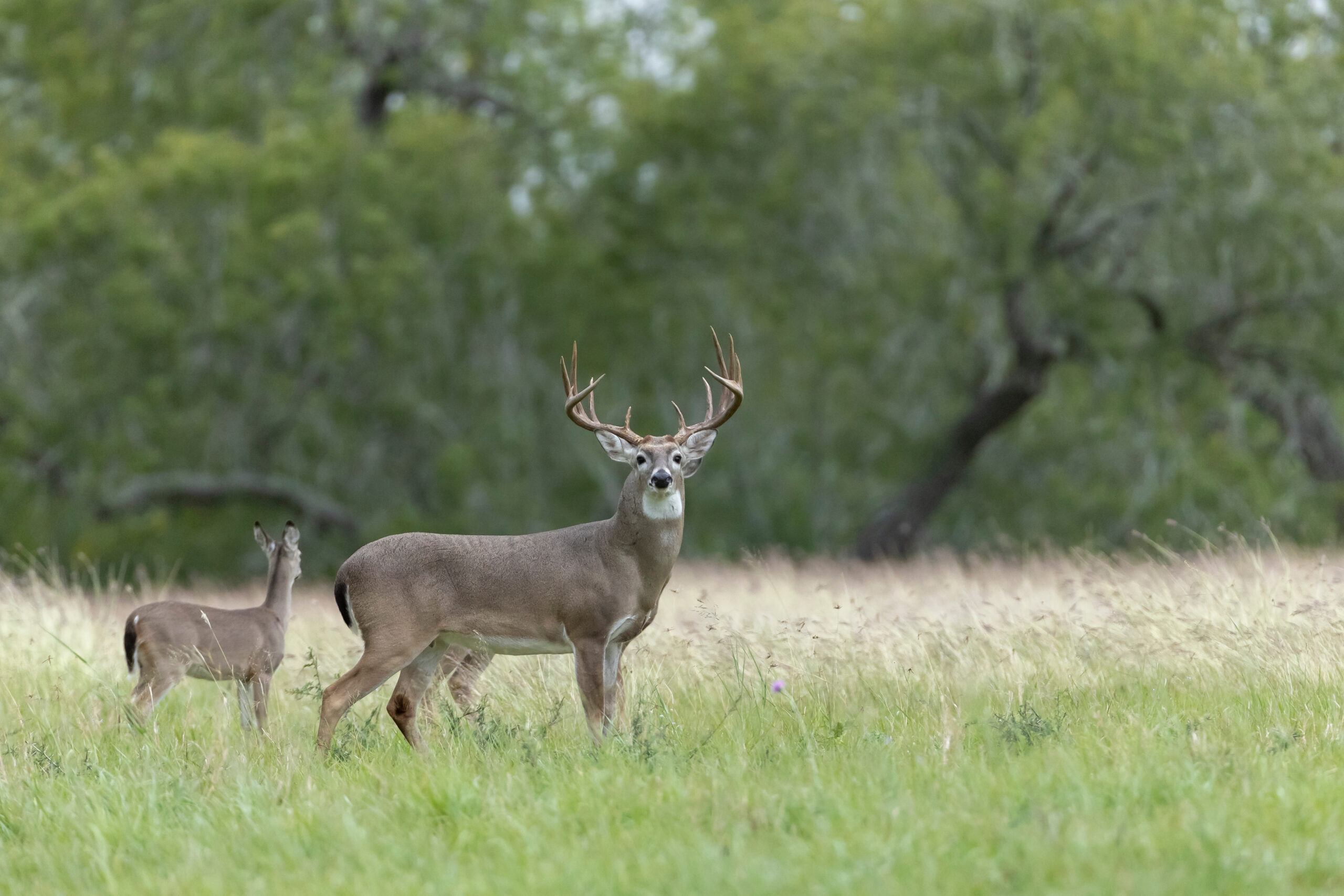
The Short Answer: Distance Whitetails Can Detect Human Scent
How far can a deer smell you? The honest answer is farther than most hunters want to believe. In open air with a steady breeze, an alert whitetail can pick up human scent from a quarter mile or more. In thick cover with tangled wind and humidity swings, detection might drop to 100 to 300 yards. On a damp, cool morning with light wind and stable thermals, your scent can flow like a river and reach a mile if the terrain and air density align. These numbers are not guarantees. They are field tested estimates that change with wind speed, temperature, humidity, terrain, and how much human odor you are leaking into the air. At Cedar Ridge Whitetails in southern Illinois, we see it play out daily across mature timber, cedar thickets, and food plots. On crisp, calm days, deer can scent you far downwind even if you never make a sound. On blustery afternoons, swirling gusts can carry trace odors all around a stand and betray you to a doe you never saw. The bottom line is this. If you hunt whitetails, you are hunting noses. The more you understand air, the longer you stay invisible.
Why Whitetails Smell So Well
The Power of the Nose
Whitetail deer are scent driven animals with a nose built to survive. Their nasal cavity houses hundreds of millions of scent receptors and a large portion of their brain is dedicated to processing odor. That gives them the ability to separate the scent of a human from soil, pine sap, corn pollen, and damp leaves all at once. They also use a specialized vomeronasal organ, often called Jacobson’s organ, to decode complex scent signals. Bucks read hormone cues. Does track fawn scent. Every deer builds a mental map of safe and unsafe odors. If your scent enters that map from the wrong direction, they leave. Fast.
The Scent Cone
Think of your odor as a cone trailing downwind. Close to your body the cone is narrow and strong. As it drifts, it widens and thins, but it also bends over hills, rolls through draws, and clings to cool air pockets. Deer do not need a heavy dose to react. A faint trace can trigger caution. A strong hit can flip a switch to alarm. Understanding your scent cone, then shaping it with smart stand placement, is the core of every undetected sit at Cedar Ridge Whitetails.
Wind, Weather, and Terrain: The Big Variables
Wind Speed and Direction
Wind powers the scent cone. A 5 to 10 mile per hour steady breeze creates a predictable stream of odor. That can be a good thing if you position your stand so that your cone drifts into places deer do not travel. Gusty wind causes turbulence and eddies. Your scent swirls and doubles back. Even if you set up downwind, a swirl might wrap your scent into a bedding pocket or a likely approach trail. High winds also boost mixing in the air. That can dilute human odor, but it reaches more angles. In short, steady wind favors planned setups. Swirling wind punishes sloppy planning.
Thermals and Temperature
Thermals are daily air currents caused by temperature. Mornings start with cool air sinking. Even with a light wind, your scent tends to flow downhill. Around midmorning, ground temperatures rise and air lifts. Now your odor rides uphill, often well above the visible terrain. Even gentle thermals can carry scent farther than a light breeze. On calm, cool evenings, sinking air can drop your scent into trails along creek bottoms and deep draws. If you hunt hilly ground or timbered ridges, thermals matter as much as wind direction.
Humidity and Precipitation
Moist air holds scent with more stability. Light humidity can help odors stick to foliage and the forest floor, extending detectable range for a deer’s nose. A light mist or drizzle often spreads human scent downwind as a uniform stream. Heavy rain knocks scent down and masks it with background odor, but you will leave a stronger ground trail when you move. Cold, dry air tends to sharpen scent definition close by but sometimes shortens overall reach. Each change shifts the effective answer to how far can a deer smell you.
Terrain Features at Cedar Ridge Whitetails
Different landscapes sculpt scent in different ways. At Cedar Ridge Whitetails, we build hunts around habitat specific wind behavior so your scent cone goes where deer are not. Here are common areas we manage and how your odor might behave in each.
- Mature timber: Steady breezes move well through open trunks, but small ridges form rolling eddies. Morning thermals drop scent into low hollows. Afternoon lift can carry scent over trails that look upwind on a map.
- Pine and cedar thickets: Dense needles slow wind and trap odor. Your scent lingers longer and layers at varying heights. A deer nosing along the edge can hit your cone even if it looks crosswind.
- Thick draws: Think funnel. Air drifts downhill and concentrates scent at the bottom, especially at first light and last light. A single puff can warn multiple deer traveling the same draw.
- Cornfields and food plots: Open areas create clean wind lanes, but edges swirl. On warm afternoons, rising air lifts scent above the field and sends it toward timber edges. At sunset, sinking air pulls odor into low spots.
Human Scent Sources You Might Miss
You can shower and still leak odor. Human scent is not a single smell. It is a cloud made from many sources.
- Breath: The sharp human odor carries well, especially in cool air. Consider a face covering to filter and redirect.
- Skin bacteria: Even after washing, bacteria on skin and hair produce constant scent.
- Clothing: Laundry detergents, dryer sheets, and household smells stick to fabric. So does campfire smoke and vehicle exhaust.
- Boots and socks: Sweat and leather odor collect in boots. Each step pumps warm scent into the air.
- Gear: Backpacks, safety harnesses, slings, and seat cushions absorb car, garage, and food odors.
- Food and drinks: Coffee, jerky, candy, and flavored drinks all broadcast distinctive smells.
- Fuel and chemicals: Gasoline, insect repellent, lubricants, and cleaning solvents carry far.
- Pets: Dog and cat hair on clothes is a red flag in pressured areas.
Scent Control: What Works and What Does Not
The Fundamentals Come First
No product erases your presence. The strongest defense is wind literacy. Position your stand so your scent cone drifts into a place deer avoid. Keep approach and exit routes that do not blow scent into bedding or high traffic trails. Plan for thermals that will switch on midmorning and again near sunset. At Cedar Ridge Whitetails, our guides scout with wind and thermals in mind. We place stands and blinds where your scent has a safe place to go while deer move naturally.
A Layered Scent Control Routine
A smart routine reduces odor and buys you margin when conditions shift. Here is a practical system that works in real woods.
- Personal wash: Use unscented soap and shampoo before each hunt. Focus on hair, beard, and armpits where bacteria thrive.
- Breath management: Avoid strong foods before the hunt. Use water or a mild, unscented mask to temper breath in cold air.
- Clothing prep: Wash hunting garments in unscented detergent, then air dry outside or in a clean space. Store in a sealed tote with dry leaves or dirt from your hunting area to season the fabric.
- Field dressing: Get dressed at the truck or lodge, not at home. Keep clean layers sealed until you arrive.
- Boot protocol: Wear camp shoes while driving. Put on boots at the hunt site. Spray soles with a mild, scent reducing spray if you use one.
- Gear wipe-down: Quickly wipe hard surfaces with unscented wipes. Avoid heavy perfumes on anything.
- Ozone or carbon: Ozone units and activated carbon clothing can reduce certain odors. Treat them as supplements, not magic shields.
- Exit discipline: After the hunt, seal clothing again. Do not pump gas or cook bacon while wearing your hunting layers.
Myths and Facts
- Myth: A single spray makes you invisible. Fact: Sprays help reduce surface odor for a short time, but wind control still rules.
- Myth: Cover scents fool deer. Fact: They can mask mild odor and slow recognition, but a strong human cone still triggers alarm.
- Myth: Cold kills scent. Fact: Cold changes air density and flow. Deer still smell you, often at long range on calm cold days.
- Myth: Smoke wipes human odor. Fact: Smoke adds another odor. It may confuse some deer, but experienced whitetails often sort it out.
Hunting Strategies to Beat the Nose at Cedar Ridge Whitetails
Stand Placement by Habitat
In mature timber at Cedar Ridge Whitetails, we favor leeward edges where the wind slips over a ridge and your cone sails into a dead zone. In cedar thickets, we hang stands on the downwind edge with a crosswind that pushes your scent into dense cover deer avoid during daylight. Along cornfields and food plots, we set ambushes where your scent drifts over open ground and away from the evening trail network. Planning these micro wind lanes is a signature of our guided hunts.
Approach and Exit Without Blowing the Woods
Never walk across the main trail system. Use creeks, field edges, and low ground so your approach scent falls where deer are less likely to travel. Morning sits demand routes that do not drop scent into known bedding. Evening exits matter just as much. If you blow deer off a food source at last light, you train them to arrive later or circle downwind the next time. Our guides at Cedar Ridge Whitetails build approach and exit maps, so you move like a ghost and leave the area as you found it.
Rut and All-Day Sits
During the rut, bucks cover ground and test the wind constantly. This increases the chance that a cruising buck sweeps downwind of your stand. Choose setups where your scent cone pours into terrain that discourages travel. Small ponds, steep cuts, and open gaps can be allies. If you plan an all-day sit, prepare for the thermal switch. How far can a deer smell you at midday compared to dawn? Often farther as warming air lifts your scent higher and carries it above ridges. Read the sun and adjust if needed.
Early Season vs Late Season
Early season warmth makes human scent rise, which can carry it over brush and into distant timber if wind is light. Late season cold keeps scent lower and can concentrate it in bottoms. Both can expose you. Adjust height and placement. In heat, hunt slightly lower on leeward sides so your cone clears movement routes. In cold, use side winds to push scent across openings rather than down main trails.
Realistic Scenarios: How Far Can a Deer Smell You Today?
Bluebird Afternoon, 10 mph Wind, Low Humidity
Expect a defined scent cone with moderate reach. In open ground, a whitetail might key on you at 400 to 600 yards downwind. In timber, expect 200 to 400 yards, with swirls near ridges. Use the wind lane to your advantage by aiming your cone into a barren pasture or a steep cut.
Damp Morning, Light Breeze, Stable Thermals
This is a high risk, high reward window. Moist air carries your scent smoothly, and sinking air concentrates it in low ground. A bedded deer in a draw could smell you from half a mile if your cone feeds downhill for hours. Position above likely travel routes so your scent falls into a no deer zone.
Light Drizzle, Variable Wind
Drizzle spreads scent and reduces noise. Deer move more in daylight. Variable wind, though, means your odor can touch many directions at short range. Expect detection at 100 to 300 yards in the woods and plan tight shot windows. Keep your cone off the heaviest trails and accept that you must see them before they hit your scent.
Gear Checklist for Scent-Savvy Hunts
- Unscented body and hair wash
- Unscented detergent and storage tote
- Dedicated hunting boots and camp shoes
- Lightweight face covering for breath control
- Unscented field wipes for gear
- Wind checker powder or thread
- Mapping app with wind and terrain layers
- Ozone or carbon tools if you prefer a layered approach
- Quiet outerwear that does not hold household odors
- Minimal food, water in neutral containers, no flavored drinks
The Cedar Ridge Whitetails Advantage
Cedar Ridge Whitetails is a family-owned hunting preserve in scenic southern Illinois. Our land holds mature timber, pine and cedar thickets, thick draws, cornfields, and food plots. That mix creates a perfect classroom for understanding how scent moves and how to set up with confidence. Each hunt here is private to your group. You get a guide who studies wind behavior in each habitat and positions you to keep your scent cone off the main travel routes. Whether you are targeting a 170 to 179 inch buck, stepping up to the 180 to 199 inch class, or chasing a giant 200 and above, our team tailors your stands and blinds to the day’s wind, humidity, and thermal forecast. On-site lodging keeps your routine dialed. Wash, store, and prep without exposing clothing to random odors. Our guides help you plan approach and exit routes and coach you on when to hold or move as thermals shift. We want you to feel the thrill of a mature buck slipping in without a hint of alarm. That happens when your setup fits the air like a glove. When we talk with guests about how far can a deer smell you, we do more than share numbers. We walk the wind with you and prove it in the field.
FAQ: Quick Hits on Deer Smell
Can deer smell through cover scents and attractants?
Deer can detect cover scents and your odor at the same time. Attractants might hold some deer’s attention, but mature whitetails will still key on human odor if the cone reaches them.
Do ozone and carbon suits make me scent-free?
No. They can reduce odor and buy you seconds or yards. Use them as part of a larger wind-first strategy. At Cedar Ridge Whitetails we use wind placement and thermals as our core plan and layer technology on top.
Does chewing gum or coffee hurt my chances?
Both add detectable odors. Outdoors, breath disperses quickly, but in still air it can travel far. If you use either, manage breath with a light face covering and avoid strong flavors.
How far downwind can a deer smell me in thick timber?
On a humid, calm morning, 300 to 500 yards is realistic. In swirling wind, detection might happen at shorter ranges from multiple angles. In dry, breezy conditions, detection often sits under 300 yards but can spike in open pockets.
Can rain hide my scent?
Heavy rain can suppress airborne odor and noise, making movement easier. Light rain or mist often spreads scent more evenly and farther. Your ground trail will also be stronger, so mind your approach.
Final Thoughts
The question how far can a deer smell you does not have one fixed number. It is a moving target formed by wind, thermals, humidity, and terrain, plus your scent control choices. Think in terms of your scent cone and where it goes. Plan stands so that cone flows into places deer avoid. Strip extra odor from your breath, skin, clothing, boots, and gear to extend your margin for error. At Cedar Ridge Whitetails in southern Illinois, we live this every day. Our private guided hunts, tailored to trophy classes from 170 inches to 200 and above, are built around wind mastery and stealthy access. With comfortable on-site lodging and a team dedicated to thrilling, ethical encounters, you can focus on the moment a heavy-racked whitetail steps into range, head high, nose calm. When you are ready to hunt smarter, not harder, step into the wind with Cedar Ridge Whitetails and experience what an undetected sit really feels like.
Leave A Comment