

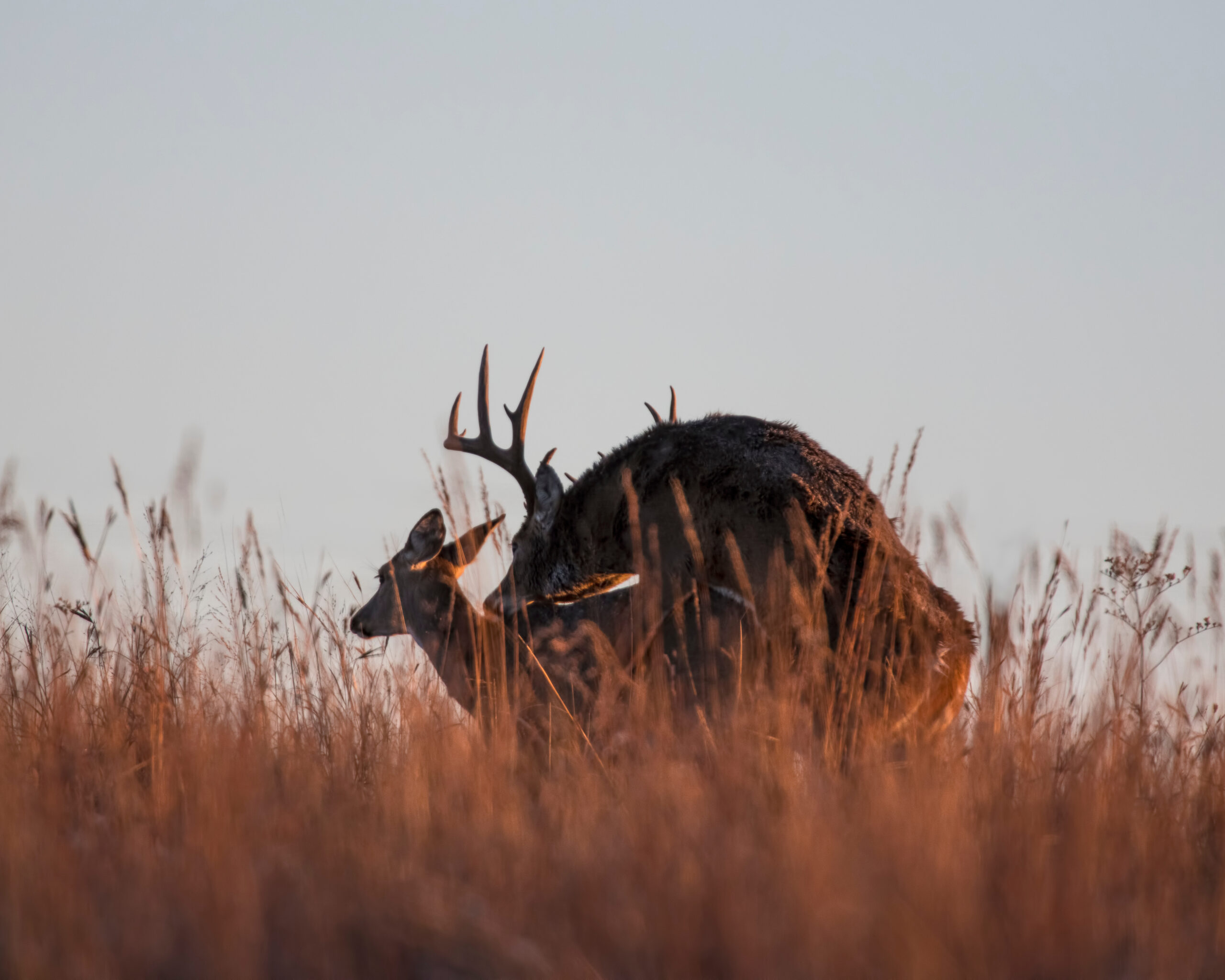
Whitetail rut phases explained simply so you can hunt smarter, react faster, and make every sit count. Learn the signs, timing, and tactics for each stage with quick tips and a clear plan you can use today. At Cedar Ridge Whitetails in southern Illinois, these tactics come alive in mature timber, cedar thickets, thick draws, and food plots that stack the odds in your favor.
What Are the Whitetail Rut Phases?
The rut is the whitetail breeding season. Bucks shift from food-first habits to travel, search, and breeding behavior as daylight changes and does come into estrus. If you understand the whitetail rut phases, you can predict where deer move and when to strike. Each phase has a vibe. Pre-rut is quiet but building. Seeking is restless. Chasing is chaotic. Tending is tight and hidden. Then a post-rut cooldown sets in with a possible second surge. Knowing which phase you are in tells you how aggressive to be and where to set up.
In southern Illinois, the full cycle often runs from mid October into December, with a smaller second bump in early winter. Weather can speed or slow activity, but the biological clock keeps ticking. Cedar Ridge Whitetails guides watch the sign every day across our private reserve to pinpoint the phase and put you in the right spot.
Simple Timeline for Southern Illinois
- Pre-rut: mid to late October
- Seeking: late October into early November
- Chasing: early to mid November
- Tending or lockdown: mid November
- Post-rut: late November into early December
- Secondary rut: mid December, if unbred does or late-cycling yearlings come into estrus
Phase by Phase Guide to the Whitetail Rut Phases
Pre-Rut: Sign Explodes and Patterns Shift
Pre-rut is the spark. Bucks start laying down rubs, freshening scrapes, and widening home ranges. They still feed, but testosterone rises and daylight triggers more daylight movement. You will notice new rub lines on the edge of bedding cover and scrapes under low-hanging branches near travel routes. This is a high-odds time to pattern a mature buck as he gets sloppy for the first time since summer.
At Cedar Ridge Whitetails, pre-rut sits along pine and cedar thickets that touch cornfields can be electric, with daylight rub-making and early cruising. Our guides often stash hunters on the downwind side of thick draws where bucks scent-check the wind for the first receptive does.
- Best spots: community scrapes near field edges, downwind of bedding, pinch points along timbered ridges
- Best tactics: mock scrapes with a fresh licking branch, subtle rattling, soft grunts, doe bleats
- Pro tip: sit longer than normal. Many pre-rut giants move after the first hour of daylight and before last light
Seeking: Lanes Light Up With Daytime Movement
The seeking phase brings restlessness. Bucks cover ground and hit scrapes at odd hours. They angle from bedding to bedding, checking trails used by family groups of does. This is a classic phase to catch a mature buck on his feet at 10 a.m. or 2 p.m. Seeing a buck you have never photographed is common now.
On the Cedar Ridge Whitetails reserve, the seeking phase shines in narrow travel corridors. Our property’s thick draws connect bedding pockets to food plots and cornfields, and bucks will cruise those lines with the wind in their nose.
- Best spots: inside corners of fields, creek crossings, saddles, and terrain funnels that link doe bedding to food
- Best tactics: all-day sits, light to moderate rattling, directional grunts to turn a cruiser, scent drags to your stand
- Pro tip: play the wind with precision. A cruising buck trusts his nose more than his eyes now
Chasing: Controlled Chaos and Fast Decisions
The chasing phase is loud, visible, and quick. Bucks chase does in the open and crash through brush. Young bucks push hard, while mature bucks swing the edges and check for the real deal. This is the time to be aggressive with your time. If you can sit dawn to dark, do it. Action can break loose fast, then vanish just as quickly.
At Cedar Ridge Whitetails, we sit stands that see multiple trails at once. A food plot with three timber entries, for example, lets you catch circles and loops as bucks dog a doe and then circle back downwind.
- Best spots: the downwind side of doe bedding, staging areas near food, hub funnels where three or more trails meet
- Best tactics: rattling sequences, snort wheeze if a mature buck postures, brisk grunt series, decoy setups on field edges
- Pro tip: do not overcall. Start subtle and read the deer. If he bristles and cuts your direction, let your setup do the rest
Tending or Lockdown: Patience in the Thick Stuff
Once does hit peak estrus, the biggest bucks lock down with a single doe in heavy cover. It can feel slow, yet this is when some of the best bucks fall. Movement shrinks but becomes predictable. Bucks will bed close to the doe and rise to push her only a short distance. The trick is to get as close as possible without blowing out the pair.
Our guides at Cedar Ridge Whitetails key on secluded cedar thickets and the edges of thick draws. They move clients into stands within 100 to 150 yards of known doe bedding with careful entry routes and strict scent control.
- Best spots: micro clearings inside cover, faint trails just off bedding edges, hidden benches in mature timber
- Best tactics: minimal calling, quiet sits, let scent pools work downwind without overdoing it, short window ambushes
- Pro tip: stay put longer after midmorning. Locked-down bucks often nudge does at midday, giving you a quick shot
Peak Breeding: Windows Open and Close Fast
As many does enter estrus, buck movement looks random. Some hours feel dead, then a hot doe drags two bucks right under your tree. This is a time to trust high-odds stands and accept the lulls. Keep your head in the game. One minute can change your season.
Cedar Ridge Whitetails hunters do well on travel edges between two doe bedding areas. Bucks will bounce from one group to the next and cut across cover where they feel secure. Our diverse habitat lets you pick an edge that fits the wind and your comfort level for a long sit.
- Best spots: edge habitat with cover on both sides, creek-bottom trails, leeward ridges with thermal advantage
- Best tactics: all-day sits, soft contact grunts, stay scent-free, do not climb down at lunch if sign is fresh
- Pro tip: bring quiet snacks and extra layers to eliminate excuses to leave. The buck does not care that you are hungry
Post-Rut: Food and Recovery Drive Movement
After the peak, bucks are worn down. They need calories and safe bedding. Daylight activity drops, but cold fronts and stable high pressure can trigger great evening hunts over food. The deer you saw chasing two weeks ago might now slip along the edge of a cornfield with caution.
On the Cedar Ridge Whitetails property, post-rut hunts near standing corn, brassica plots, or cut bean edges can produce. We move quietly, glass more, and strike when a pattern forms.
- Best spots: food plot corners, the first trail off bedding that leads to groceries, thermal cover on north slopes
- Best tactics: evening ambush, low-impact entry and exit, light calling at most
- Pro tip: use cameras to find a comeback pattern. One photo on two consecutive days often signals a tight loop you can hunt
Secondary Rut: Last Chance Surge
If some does were not bred or yearling does cycle later, a smaller second rut flickers on. It is shorter and often more focused near food and warm bedding. Cold snaps can kick it off. You may see a mature buck check the downwind side of a food plot at last light.
We watch weather and doe groups at Cedar Ridge Whitetails to call the surge. When it hits, we hunt the windward edge of food with a downwind exit to protect our spots for the next day.
- Best spots: food sources close to cover, pinch points between two winter bedding zones, leeward trails
- Best tactics: evening sits, soft calling, decoy only if visibility is good and wind is steady
- Pro tip: dress warm and hunt the front. Low temps push deer to feed earlier
How to Read Rut Sign Fast
You can confirm the phase with a quick sign check. Here is what to look for and how to react.
- Fresh rub lines that increase daily: pre-rut ramping up
- Scrapes reopened after rain and tracks of several sizes: seeking and night activity spilling into daylight
- Does running with tongues out and bucks circling with noses down: chasing in full swing
- Big tracks near a single bed and churned leaves in thick cover: tending or lockdown close by
- Heavy trails pointing to food with little fresh rut sign: post-rut recovery
Calling, Scents, and Decoys by Phase
Tools work best when matched to the phase. Keep it simple and purposeful.
- Pre-rut: soft grunts and short rattling. A fresh mock scrape with real branches boosts daylight checks
- Seeking: moderate rattling midday, contact grunts to pull cruisers, scent drag to your stand
- Chasing: louder rattling on calm days, snort wheeze only for dominant bucks, buck-dominant scent near a decoy
- Tending: minimal calling. A single grunt can make a bedded buck stand up for a look
- Post-rut: light grunts at most. Focus on entry, wind, and food instead
- Secondary rut: doe bleats near food, light rattling on cold afternoons
Gear and Setup Essentials
- Wind-first mindset: pick a stand for the wind you have, not the wind you wish for
- Quiet layers: cold sits need warmth without bulk or noise
- Safe access: trim silent entry routes well before your hunt
- Persistent sits: a comfortable seat and snacks extend your time on stand
- Simple calls: grunt tube and rattling antlers or a packable rattle bag
- Scent control: wash, store, and dress in the field. Do not overuse attractants
- Optics: quality binoculars to spot edges of movement in thick cover
Common Mistakes to Avoid
- Overcalling when deer are close
- Sitting the wrong wind out of stubbornness
- Quitting midday during the seeking and chasing phases
- Hunting field edges only when lockdown calls for thicker setups
- Ignoring quiet sign like a single huge track within 100 yards of bedding
Why Hunt the Rut at Cedar Ridge Whitetails
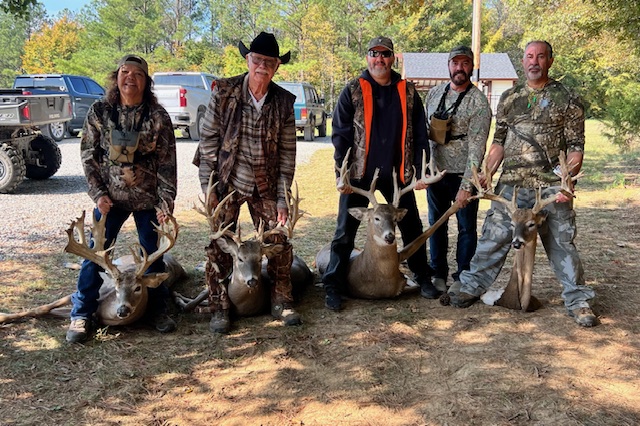
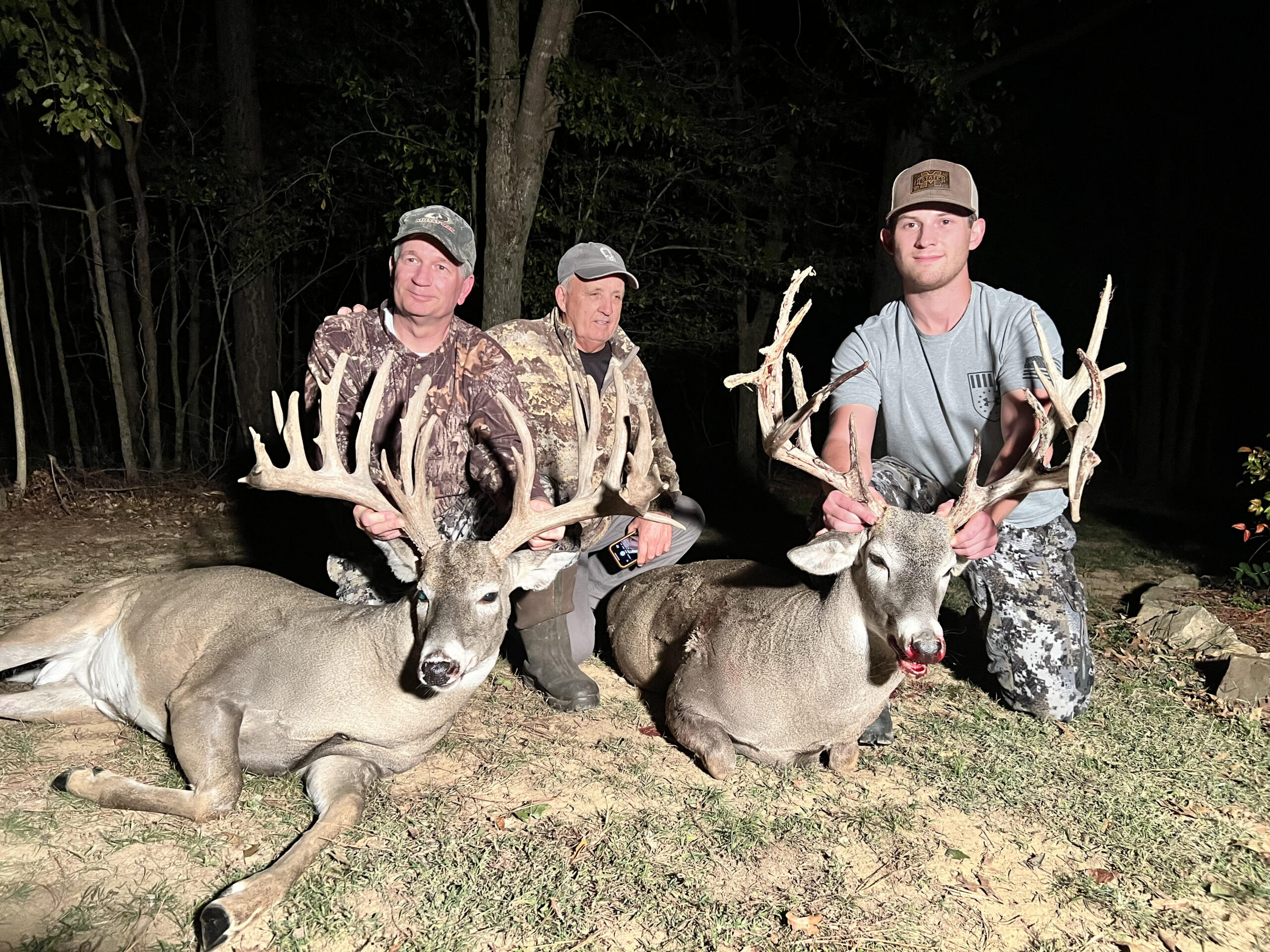
Cedar Ridge Whitetails is a family-owned hunting preserve in scenic southern Illinois with habitat built for the rut. Mature timber, pine and cedar thickets, thick draws, cornfields, and food plots give deer choices and give hunters premium setups for every phase. Your guided hunt is private to your group and tailored to your goals. You get a personal plan, expert stand selection, and real-time adjustments based on current sign.
We offer trophy classes to match your dream and your skill level, along with on-site lodging for comfort and convenience.
- 170–179 inches
- 180–199 inches
- 200 inches and above
Our guides live the rut. They know where to sit when the chasing pops off and when to slip closer to a lockdown pair. From your first sunrise to your last sunset, Cedar Ridge Whitetails focuses on safe access, smart wind calls, and heart-pounding encounters.
Sample 3-Day Rut Hunting Plan
- Day 1: Seek and Learn. Morning in a funnel between two doe bedding areas with a crosswind. Light rattling midmorning. Midday glassing from a hidden vantage to find hot does. Evening on the downwind side of a food plot edge with multiple entry trails.
- Day 2: Strike. If chasing is hot, sit a hub funnel all day with moderate rattling and occasional grunts. If lockdown signs appear, move closer to bedding for a quiet ambush and stay patient. Keep entry and exit silent.
- Day 3: Adapt. If a pattern forms on cameras near food, set up for an evening ambush. If fresh scrapes light up after rain, return to a scrape line for a morning sit and be ready at late morning when cruisers loop back.
Frequently Asked Questions About Whitetail Rut Phases
What is the single best week to hunt?
It varies by weather and local doe timing, but the first two weeks of November often bring the best mix of seeking and chasing. At Cedar Ridge Whitetails we monitor daily sign to advise the exact window each season.
Do moon phases change the rut?
The rut is driven by photoperiod, which means daylight length. The moon can influence when deer move within a day, but it does not change the overall timing of whitetail rut phases. Use the moon to fine tune sit times, not to predict the phase.
How long should I sit during the rut?
All day sits pay off from late October through mid November. Midday action is common during seeking and chasing. Pack for comfort and stay put.
What calling sequence should I start with?
Begin subtle. Two to three soft grunts. Wait five minutes. If nothing happens and conditions are right, add a light rattle. Read the buck’s body language and back off if he gets wary.
What about scent use?
Keep it simple. Focus on clean boots, clean clothes, and disciplined wind. If you use attractants, run a light scent drag to your stand in the seeking phase and stop. Do not overdo it at the stand.
Quick Checklist for Each Phase
- Pre-rut: hunt scrapes, soft calling, midmorning patience
- Seeking: funnels all day, moderate rattling, tight wind control
- Chasing: hub stands, decoy on edges, be ready fast
- Tending: quiet ambush near bedding, minimal calling
- Post-rut: evening food, calm entries, glass and pattern
- Secondary rut: cold front evenings near food, soft bleats
Start Your Rut Hunt With Cedar Ridge Whitetails
If you want simple, field-tested guidance, a private guided hunt, and a property built for action, Cedar Ridge Whitetails is ready. Our guides match your style to the phase, the wind, and the terrain so every sit has a purpose. Choose your trophy class, settle into our on-site lodging, and focus on the hunt. We take care of the rest. The whitetail rut phases are not confusing once you see them play out in real time. Come experience them with a team that lives for this season and knows how to turn sign into opportunity. Your next memory is waiting in the timber.
Leave A Comment