

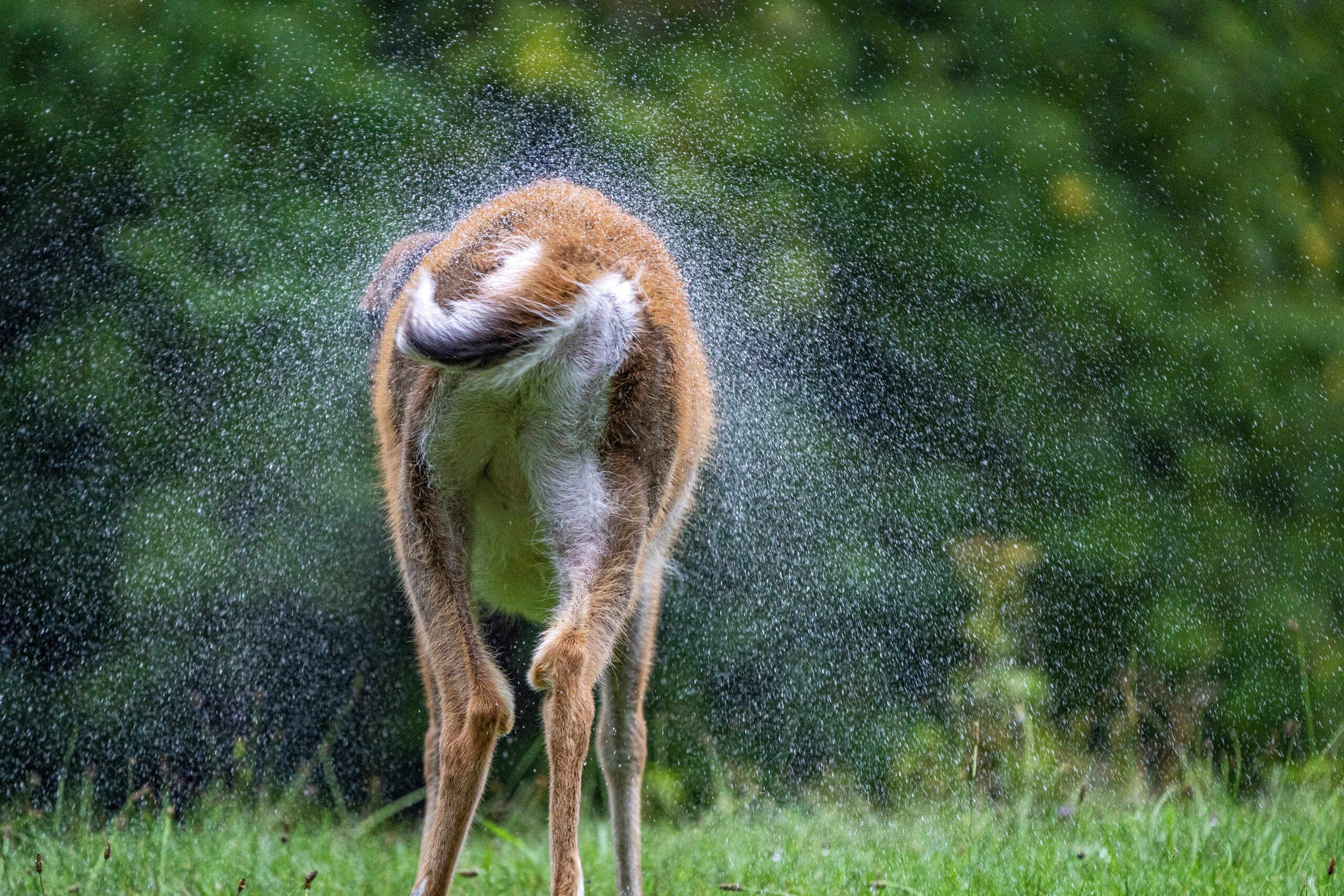
Why Weather Drives Whitetail Decisions
Whitetail deer survive by reading the sky, the wind, and the ground. They do not guess. They react to weather because it shapes where they feed, how they travel, and when they feel safe leaving cover. If you want more daylight encounters, you must think like a deer and let the forecast guide your plan. At Cedar Ridge Whitetails in southern Illinois, we see weather change movement patterns across our mature timber, pine and cedar thickets, thick draws, cornfields, and food plots. The terrain is diverse, and the deer use every edge differently as conditions shift. When you understand how deer movement weather works, you can choose the right stand, the right access route, and the right hour to be on the edge of action.
Wind: The First Forecast to Check
How Deer Use the Wind
Wind is the top factor in daily movement. Deer live by their nose. They often bed with the wind at their back and their eyes scanning what the wind cannot reveal. On gentle crosswinds, they travel slightly quartering to the breeze to scent-check food, trails, and doe bedding areas. In heavy winds, they shift to thicker cover that breaks the gusts. When the woods roar, deer pick tight lanes and leeward sides of ridges where the wind is calmer. On calm days, they still ride rising and falling thermals, so scent moves even when flagging tape hardly stirs.
Hunting Strategies for Wind
- Pick stands for a true crosswind that carries your scent away from trails or food sources. Slightly quartering winds are ideal because deer will use them too.
- Focus on leeward edges of ridges and draws when wind speeds jump. Deer slide to the calm side where they can hear and smell better.
- Plan access with the wind in mind. Do not let your scent pool in bedding faces or funnel into low spots that deer will check as they rise.
- Use speed as a signal. Light winds spread scent slowly, so thermals matter more. High winds restrict movement to cover, so hunt tight to thickets and edge transitions.
- At Cedar Ridge Whitetails, guides position hunters for safe, smart winds. We set stands on the downwind edges of cornfields and food plots and on the leeward sides of our cedar and pine ridges to keep your scent off the main travel lines.
Temperature and Thermal Flows
Cold Snaps and Heat Waves
Temperature pushes deer into or out of daylight. During early season heat, deer conserve energy and move near dark, then again in the cool of morning. During a crisp cold snap, movement often spikes as deer feed hard to regain energy. In late season cold, daytime movement grows, especially toward high-calorie food like corn. Warm spells in late season can slow midday activity, but a drop of ten degrees or more can ignite an evening sit.
Thermals in Hills and Draws
Even without wind, air moves. Cold air sinks as the sun sets, and warm air rises after sunrise. These thermal flows pull your scent downhill in the evening and uphill in the morning. Thick draws, creek bottoms, and shadowed slopes at Cedar Ridge Whitetails funnel thermals like rivers of scent. If you set up on the wrong side, a mature buck will know you are there before you clip your release.
- Morning hunts: set above trails so your scent rides uphill behind you once the sun warms the slope.
- Evening hunts: set below trails so thermals sink to the low ground away from deer movement.
- Shade matters. North-facing slopes hold cooler air longer, which can stall rising thermals and extend that perfect wind window.
- On mixed wind and thermals, trust the stronger force. If wind hits ten miles per hour or more, it tends to override thermals. If it is calm, thermals lead.
Barometric Pressure and Fronts
Rising vs. Falling Pressure
Barometric pressure tracks the pulse of the atmosphere. Deer often move best when pressure is changing. A falling barometer signals a front on the way. A rising barometer after the front often brings crisp air, clear skies, and a surge of activity. Middle-of-the-road pressure with no change can mean predictable but slower movement, especially if temperatures and wind stay steady.
Cold Front Magic
Few patterns beat a sharp cold front. The day before the front, when clouds build and pressure drops, deer often feed early. The first bluebird day after the front, with rising pressure and a cool north wind, can be dynamite. On our Illinois preserve, bucks use the leeward ridge lines and edge the corn to food plots during that first evening of post-front calm. If you see a ten degree drop paired with a wind shift and rising pressure, plan to sit all day near high-traffic funnels.
Warm Fronts and Stable Weather
Warm fronts bring moisture and clouds. Movement can stretch later into the morning under a gray sky because low light makes deer feel safe. Stable warm air can slow midday action, but edge browse and shaded timber still draw movement. If a warm front meets a light drizzle, expect deer to slip along the edges of cedar thickets where they can stay dry and quiet.
Rain, Snow, and Storms
Light Rain and Drizzle
Light rain is a hunter’s friend. The woods stay quiet, scent clings low, and deer travel confidently. Drizzle makes leaves cling to hooves so you can hear less and see more. If drizzle arrives with a falling barometer, movement often picks up two to three hours earlier than normal evening activity.
Heavy Rain and Thunder
During downpours, deer often bed tight in thick cover or conifers and wait it out. They do not like pounding rain and roaring wind because it blocks their ears and nose. As soon as the rain eases, movement surges. Bucks check scrapes, does hit edges, and everything settles back into a pattern. At Cedar Ridge Whitetails, we watch radar and move hunters into stands as the last band of rain passes. That first dry hour can be the most electric hour of the week.
Snow and Ice
Snow changes travel routes. Deer choose the path of least resistance and feed hard to keep warm. Fresh snow shows tracks like a road map, but crusted snow can make movement loud and risky for them. On bitter days, find south-facing slopes that soak up sun and food plots with easy pickings. If ice forms, deer often stick to open timber where footing is safer and head to corn and woody browse earlier in the afternoon.
- After a fresh snowfall, hunt active trails between bedding cover and high-energy food.
- Use calm, sunny days after snow to watch leeward ridges where deer can bed out of the wind.
- Track midday warm-ups that soften ice, then be on a food edge for the evening push.
Humidity, Cloud Cover, and Visibility
Cloud cover extends safe light. On overcast days, deer feel hidden and move longer in the morning and earlier in the evening. High humidity can hold scent near the ground, which helps deer and hurts sloppy setups. Fog dampens sound and sight. Bucks use it to cruise closer to bedding and scrape lines. In fog, set close to known trails and reduce movement in the stand because shapes silhouette easily.
Season by Season Deer Movement Weather Patterns
Early Season
Heat rules. Focus on cool evenings after slight cold fronts. Edge food sources, water near bedding, and shaded trails take the spotlight. A north or northwest breeze after a front can push deer onto food plots an hour early.
Pre-Rut
Cold snaps jumpstart scraping and daylight cruising. Rising pressure after a front is prime. Sit near community scrapes on the downwind side of doe bedding and between small food plots and staging areas.
Peak Rut
Bucks move in all weather, but wind and temperature still direct where and when. Moderate winds and cool afternoons shine. Light rain during the rut can lead to bold daylight searches along travel corridors that connect timber blocks and cedar thickets.
Late Season
Food and warm sun are king. Arctic air pushes deer to feed early and often. After a front, with single digit wind chills, deer pile into high-calorie food sources. Use a safe, steady crosswind and set up on the downwind edge of cornfields and standing grain.
Microhabitats and Food Sources at Cedar Ridge Whitetails
Cedar Ridge Whitetails offers the kind of habitat that reveals the truth about deer movement weather every day of the season. Mature timber gives wind cover on big blow days. Pine and cedar thickets break gusts and hold bedded deer when the barometer falls. Thick draws channel thermals and create scent traps for smart setups. Cornfields and carefully managed food plots provide the energy deer need to handle cold snaps. With this blend of cover and feed, we can adjust your hunt to match what the sky is doing. You get the advantage of a tailored plan that responds to the forecast, not a one-size-fits-all approach.
- North wind days: hunt leeward ridge sides and the downwind edges of food plots where scent is safe.
- Calm bright mornings: climb above trails so rising thermals pull scent uphill and away.
- Light drizzle evenings: slip into edge stands near doe bedding with an easy entry route.
- Post-front bluebird afternoons: focus on funnels between cedar thickets and corn, where bucks scent-check with the wind quartering their path.
Planning Your Hunt With the Forecast
- Check the seven day outlook to identify the next pressure swing, wind shift, or temperature drop.
- Pick stands for the next two best wind directions and build entry and exit routes that stay clean.
- Watch hourly wind speed. If wind rises above ten miles per hour, tighten your setup to thicker cover.
- Log deer sightings with weather notes. Patterns repeat, and your notes will prove which conditions are your best triggers.
- Pack for the pivot. If a storm stalls or arrives early, be ready to move to a leeward edge or a new access route.
Common Myths About Deer Movement and Weather
- Myth: Deer do not move in the wind. Reality: They move in the wind but shift to leeward sides and thicker cover.
- Myth: Rain shuts down movement. Reality: Light rain often improves daylight travel and quiets the woods.
- Myth: Barometric pressure alone decides movement. Reality: Pressure works with temperature changes, wind shifts, and cloud cover to set the stage.
- Myth: Cold only helps in late season. Reality: A sudden cool down helps from opening day through the rut.
- Myth: Forecasts are too vague to plan hunts. Reality: If you track wind direction, pressure trend, and a 10 degree change in temperature, you can predict movement windows with confidence.
Gear and Prep for Weather-Driven Hunts
- Layering system that can handle a twenty degree swing to stay still and alert.
- Quiet rain shell for drizzle sits and a soft shell for windy days.
- Wind checker and map app with wind and thermal tools.
- Boots with aggressive tread for wet leaves, mud, and icy climbs.
- Dry bag for extra gloves, hat, and a hand muff so you can wait out that prime hour after rain.
- Safety harness suited for bulkier cold weather layers.
How Cedar Ridge Whitetails Elevates Your Weather Strategy
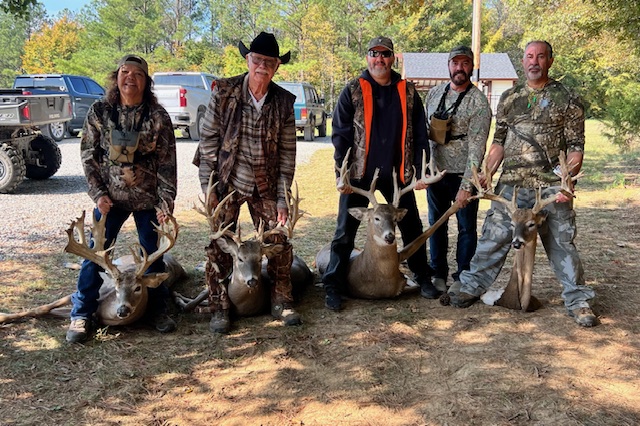
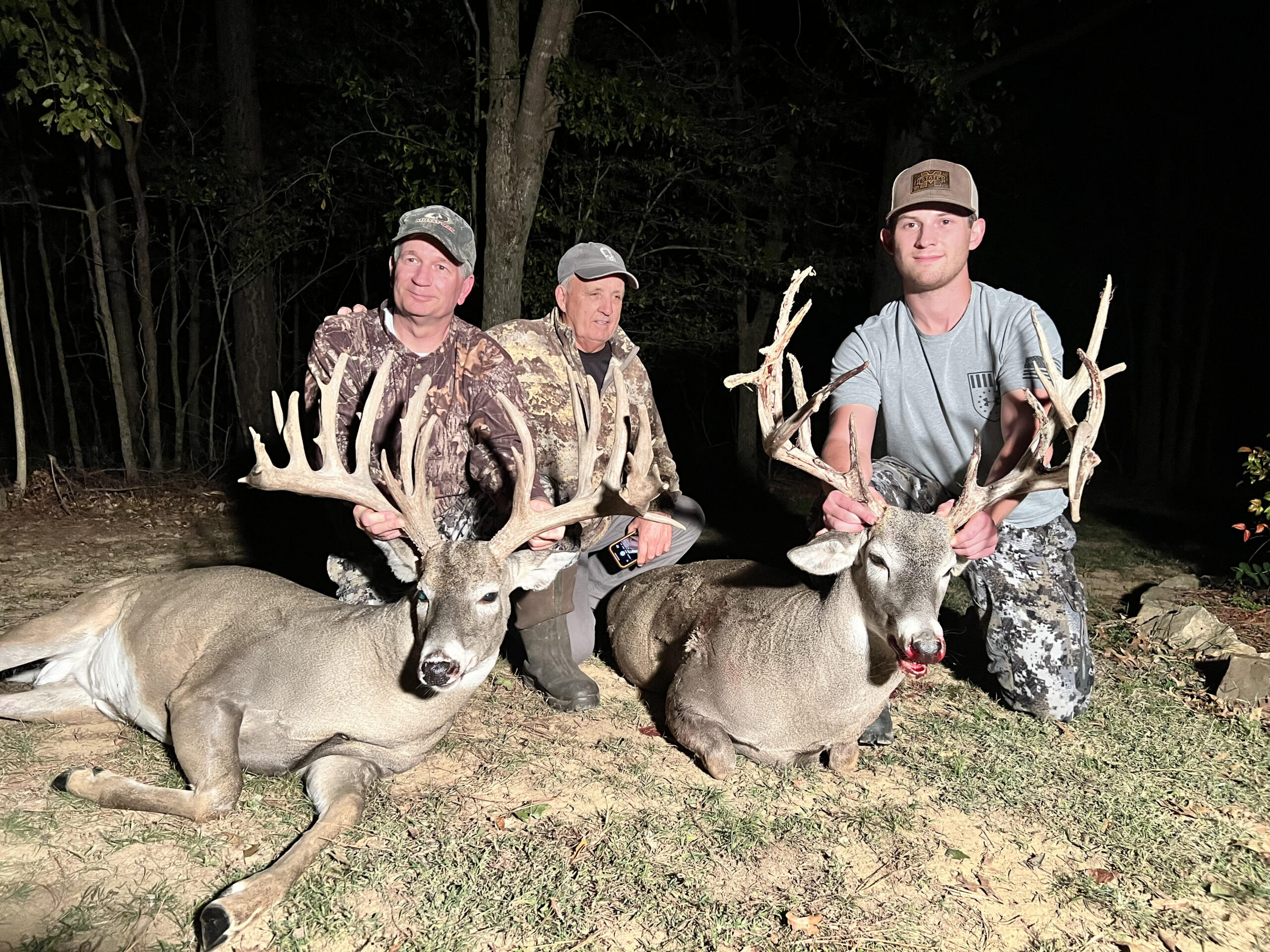
At Cedar Ridge Whitetails, every guided hunt is private for your group. That means our team can focus on your goals and the forecast. We scout daily, track deer patterns with changing weather, and set stands to milk the best winds. Our guides know where bucks stage when the barometer climbs and which leeward draws hold heat on frigid evenings. You pick your trophy class, and we match the plan. Choose from 170 to 179 inches, 180 to 199 inches, or giants that break 200 inches. You will hunt across a private reserve built for whitetails and tuned for weather. Stay in our on-site lodging for quick moves when a front hits or the wind shifts. Because your hunt is exclusive, we can pivot midday, swap stands, and take full advantage of a falling barometer or a new north wind. Cedar Ridge Whitetails exists to craft unforgettable, thrilling hunts that play the weather right and put you in the path of heavy antlers.
Frequently Asked Questions
What is the best wind direction for deer hunting?
The best wind is the one that keeps your scent out of the deer’s nose while letting the deer use the wind naturally. A crosswind that carries your scent away from the trail or food is ideal. Many mature bucks move with the wind quartering into their face. Set slightly off their expected path so your scent drifts behind them.
Is barometric pressure a real factor for deer movement?
Yes, but it is part of a larger picture. Deer respond to changing pressure when it comes with wind shifts and temperature changes. Rising pressure after a cold front is often excellent, especially with cool, clear air.
Do deer move in the rain?
They move well in light rain. Heavy rain and thunder can pin them down. When rain stops or eases, movement usually spikes. Be in the stand as the last bands pass for some of the best action of the week.
How soon after a storm should I hunt?
As soon as the storm clears and the wind steadies. The first calm hour after a front slides through is prime. Deer stretch, feed, and check scrapes. Plan to be on a travel route then.
What matters more, moon phase or weather?
Weather. Wind, temperature, and fronts have a stronger and more consistent effect on daylight movement. Moon can tweak timing a little, but deer movement weather is the reliable driver.
Start Scouting the Weather Today
The forecast is your roadmap to more daylight deer. Read the wind first. Track temperature swings. Watch pressure trends and fronts. Plan your entry, pick the right leeward edge, and trust thermals to carry your scent the safe way. If you want a hunt built around weather, book with Cedar Ridge Whitetails in southern Illinois. Our private, guided hunts, flexible lodging, and diverse habitat let you match the sky and the sign. Choose your trophy class, bring your grit, and we will help you chase the next front to the buck you will never forget. That is how you win the deer movement weather game and turn a forecast into a full freezer and a story worth telling.
Leave A Comment