


Best Whitetail Hunting States for Big Bucks: Where Trophy Deer Dreams Come True
Boone and Crockett records don't lie. A handful of states in the Midwest and upper South consistently produce the kind of whitetail genetics that serious hunters travel hundreds of miles to pursue, and knowing which states belong on that short list is the first decision you'll make when planning a destination hunt. If you're trying to identify the best whitetail hunting states for big bucks, the answer isn't random. It comes down to soil quality, agricultural pressure, herd management, and the age structure of the deer you're hunting.
This article walks through the states that genuinely earn their reputations, explains what separates a record-book region from average ground, and makes an honest case for why Illinois keeps showing up at the top of that list. If you're ready to stop guessing and start planning, this is where that process begins.
What Makes a State Great for Trophy Whitetail Hunting?
Not every state that holds deer holds big deer. The gap between a state with huntable populations and one that produces record-book bucks comes down to a few overlapping factors that compound over time.
Soil fertility and food availability are foundational. Deer in agricultural zones with calcium and mineral-rich soil grow significantly larger antlers than deer on sandy, nutrient-poor ground. The fertile farmland corridors of the Midwest are no accident. Corn, soybeans, and native browse in those regions fuel antler development that southern pine-belt deer simply can't match genetically or nutritionally.
Buck age structure matters just as much. A state might hold 200-inch genetics, but if bucks are harvested at 1.5 or 2.5 years old, those antlers never fully develop. States with either voluntary or regulated antler restrictions tend to produce more mature bucks. Mature bucks, those 4.5 years and older, carry the kind of mass, tine length, and spread that pushes a rack into record-book territory.
Low hunter density on quality ground is the third variable. States with large blocks of private land managed specifically for trophy production give bucks the space and security to reach full maturity. That's where the Quality Deer Management Association principles have had the biggest measurable impact on average buck scores over the past two decades.
The Top States Known for Producing Giant Bucks
Several states appear repeatedly in Boone and Crockett whitetail records, and each earns its spot for specific reasons.
Iowa is often the first state serious hunters mention. Strict antler restrictions and limited non-resident tags keep hunting pressure low while buck age structure stays high. Iowa produces an outsized number of 170-plus-inch bucks relative to its land area, but non-resident tags are difficult to draw and the wait can stretch years.
Kansas offers deep agricultural roots and some of the most consistent genetics in the plains. The state regularly ranks in the top five for B&C entries. Non-resident over-the-counter archery tags make it more accessible than Iowa, though firearm tags still require a draw.
Wisconsin has produced some of the largest bucks ever recorded in North America. Its northern mixed forests and agricultural transition zones create ideal travel corridors during the rut. It's also more accessible than Iowa, with over-the-counter non-resident licenses available in most zones.
Ohio has quietly climbed the record-book rankings over the past 15 years. Voluntary antler restrictions adopted widely by private landowners have changed the age structure dramatically. Counties in the eastern and central parts of the state consistently push bucks into the 150 to 170-inch range.
Missouri and Kentucky round out the tier just below the elite. Both states carry strong genetics, solid agriculture, and enough private land management to produce record-class animals regularly. They're also logistically accessible for hunters traveling from the South and Southeast.
And then there's Illinois.
Why Illinois Consistently Ranks Among the Elite
Illinois isn't a dark horse. It's one of the most documented trophy whitetail states in the country, and the data backs that up without any hype required.
The state has produced more Boone and Crockett entries per square mile of huntable ground than almost any other Midwestern state. The combination of deep, fertile glacial soils, heavy row-crop agriculture, and a landscape broken up by hardwood river corridors creates near-perfect conditions for antler development. Bucks raised on Illinois corn and soybeans carry the body mass and bone density that translates directly into frame size.
Southern Illinois in particular benefits from a geography that concentrates deer movement. Ridgelines, creek drainages, and agricultural edges push mature bucks through predictable travel corridors during the pre-rut and rut. That predictability is part of what makes the region so productive for guided hunts, where reading terrain and anticipating movement is half the equation. If you want a deeper look at what typical buck scores look like in this region, the Illinois trophy buck size guide at Cedar Ridge breaks down realistic score expectations with context.
Non-resident hunters also benefit from Illinois's relatively accessible licensing structure compared to Iowa or Kansas. Tags are available, seasons are generous, and the archery and firearm windows both overlap with peak rut activity. For a traveling hunter trying to maximize odds on a single trip, Illinois checks more boxes than almost any other destination. You can get more detail on what the licensing process looks like at the Illinois DNR deer hunting page.
Private Preserves vs. Public Land: How Your Choice of Access Changes Everything
Choosing a state is only half the decision. How you access that ground matters just as much as which state you're hunting.
Public land in top-tier states can produce big bucks, but the math works against you on most trips. Heavy pressure during firearm seasons pushes mature deer into sanctuary areas most hunters can't legally access. Scouting from home is limited. You're competing with dozens or hundreds of other hunters on the same ground during the same windows. Mature bucks in high-pressure public areas become almost completely nocturnal by the time the season peaks.
Private land hunting, especially on ground that's been actively managed for trophy production, changes those odds significantly. Bucks reach older age classes because hunting pressure is controlled. Food sources are intentional and consistent. Stand locations are placed based on years of observation rather than a single weekend of scouting.
Private preserves take that a step further. The genetics, herd structure, and habitat management on a well-run preserve are purpose-built to produce mature, record-class animals. The difference between a free-range hunt and a high-fence preserve involves real tradeoffs worth understanding before you book. The high-fence vs. free-range hunting comparison at Cedar Ridge covers those tradeoffs honestly, without spin.
For a traveling hunter with one or two weeks of vacation time per year, the question is simple: do you want to spend that time managing variables, or hunting?
How Genetics, Habitat, and Herd Management Drive Trophy Scores
Trophy antler scores don't happen by accident. Three inputs drive them, and all three have to be present simultaneously.
Genetics set the ceiling. A buck with superior antler genetics can reach 200-class scores given enough time and nutrition. Without the right genetics, no amount of management produces a record-book animal. Regions like the Illinois River corridor have long been recognized for carrying exceptional genetics, which is why multiple world-record class bucks have come out of that part of the state.
Nutrition determines how close a buck gets to his genetic ceiling in any given year. Mineral-rich soil, quality food plots, and access to agricultural crops during the critical summer antler-growing period push bucks toward their maximum potential. A genetically gifted buck on poor nutrition might score 140. That same buck on quality Illinois farmland might carry 180 inches.
Age is the variable most often underestimated. Whitetail bucks hit their antler prime between 5.5 and 7.5 years old. Getting a buck to that age requires either exceptional habitat that provides security cover, intentional herd management that controls harvest pressure, or both. On managed private ground, all three variables can be controlled in ways that simply aren't possible on public land or unmanaged private farms.
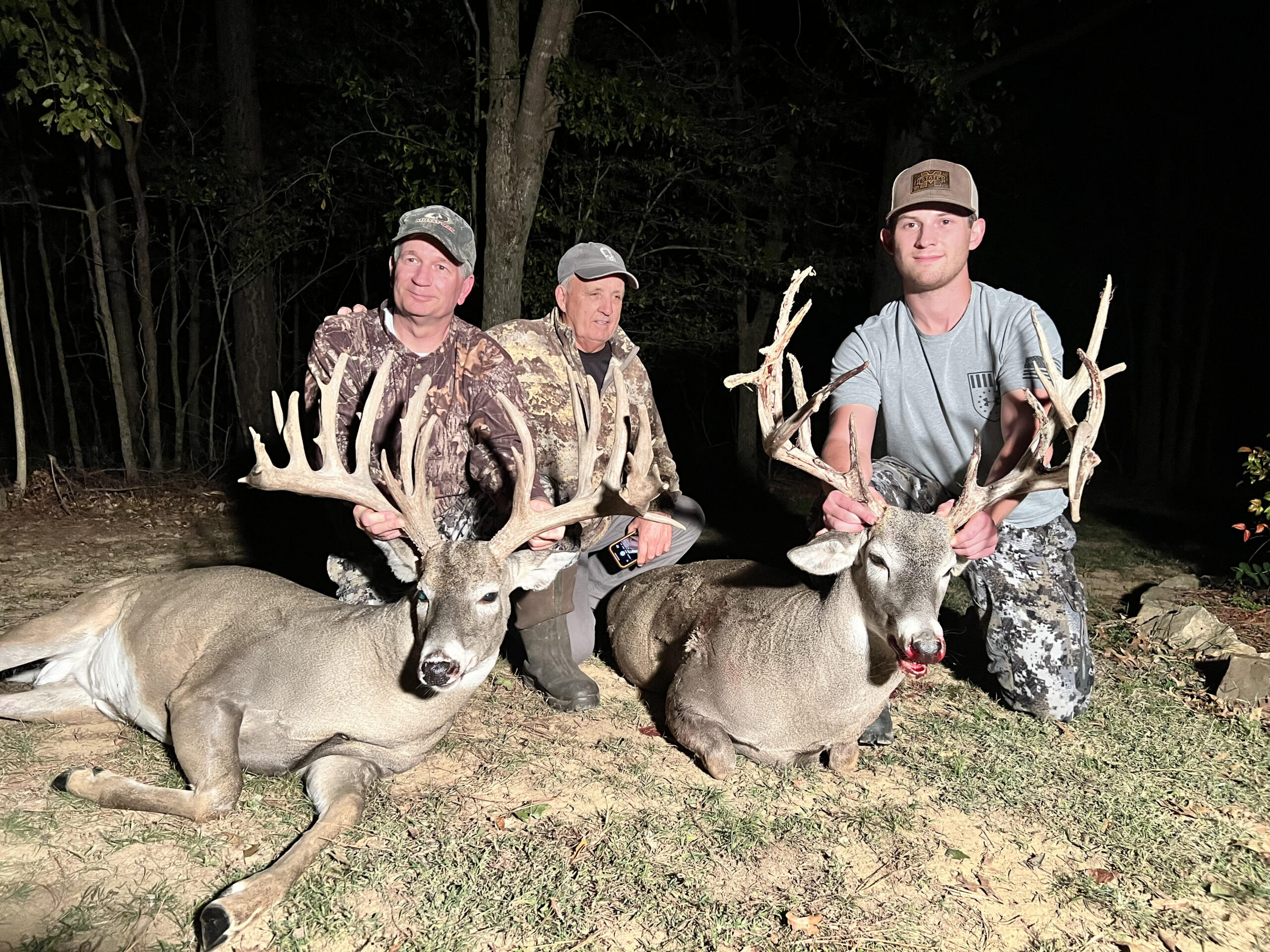
Understanding what scores actually qualify as trophy-class helps calibrate expectations before you book. A 200-class whitetail explained in plain terms gives you a useful frame of reference for what you're actually looking at in the field.
The Case for a Guided Hunt Over a DIY Out-of-State Adventure
DIY out-of-state hunting has real appeal. There's no guide to answer to, no schedule to keep, and no per-day cost beyond your own expenses. For the hunter who has months to scout, unlimited flexibility, and years of experience reading unfamiliar ground, it can work.
For most serious hunters, though, a single annual trip to a top-tier state is exactly that: a single trip. One chance. One season. The cost of tag fees, travel, lodging, and time off work adds up fast whether you're guided or not. The difference is that a guided hunt on managed private ground stacks the odds in your favor. An experienced guide on that property has years of observation on specific mature animals. They know the travel corridors, the food sources, and which stand locations produce in which wind conditions.
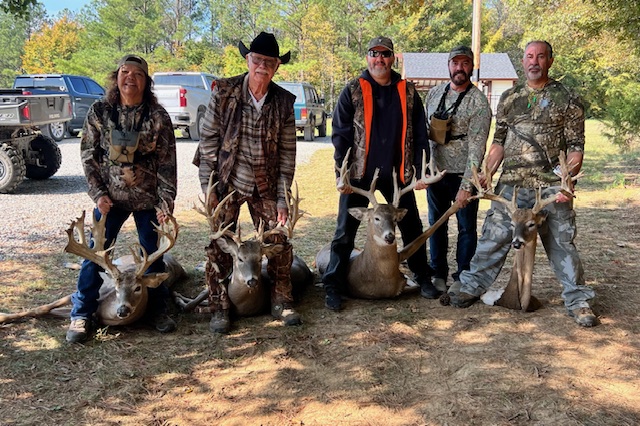
That knowledge base isn't something you can replicate on a first or second visit to unfamiliar ground. Guided hunts at operations like Cedar Ridge Whitetails in Illinois include all-inclusive lodging, meals, and expert guidance designed specifically for traveling hunters who want to maximize a limited window. The experience is built around the hunt, not logistics.
For out-of-state hunters new to Illinois terrain and regulations, it's worth reading through what surprises out-of-state hunters in Illinois every year before you arrive.
How to Choose the Right State and the Right Outfitter for Your Hunt
The framework is straightforward once you know what to prioritize.
Start with record-book production. Check B&C and Pope and Young entries by state over the past decade, not just all-time totals. Recent entries reflect current herd health and management trends better than historical data does.
Then evaluate tag availability for non-residents. Iowa is elite, but a five-year draw wait isn't realistic for most hunters. Illinois offers comparable genetics with far better access for traveling hunters.
Next, assess access type honestly. Public land, unguided private farms, and managed private preserves produce dramatically different experiences and outcomes. Be honest about how much time you have to scout, how familiar you are with the terrain, and what your tolerance is for a hunt that doesn't produce a mature animal.
Finally, vet the outfitter with the same rigor you'd apply to any significant investment. Ask for references. Ask specifically about buck age structures and average scores on harvested animals. Ask what the guide-to-hunter ratio looks like. A serious operation answers those questions without hesitation.
If an all-inclusive package that removes every logistical variable sounds like the right fit, it's worth looking closely at Cedar Ridge's all-inclusive deer hunting packages as a benchmark for what a well-built destination hunt looks like from arrival to departure.
Frequently Asked Questions
Which state produces the most Boone and Crockett whitetail entries?
Wisconsin and Illinois have historically ranked at or near the top of Boone and Crockett whitetail entries, with Illinois earning particular recognition for the density of record-book bucks relative to its huntable acreage. Iowa and Kansas also appear consistently in the top tier. Rankings shift year to year, so checking the current Boone and Crockett records database gives you the most accurate current picture.
Is Illinois really one of the best states for trophy whitetail hunting?
Yes, and the record books support that without any debate. Illinois consistently produces 170-plus-inch bucks across its agricultural river corridors, and several all-time record-class animals have come from the state. The combination of fertile soil, row-crop agriculture, and mature buck age structure on managed private ground makes it a genuine elite destination for serious hunters.
What Boone and Crockett score qualifies as a true trophy buck?
The minimum typical whitetail score for Boone and Crockett entry is 160 inches net. Most hunters consider anything over 150 inches a legitimate trophy-class animal, while 170-plus is genuinely exceptional and 200-class bucks are rare enough to represent a once-in-a-lifetime achievement. For a detailed breakdown of what these scores look like in the field, the 200-class whitetail scoring guide at Cedar Ridge provides useful visual context.
Do I need a non-resident license to hunt whitetail in Illinois?
Yes. Non-residents must purchase an Illinois non-resident deer hunting license along with the appropriate archery or firearm permits for their chosen season. Tags are available over the counter for most season types, which makes Illinois significantly more accessible than states like Iowa that require a draw. The Illinois DNR deer hunting page has current licensing requirements and fee schedules.
How does hunting a private preserve compare to public land for trophy buck odds?
The odds difference is substantial. Public land bucks face consistent hunting pressure that drives mature animals into nocturnal patterns and sanctuary areas, reducing encounter rates dramatically during daylight hours. A managed private preserve controls harvest pressure, manages genetics, and positions hunters based on years of observation rather than a single scouting trip. For a full breakdown of the tradeoffs, the high-fence vs. free-range hunting comparison covers both sides honestly.
What time of year gives me the best chance at a big buck in the Midwest?
The pre-rut and peak rut window, typically late October through mid-November in Illinois and most Midwestern states, produces the highest daytime buck activity of the season. Mature bucks abandon much of their normal caution during this period, making them more vulnerable during daylight hours. Booking during this window maximizes your odds regardless of whether you're hunting public or private ground.
The states that consistently appear in record books earn that reputation through a specific combination of genetics, soil fertility, age structure, and managed access. Illinois sits at the top of that list for traveling hunters because it delivers on every factor, and it does so without the multi-year tag draw that locks out most non-residents from states like Iowa. Southern Illinois in particular carries the terrain, the agricultural base, and the herd management that produces mature, record-class whitetails year after year.
If you're ready to stop researching and start planning a hunt built around mature bucks, serious management, and zero logistical headaches, explore the guaranteed trophy whitetail hunt options at Cedar Ridge Whitetails. The variables that determine success on a destination hunt are manageable when the right operation is running the show.
Leave A Comment