

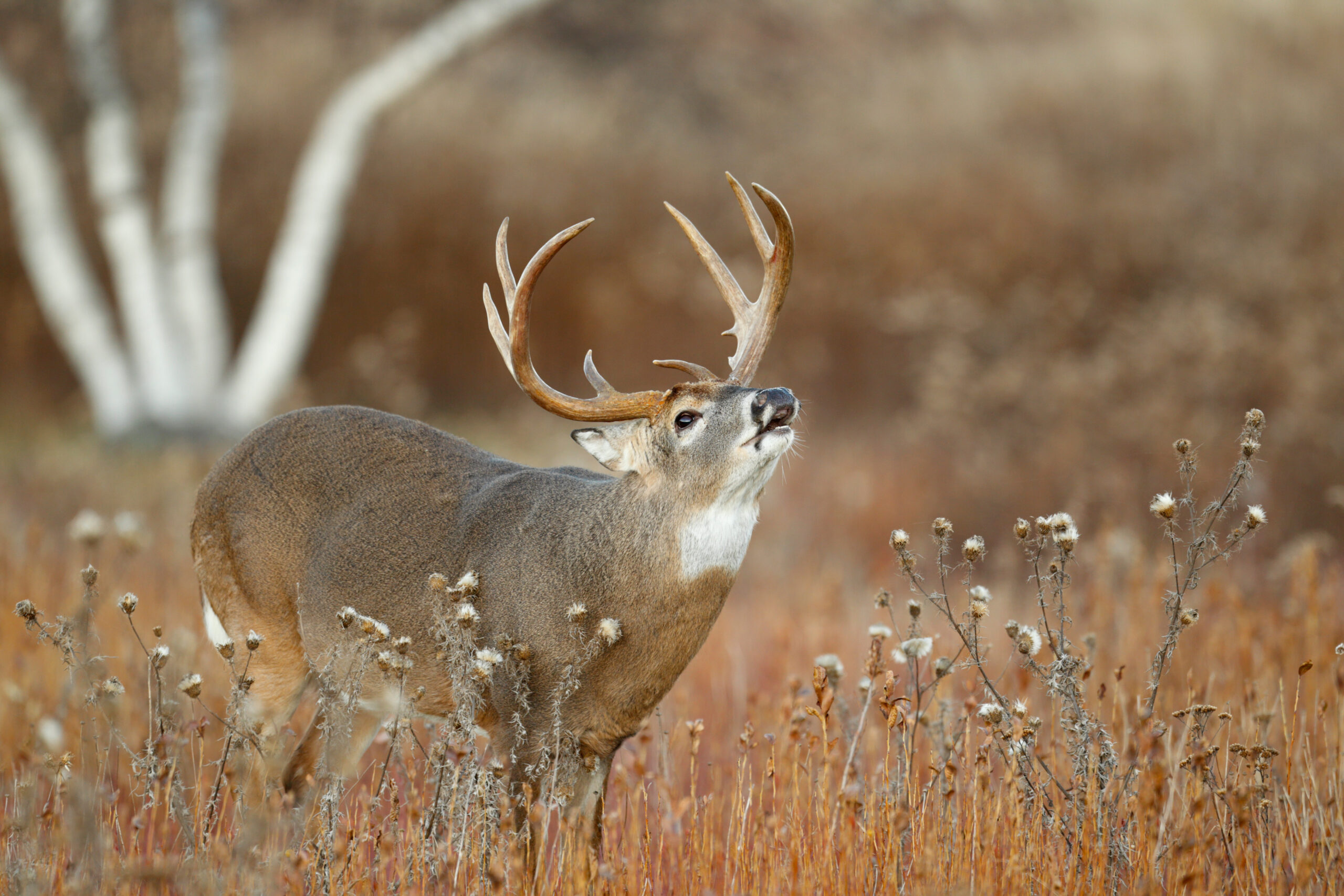
Why the November Rut Punishes Forgetfulness
Whitetail deer hunting gear can make or break your rut hunt. November bucks in full cruise mode reward sharp planning and expose small mistakes. If you have ever watched a heavy-racked buck ghost your stand because of wind, noise, or a dead headlamp at the worst moment, you know the pain. This guide highlights the five items most hunters forget to pack for a rut hunt, with practical tips and a field-tested mindset. At Cedar Ridge Whitetails in southern Illinois, our guides see hunters arrive prepared for the big stuff yet missing the tiny tools that seal the deal. Do not let that be you. Pack smarter, move quieter, and keep your shot window open when it matters most.
The Quick List: 5 Rut-Ready Essentials Most Guys Forget
- True wind and thermal indicators like milkweed and a powder puffer
- Redundant light and power kit with extra headlamp, batteries, and a power bank
- Backup critical weapon controls and a mini repair kit
- Warmth and silence survival kit to outlast cold sits without spooking deer
- Tagging and recovery essentials for fast, ethical, low-impact follow-ups
1. Trust the Wind: Milkweed and a Powder Puffer
What It Is and Why It Matters
Many hunters carry a standard wind puffer. Fewer bring milkweed floss or a similar floating fiber to read subtle thermals. The powder shows surface wind. Milkweed shows the truth. In November, daily heating and cooling pulls air up and down draws, across edges, and through the timber. A buck can be inside 50 yards and still never catch your ground scent if you understand how your scent cone wraps trees and drains with those thermals. That is why a tiny bag of milkweed and a small puffer belong at the top of your whitetail deer hunting gear list. They weigh next to nothing and deliver real-time data your nose cannot match.
How to Pack and Use It
- Stash a puffer in your chest pocket for quick checks before every move.
- Carry a small film canister or tiny bottle of milkweed on a lanyard.
- Check wind on the approach, not just at the tree. Save a bad wind day by shifting 40 yards.
- At height, drop milkweed from stand level and watch it drift at arrow height.
- Note thermal flips at first light and last light, then time your calling and rattling around them.
2. Redundant Light and Power Kit
Why Two Is One and One Is None
A November rut hunt often starts in the dark and may end after legal light with a careful track. Batteries die faster in the cold. Screens dim or shut down. A single headlamp fails at the worst time. A backup light with fresh batteries and a compact power bank keeps you moving, navigating, and filming blood sign without fumbling. This kit also protects your wind discipline. With proper light and power, you can circle quietly, take the clean route, and avoid brushing against cover that spreads scent.
What to Include
- Primary headlamp with a red or green mode for low-impact light
- Backup headlamp in a zip-top bag with a fresh battery set
- Compact flashlight that throws a tighter beam than your headlamp
- Lithium batteries that hold power better in the cold
- 10,000 mAh power bank with phone and camera cords
- Mini cord wrap to prevent noise and tangles in the dark
- Small diffuser lens or red filter for blood trailing
3. Backup Critical Weapon Controls and a Mini Repair Kit
For Bowhunters
When you bowhunt the rut, small failures become big heartbreaks. A lost release, a frayed D-loop, or a loose rest screw can end a hunt. A compact repair pouch brings peace of mind and keeps you in the game when a trophy-class buck shows at 30 yards. At Cedar Ridge Whitetails, we have seen more hunts saved by spare releases and D-loop material than almost any other item.
- Spare release aid set to your length, tested and broken in
- D-loop cord, serving thread, and a small lighter
- Compact Allen key set sized for your bow hardware
- Rest screws and sight screws plus a small tube of thread locker
- Nock sets and a couple of spare field points and broadheads
- Bowstring wax and a small rag
- Silencing add-ons like felt or moleskin for last-minute fixes
For Rifle or Muzzleloader Hunters
Firearms rarely fail, but cold metal and vibration from bumpy roads can shake things loose. Being ready with a few key spares protects your zero and your confidence. When a buck chases a doe across a cut corn edge at 120 yards, you want zero doubts.
- Spare scope battery for illuminated reticles
- Quality torque driver and correct bits for rings and bases
- Bore snake, small oil, and dry patches for weather-related fouling
- Extra ammo, with at least one full reload in a silent carrier
- Muzzleloader items: breech plug, primers, powder tubes, jag, and cleaning brush
- Simple chamber flag to keep the action safe around partners and guides
Pro Tip From Cedar Ridge Whitetails
Set your backup gear up the same way as your primary. If your bow release length or trigger weight is identical, your shot will feel natural under pressure. Our guides at Cedar Ridge Whitetails can help you run a quick pre-hunt check when you arrive, so you know every screw, strap, and stitch is ready for all-day rut sits.
4. Warmth and Silence Survival Kit
Heat That Does Not Spook Deer
November sits are long. Bucks cruise at odd hours. The hunter who stays one hour longer often gets the one chance that counts. The trick is to add heat without adding noise or scent. Simple items you forget in the rush will keep you still, quiet, and ready for a clean release.
- Disposable hand warmers and toe warmers for all-day comfort
- Windproof hand muff so you can ditch noisy gloves during the shot
- Neck gaiter and quiet beanie that trap heat and muffle zipper noise
- Extra merino socks in a zip bag to change after the hike
- Packable seat cushion that reduces fidgeting and keeps you warm
- Light puffy or vest that stuffs in your pack, then layers at the tree
- Boot blankets or over-boot covers for frigid dawns and last light
Manage Sweat and Noise
Walk slow, wear light layers, and carry your outer shell. Sweat on the approach will chill you fast and add scent to your route. Use a simple dry bag to keep your outer layer clean and dry until you are on stand. Before you climb, swap socks, add the puffy, and slide into the windproof shell. Choose quiet fabrics and keep your movements micro. The buck that heard your zipper yesterday will cruise 60 yards wider today. Keep it quiet and keep it warm.
5. Tagging and Recovery Essentials
Find, Tag, and Move Your Buck
When a rut-crazed buck finally gives you a shot, the next hour is critical. Many hunters forget the small tools that protect meat, speed up the track, and keep the woods clean. A slick recovery saves time and preserves your confidence. It also shows respect for the animal and for the land.
- Reflective tacks and a small roll of biodegradable flagging to mark last blood
- Dedicated blood-trailing light or a filter for your headlamp
- Drag rope with a chest harness or a compact sled for longer pulls
- Nitrile gloves and a small towel for a clean field dress
- Zip ties, pen, and license holder for fast tagging
- Game bags to keep meat clean in warm spells
- Wet wipes and scent-free trash bags for a tidy exit
- Offline maps downloaded to your phone before the hunt
Night Track Checklist
- Mark last blood with a tack. Step back and plan, do not charge in.
- Use your wind tool to avoid blowing the trail ahead of you.
- Move slow and quiet. Kneel to read light sprays and direction changes.
- Flag every third blood sign so you can back out clean if needed.
- Call a buddy or your guide when the sign gets thin or hits water.
Bonus Items Most People Overlook
- Extra haul line and a spare tree strap or bow hanger
- Compact first aid kit with a pressure bandage and blister care
- Tick repellent and scent-free sunscreen for odd warm spells
- Rangefinder tether so you do not drop it at full draw
- Unscented toilet paper and a small trowel kept in a dry bag
- Waterproof notebook to log wind, sightings, and shot details
How to Pack Smarter for the Rut
Build a Rut-Ready System
- Divide gear into color-coded pouches: wind, light, weapon, warmth, and recovery.
- Weigh your pack. If it feels heavy, ask what matters most for an all-day sit.
- Run a mock hunt at home. Suit up, climb a practice stand, and test access.
- Stage a truck kit with backups for batteries, gloves, socks, and snacks.
- After each sit, refill your pouches so you never start a dawn hunt unprepared.
November in Southern Illinois: What to Expect
At Cedar Ridge Whitetails, November can swing from frosty mornings to mild afternoons. Expect low 20s to 50s, shifting winds on weather fronts, and thermals that flip at dawn and dusk. Timber, cedar thickets, and corn edges create funnels that magnify wind quirks. Your whitetail deer hunting gear should be ready for cold, quiet, and quick changes. Plan layers that breathe on the hike but seal tight for the sit. Protect your hands and feet first, then your core, then your head. The longer you can stay focused and still, the more likely you are to catch a rutting buck slipping through the cover.
Why Cedar Ridge Whitetails Magnifies Your Odds
Cedar Ridge Whitetails is a family-owned preserve in southern Illinois with the kind of habitat that makes November magic. Mature timber, pine and cedar thickets, thick draws, cornfields, and food plots weave together into a whitetail playground. Our guided hunts are private to your group. That means you get personalized attention, real-time wind advice, and stand placements matched to your style and goals.
We offer trophy classes from 170 to 179 inches, 180 to 199 inches, and 200 inches and above. Lodging is on-site, so you can wake up rested and ready without driving past prime morning movement. Our guides help you dial your whitetail deer hunting gear on arrival. We can run a quick check on releases, batteries, and spare parts. We will review the wind for each set, walk you through expected buck travel based on current doe activity, and help you fine-tune access routes for stealth. When a front hits or the wind swings, we pivot fast. That keeps you in the best tree at the best time.
What to Expect When You Arrive
- Gear check to confirm your lights, wind tools, and weapon setups
- Zero confirm or a confidence check at the range
- Stand briefing with access routes that protect your wind and sound
- Midday scouting updates based on fresh sign and doe concentrations
- Clear recovery plans with tagging, meat care, and photo-friendly locations
Field-Tested Tactics to Use With Your New Gear
Once you have the five forgotten items in your pack, pair them with smart rut tactics. Glass quietly from your stand during slow hours. Bucks often skirt doe bedding edges mid-morning in search mode. Use milkweed to find the precise line where your scent drifts away from the trail. Rattle only when your wind and thermal trajectory do not flood likely approach routes. If a buck appears but hangs up, your wind kit may show a scent swirl that explains why. Play the wind, not the clock. With power backups, you can extend a track or a sit without stress. With warmth and silence dialed, you can stay still through the grind to earn that one clean shot.
Common Myths That Cost Hunters Deer
Myth 1: A Single Puffer Tells the Whole Story
Surface wind is only half the truth in broken terrain. Milkweed reveals layered currents. Use both tools every time you move or call.
Myth 2: If the Gear Works at Home, It Works in the Cold
Cold crushes batteries and stiffens moving parts. Pack extras and test in real temperatures. Keep critical items warm in inner pockets.
Myth 3: Warm Clothes Are Enough
Warmth without silence spooks deer. Choose quiet materials and add a muff, seat cushion, and soft-touch layers. Heat should help you stay still.
Pack List Snapshot You Can Copy
- Wind kit: puffer, milkweed, lanyard
- Light kit: two headlamps, flashlight, batteries, red filter, power bank
- Weapon kit: spare release or scope battery, tool set, small parts, cleaning items
- Warmth kit: hand and toe warmers, muff, socks, puffy, beanie, seat cushion
- Recovery kit: tacks, flagging, drag rope, gloves, zip ties, pen, game bags, wipes
Make November Your Month
The rut is wild, short, and unforgiving. Pack the small items most hunters forget and you will be ready when a heavy-bodied buck slips through the timber. Wind and thermals will favor you. Lights will last. Your weapon will run clean. You will stay warm and quiet. And when the shot lands, you will have the recovery kit to finish fast and right. That is how champions build their whitetail deer hunting gear system.
If you want a rut experience that blends world-class habitat with personal guidance, book a hunt at Cedar Ridge Whitetails. Our private guided hunts, trophy-class opportunities, and on-site lodging keep you focused on the moment that matters. Bring your passion and your skills. We will help you fine-tune the details. The November rut does not wait. Get your five forgotten essentials in the pack, then secure your dates with Cedar Ridge Whitetails today.

Leave A Comment