

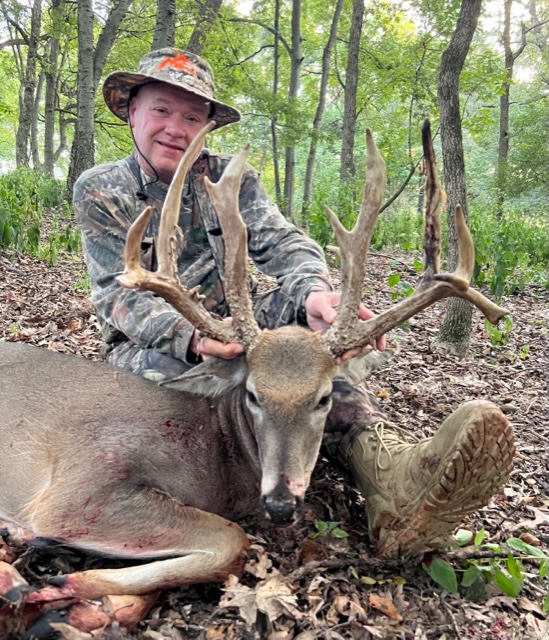
Why a 170 Inch Deer Is the Benchmark
Chasing a 170 inch deer is more than a goal. It is a test of discipline, scouting, timing, and grit. Hunters talk about this class of buck because it represents a rare mix of age, genetics, nutrition, and survival. If you want a real chance at a 170, you need a plan that covers every detail. Your 170 inch deer success starts here. Learn the land, scouting, timing, and discipline it takes to earn a real shot. Read the blueprint and start planning today.
What 170 Inches Really Means
Score tells the story of antler size and shape. Most hunters use a common scoring system that adds up tine length, beam length, inside spread, and mass. A typical 170 inch deer has long beams, plenty of mass, and clean symmetry. Non-typical bucks may hit 170 with extra points. Either way, you are looking at a mature deer that has beaten predators, weather, and hunters for several years.
Why They Are Rare
A 170 inch buck needs excellent genetics, high quality food, cover, and time to grow. He also needs low pressure and smart hunter behavior. That is why the right property matters. It is also why guided hunts on carefully managed ground give you a better shot than rolling the dice on places you do not know. In southern Illinois, Cedar Ridge Whitetails manages habitat to grow and hold mature deer, including bucks in the 170 to 179 class and beyond.
Know the Land Before You Hunt
Big deer are creatures of their landscape. To earn a shot at a 170 inch deer, study how your property feeds and protects deer through every season.
Habitat Features That Hold Giants
- Mature timber with thick understory that provides daytime security
- Pine and cedar thickets that block wind and offer thermal cover
- Draws and ditches that funnel movement and create safe travel routes
- Edges where timber meets cornfields, beans, or food plots
- Low pressure sanctuaries tucked away from human noise and sight
Cedar Ridge Whitetails is built around this mix. The preserve blends mature hardwoods, cedar thickets, thick draws, cornfields, and food plots with carefully designed travel routes. That kind of structure stacks odds in your favor because mature bucks can live and move with confidence.
Food Drives the Pattern
Track what deer eat and when. In summer, deer focus on green food and protein. In early fall, they shift to soft mast and field edges. When acorns drop, the woods explode with movement. Late in the season, high calorie food like corn and brassicas pulls deer from everywhere. A 170 inch deer is still a deer. He needs calories. Feed and cover near each other keeps him close to daylight movement.
Scouting That Builds a Real Plan
Scouting is not just walking around. It is the science of gathering clues without blowing your chance. A mature buck will not tolerate sloppy scouting. He does not forgive many mistakes.
Trail Cameras Done Right
- Place cameras on edges, scrapes, creek crossings, and pinch points
- Aim them north or south to avoid harsh sun on the lens
- Use video mode sparingly to capture direction of travel
- Check cards and batteries on a strict schedule with the wind in your favor
- Switch to cellular cameras in sensitive areas to reduce intrusion
Read Sign Like a Tracker
- Big tracks show weight and width, often with rounded toes
- Rub height and diameter hint at antler size and aggressiveness
- Primary scrapes re-open near bedding and along staging areas
- Faint trails can be mature buck routes that hug cover and avoid open ground
On a guided hunt with Cedar Ridge Whitetails, your guide has already done months of this homework. They know which scrapes are annual, where older bucks prefer to cross, and how pressure shifts daily movement. That intelligence saves you time and keeps you out of the wrong places.
Perfect Timing: Weather, Moon, and Rut Windows
You need skill, but you also need the right window. Mature bucks move more during certain patterns. Stack your odds by hunting when data meets instinct.
Weather Patterns That Trigger Daylight
- First cold snap after a warm stretch often kicks mature bucks into daylight
- Rising barometric pressure can pair with cold to boost movement
- Gentle drizzle or a light snow can soften the woods and quiet your entry
- Steady winds are better than swirling air that spreads scent everywhere
Rut Phases and Pressure
- Pre-rut: bucks check scrapes and stage near doe bedding
- Peak rut: more random movement, but funnels and doe groups shine
- Late rut: tired bucks recover near food and shadow late cycling does
At Cedar Ridge Whitetails, guides watch how each rut phase plays out on the preserve and adjust stand choices day by day. That means you are not guessing at the timing. You are riding the leading edge of peak movement.
Stand Strategy: Wind, Access, Exit, and Patience
You can have the right buck on camera and still fail if your approach is wrong. A 170 inch deer lives by his nose and his memory. Every stand decision must serve those facts.
Play the Wind Without Compromise
- Only hunt stands that are safe for the day’s wind direction
- Use crosswinds to keep scent off trails but still give shot opportunities
- Thermals rise in the morning and fall in the evening near hills and water
- Bring a wind checker and confirm conditions after you climb
Entry and Exit That Leave No Trace
- Use low noise routes that avoid bedding and key food edges
- Time your walk to avoid bumping deer in fields at dawn or dusk
- Cut branches and mark routes ahead of time to reduce movement
- Leave the stand only when it is safe, even if that means waiting in the dark
Guided hunts with Cedar Ridge Whitetails use tested access routes. Your guide will coach you on when to move and when to sit still. That discipline is a big part of tagging a 170 inch deer.
Shot Execution and Gear Choices That Close the Deal
When a 170 steps into range, your heart will pound. Preparation turns nerves into a clean shot. The buck deserves it, and so do you.
Practice That Matches Reality
- Sight in at realistic ranges and angles
- Shoot from an elevated position and from a seat
- Practice with gloves, a harness, and your hunting clothing
- Rehearse drawing or mounting the gun slowly and smoothly
Gear That Works for Mature Bucks
- A quiet, well tuned bow or a properly zeroed rifle or muzzleloader
- Quality broadheads or bullets that penetrate and leave a strong blood trail
- A rangefinder to avoid guessing
- A comfortable, quiet stand or blind and a safety harness
At Cedar Ridge Whitetails, your guide can help verify zero, check your setup, and talk you through shot placement on big bodied deer. That extra confidence is priceless when the moment comes.
Scent, Sound, and Sight: Stay Invisible
A 170 inch deer wins by noticing what others miss. Minimize every signal you send into his world.
Scent Control That Makes Sense
- Shower with scent free soap before hunts
- Store clothing in a clean, dry container
- Wear rubber boots and avoid touching vegetation near stands
- Use the wind first and products second
Move Like a Predator
- Settle in early and move only when necessary
- Silence gear with tape or felt where parts can clink
- Whisper rarely and only when you must
Blend With the Woods
- Break up your outline with natural cover or blind material
- Wear dull, season matched colors
- Mask shiny skin and gear that can catch light
The Guided Advantage in Southern Illinois
Hunting big deer on your own can be rewarding, but it can also take years of trial and error. Cedar Ridge Whitetails shortens the learning curve without taking away the thrill. The preserve is family owned and run with care. Every hunt is private to your booking party, which means the focus is on you and your goals. The land is managed for mature deer, with trophy classes of 170 to 179 inches, 180 to 199 inches, and 200 inches and above. On site lodging keeps you close to the action, so you can rest well and roll out before dawn.
Why Private Matters
- No crowding or random pressure to blow a pattern
- Flexible hunt plans tailored to your skills and comfort
- Stand and blind options that match wind and movement
- Real time adjustments based on fresh sign and camera data
If you dream of a 170 inch deer and want a realistic path, this type of guided experience gives you the best platform to succeed while still earning the moment.
The Cedar Ridge Whitetails Blueprint
Every property is different, but the blueprint below reflects what works across seasons and terrain. Cedar Ridge Whitetails follows these principles to set hunters up for success.
- Scout smart: low intrusion, high quality data
- Protect core bedding and travel corridors
- Hunt the best wind, not the best day
- Adjust to food shifts and weather fronts
- Move stands only with a strong reason
- Pass younger deer to let age and antlers peak
- Communicate after each sit and refine the plan
A 90 Day Plan for Your Best Shot
If you are serious about a 170 inch deer this season, follow this simple timeline. It works on private ground and aligns well with a guided trip at Cedar Ridge Whitetails.
Days 90 to 60: Build the Foundation
- Map the property, note bedding, food, water, and funnels
- Hang cameras on primary trails and community scrapes
- Set two or three low risk observation stands
- Dial in your weapon and start shooting on a schedule
Days 60 to 30: Target and Fine Tune
- Identify mature buck patterns and preferred winds for each area
- Hang a couple of kill stands close to movement with bulletproof access
- Prepare entry and exit routes and test them during mid day
- Gather a go bag with layers, snacks, and a field dressing kit
Days 30 to 0: Hunt With Purpose
- Hunt the best days, not all days
- Adjust to cold fronts and food changes
- Stay out of core areas until conditions are perfect
- After each sit, review wind, sightings, and sign with your team or guide
Common Mistakes That Cost a 170 Inch Deer
Even seasoned hunters slip up. Avoid the pitfalls below and your odds will climb fast.
- Hunting the wrong wind because you are eager
- Checking cameras too often and during peak movement
- Entering stands through the heart of bedding cover
- Overcalling in clear, calm conditions
- Rushing the shot or aiming too far forward on a quartering buck
- Sitting the same stand too many times in a row
- Ignoring thermals in hill country and along water
Ethics, Respect, and Memory Making
Taking a 170 inch deer is a rare achievement. Respect the animal, the land, and your partners. Recover quickly and carefully. Take pride in a clean shot and a clean recovery. Cedar Ridge Whitetails was built to create lifelong memories, not just antler measurements. The stories you carry home will matter as much as the score.
What to Bring for a Serious Trophy Hunt
- Weapon, tuned and sighted with spare ammo or arrows
- Safety harness and a comfortable seat cushion
- Layered clothing that is quiet and scent free
- Rangefinder, headlamp, and extra batteries
- Wind checker and a compact first aid kit
- License and any required permits for the hunt location
- Cooler and game bags for transport
Cedar Ridge Whitetails offers on site lodging, so your gear stays organized and dry. That comfort helps you hunt longer and harder, which pays off when big deer are moving.
Ready to Hunt: How to Start with Cedar Ridge Whitetails
If a 170 inch deer is on your bucket list, now is the time to take action. Call and discuss your goals, your preferred trophy class, and hunt dates. Ask about recent movement, food sources, and rut timing. Share your weapon choice and comfort level. The team will build a plan that fits your style and maximizes your window. On the hunt, your guide will handle access, wind strategy, and stand choices while you focus on execution. The experience is private to your group, so every sit is about your shot, not someone else’s.
Frequently Asked Questions
How often do 170 class deer show in daylight?
In the right conditions, more often than you think. Cold fronts, pre rut staging, and low pressure mornings can put mature bucks on their feet. On managed ground like Cedar Ridge Whitetails, habitat and careful pressure increase the odds.
Is a guided hunt still challenging?
Yes. A guide gives you knowledge and access, but you still need patience, stealth, and shot execution. The challenge is real. The difference is that your time is spent hunting smart rather than learning hard lessons the slow way.
What trophy classes can I book?
Cedar Ridge Whitetails offers targeted classes of 170 to 179 inches, 180 to 199 inches, and 200 inches and above. You choose your goal, and the hunt is planned around that target.
What about lodging and amenities?
On site lodging keeps you close to prime stands and food sources. You can rest, review the plan with your guide, and be in position well before first light.
How should I prepare physically?
Walk several miles a week, practice climbing with your harness, and build steady shooting form. Good boots and broken in layers help you sit longer in cold or wet weather.
The Final Word
Having a real shot at a 170 inch deer is possible when you blend great land, smart scouting, patient timing, and rock solid execution. Put in the work, polish your plan, and hunt when conditions point your way. If you want a guided path that stacks the deck while keeping the thrill intact, Cedar Ridge Whitetails in southern Illinois is ready. The habitat is built for mature bucks. The hunts are private and personalized. The goal is simple: give you the best chance to walk up to a giant and know you earned it.

Leave A Comment