

The Night the Story Changed
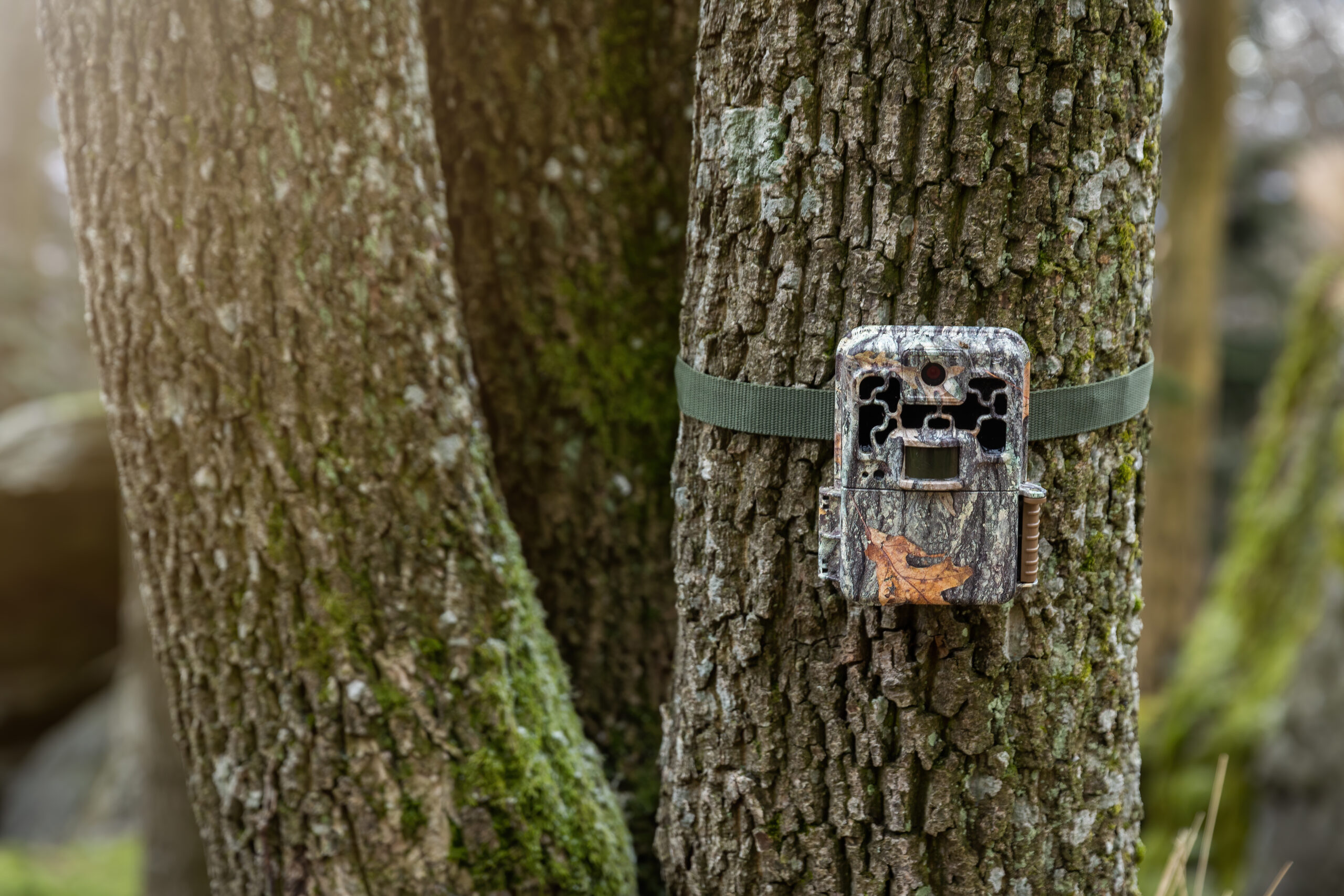
There are hunts that feel routine and there are hunts that rewrite what you think you know. This is the story of the second kind. At Cedar Ridge Whitetails in southern Illinois, a single trailcam captured 10 pivotal frames that forced us to challenge our assumptions, move our setup, and adjust the way we hunted a heavy-antlered brute we had chased for two seasons. If you love the pulse of a hard-earned pattern, the thrill of a chess match with a smart buck, and the satisfaction of strategy paying off, settle in. Our trailcam did more than take pictures. It cracked the code that led us to a trophy-class encounter on our private preserve.
Cedar Ridge Whitetails is a family-owned hunting preserve with a diverse landscape that deer love. We manage mature timber, pine and cedar thickets, thick draws, cornfields, and carefully designed food plots. This acreage frames a safe, natural environment that lets a buck live long enough to grow massive and smart. Our trailcam network is our quiet partner. It watches while we do not. That is how this story began and how it ended with a grin, a shaking hand, and antlers in the 180 class.
The Setup: Our Trailcam Plan at Cedar Ridge Whitetails
Where We Placed the Cameras
We pressed a tight grid across the eastern ridge, where cedar thickets meet a narrow draw that spills into a cornfield. We placed one trailcam on a convergence where two faint trails pinch down between saplings. Another camera covered a cluster of community scrapes tucked under a lone overhanging branch. A third faced a micro food plot on the leeward side of a knob. We expected daylight traffic on the plot and nighttime movement on the scrapes. We were wrong, and our trailcam proved it.
How We Configured Them
The main trailcam ran three-shot bursts with a short delay. It sat at chest height and aimed slightly down the trail to catch a nose-to-tail sequence. We set time-lapse during first and last light, then photo mode for the rest of the day. We checked batteries, kept human scent under control, and used a simple naming system for SD cards to avoid mix-ups. With a south wind forecast and a cooling trend building, we expected steady movement. The cameras started telling a different story within 48 hours.
The Buck We Called Split Cedar
He earned his name from the way his right G2 forked like two sharpened stakes. In velvet he seemed like a 170-class frame. By hard horn, he had grown into a thick, tall, symmetrical deer with extra character, pushing into the 180 range. We had three sightings the prior season, all after legal shooting light. He favored the cedar cover and never committed to open ground before dark. Local pressure was not the issue. Intelligence was. He did not make mistakes. Our trailcam frames would reveal the few patterns he did keep.
The 10 Frames That Changed Everything
- Frame 1: A ghost at 12:17 a.m. on the scrape line, moving east to west with his nose high. The wind that night had shifted to north-northeast. This told us he liked to check the scrapes with the wind quartering into his face, not straight in.
- Frame 2: A 4:52 a.m. shot at the pinch point under a faint moon. He hugged the downwind edge of the trail and stayed tight to cover. Instead of walking the center, he used the shadow line. That small detail changed how we would hang our stand.
- Frame 3: A 6:09 a.m. frame at the draw exit with dew on his brisket. He appeared earlier than expected, moving toward the corn. First light activity on a cold morning told us he was staging closer before legal shooting time and then easing forward.
- Frame 4: A 3:31 p.m. snapshot during an unexpected drizzle. He stood in the scrape opening and did not work it. He simply paused, scanned, and melted back into the cedars. Midday in wet weather meant he was comfortable slipping between bedding pockets without needing darkness.
- Frame 5: A 7:02 p.m. capture on the micro plot with does feeding. He was 15 yards inside the timber just off the plot and never stepped out. He watched the does use the groceries and stayed invisible. He wanted security cover tied to food, not the food itself.
- Frame 6: A 10:18 p.m. frame side by side with a younger buck. The two paralleled each other at the pinch. The pecking order was clear. Split Cedar led from the cover side. We learned our buck was still comfortable shadowing younger deer but kept an escape route.
- Frame 7: A 5:27 a.m. image the morning after the drizzle. He approached the same scrape from the opposite direction. That flip told us the bedding area he used was not fixed. He rotated between two cedar pockets based on wind and ground moisture.
- Frame 8: A 1:14 p.m. frame on a high-pressure bluebird day. He stood broadside in the shade seam of the cedar thicket, mouth slightly open, panting. Thermal lift was building. He used a slight uphill draft to keep his nose working. This confirmed our entry route had to avoid that thermal path.
- Frame 9: A 5:41 p.m. burst of three photos at the pinch, head low, lip curl. A new doe had come into the area. Even before peak rut, his body language changed. The timing told us to push an aggressive sit before the weekend.
- Frame 10: A 6:22 a.m. frame during a stiff northwest wind and a falling barometer. He slipped past the micro plot edge and gave the cleanest, sharpest profile yet. The angle showed we could intercept him 30 yards downwind of the plot with almost no exposure if we shifted our stand.
What the Trailcam Taught Us About This Buck
- He trusted edges more than open sources like plots and main trails.
- He traveled with a quartering wind whenever possible, using a line that kept one side in cover.
- He rotated bedding areas based on wind and ground conditions, not just pressure.
- He checked scrapes for information, not just to work them.
- He moved during light rain and drizzle, but paused rather than fed.
- He watched other deer use food, then paralleled from inside the timber.
- He used thermals along the cedar slope in midday, especially in high pressure.
- He responded to subtle changes in local doe activity before rut peaked.
- He chose routes with multiple exits, never committing to a single corridor.
- He gave us a window at first light during a strong northwest wind, but only if we were already in place with a silent approach.
How We Adjusted the Hunt Strategy
The trailcam changed our playbook. We abandoned the old stand on the plot edge and slipped 60 yards into the cedar side, right where the shadow line met the pinch. We hung the stand low, at just over 12 feet, and tucked into a forked cedar. The shooting lane was tight. We trimmed a minimal gap, not a highway. Entry and exit routes changed too. Rather than climbing the knob in the dark, we circled wide, dropped into the draw, and slipped uphill on a narrow bench to beat the thermals and the morning wind. We wore rubber boots, minimized noise, and clipped every loose strap on our packs. This setup was built from those 10 frames.
- Stand relocation: 60 yards inside cover, aligned with his quartering route.
- Entry route: Wide circle and low approach to avoid thermals and main deer paths.
- Timing: Be settled 45 minutes before legal shooting time on a northwest wind.
- Scent plan: Single wind checker thread with a strict nose-to-wind setup.
- Calls: No blind calling. We would only grunt if we saw him inside 60 yards.
- Patience: Commit to the sit during drizzle or a falling barometer.
The Result: A Trophy-Class Ending
We waited for the right weather. When the northwest wind pressed and the barometer dipped, we were in the cedar stand well ahead of first light. The woods held that tight, cold hush. A doe walked down the trail at gray light and stopped to sniff the edge. Minutes later we heard a twig tick, the soft sound that can be anything until it is everything. Split Cedar eased out of the shadow line at the exact angle from Frame 10. He was quartering along the cover crease, nose testing. He paused at 31 yards. The shot window was small but clean. We waited for his front leg to slide forward, drew smooth, and settled the pin. The arrow met the mark.
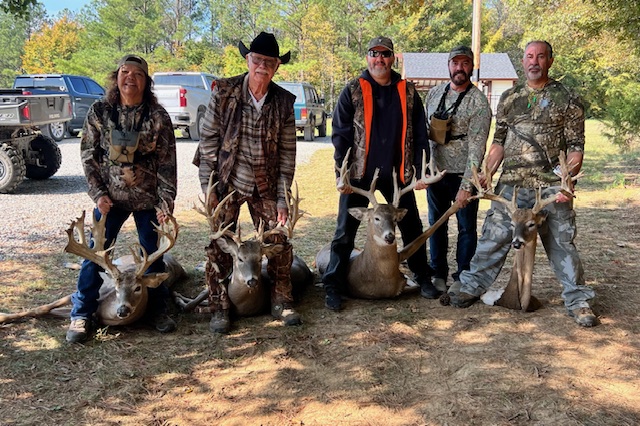
The recovery was short, in sight of the cedar thicket he trusted for two seasons. He scored in the 180s, a frame thick with character and a split G2 that looked even more dramatic up close. Our team at Cedar Ridge Whitetails cheered and took a quiet moment. More than a photo or a number, it felt like respect. A trailcam told us the truth, we listened, and we hunted with care. That is the kind of memory we aim to deliver on every guided hunt.
Trailcam Tips for Southern Illinois Hunters
- Place cameras on edges, not just over food. Deer in our region love cover seams, cedar shadows, and pinch points.
- Angle the trailcam slightly down the trail so you catch an approach, not just the pass-by.
- Use three-shot bursts with a short delay to read direction and body language.
- Mix time-lapse at first and last light with photo mode for the rest of the day.
- Mount at chest height for trails and slightly higher for scrapes with overhanging branches.
- Watch the wind and thermals. Place cameras where a deer can scent-check without stepping into the open.
- Adjust for weather. Drizzle often brings surprise midday frames. High pressure can push deer to shade seams.
- Track bedding rotation by watching how a buck approaches the same feature from different directions.
- Do not overcheck. Use larger SD cards or cellular trailcams to reduce human intrusion.
- Log frame time, wind, and temperature every time you pull cards. The pattern lives in those notes, not just the picture.
Why Trailcams Matter at Cedar Ridge Whitetails
At Cedar Ridge Whitetails, trailcam data shapes how we design your hunt. Our family-owned preserve in southern Illinois blends mature timber, pine and cedar thickets, thick draws, corn, and food plots into a living lab of deer behavior. We use trailcams to map travel lines, validate wind-based bedding shifts, and time sits to a narrow window when a mature buck is most likely to slip up. This is not luck. It is a system. The cameras keep watch so our guides can make smart calls that deliver thrilling, ethical shots.
We keep hunts private and exclusive to your group. That means our trailcam network is focused on your experience during your dates. We pattern deer specifically for your hunt and adapt to the real-time behavior the cameras reveal. Lodging on site lets you rest well, wake close, and slide into a predawn setup with minimal disturbance. It all adds up to an adventure with purpose.
Hunt Options at Cedar Ridge Whitetails
- Private guided hunts for your group only, tailored to your goals and skill level.
- Trophy-class options, including 170–179 inches, 180–199 inches, and 200 inches and above.
- On-site lodging for convenience and comfort between sits.
- Strategic stand locations driven by trailcam data and habitat knowledge.
- Family-owned service that values safety, ethics, and lifelong memories.
What You Can Learn From Our 10 Frames
Every buck tells a story. The trailcam is the translator. In our case, 10 frames taught us that Split Cedar feared exposure more than anything. He used edges with a quartering wind, shifted bedding on conditions, and let other deer test food while he hung back. That is a blueprint any hunter can use. Relocate to edges. Protect your entry route. Sit when drizzle mutes the woods. Watch for thermals on cedar slopes in high pressure. Confirm everything with your own trailcam images and do not be afraid to move when the pictures push you.
Plan Your Adventure
If this kind of hunt sets your heart racing, we would love to host you. Cedar Ridge Whitetails is built for hunters who enjoy the puzzle as much as the prize. Our guides use trailcam insights to shape each day around weather, wind, and deer behavior. With habitat that grows giants and a private experience for your group, you get a focused, high-energy hunt with a real shot at the deer of a lifetime. Book your dates, settle in at our on-site lodging, and let the cameras and our team do the quiet work while you prepare for the moment that counts.
Final Thoughts
Those 10 trailcam frames did more than capture a great buck. They taught us to listen harder, move smarter, and trust the quiet evidence. When you pair that mindset with the diverse habitat of Cedar Ridge Whitetails and a guide team that lives for the chase, you get the kind of hunt you will talk about for years. The next set of frames is already building. We hope you are in the stand when the story turns your way.

Leave A Comment