

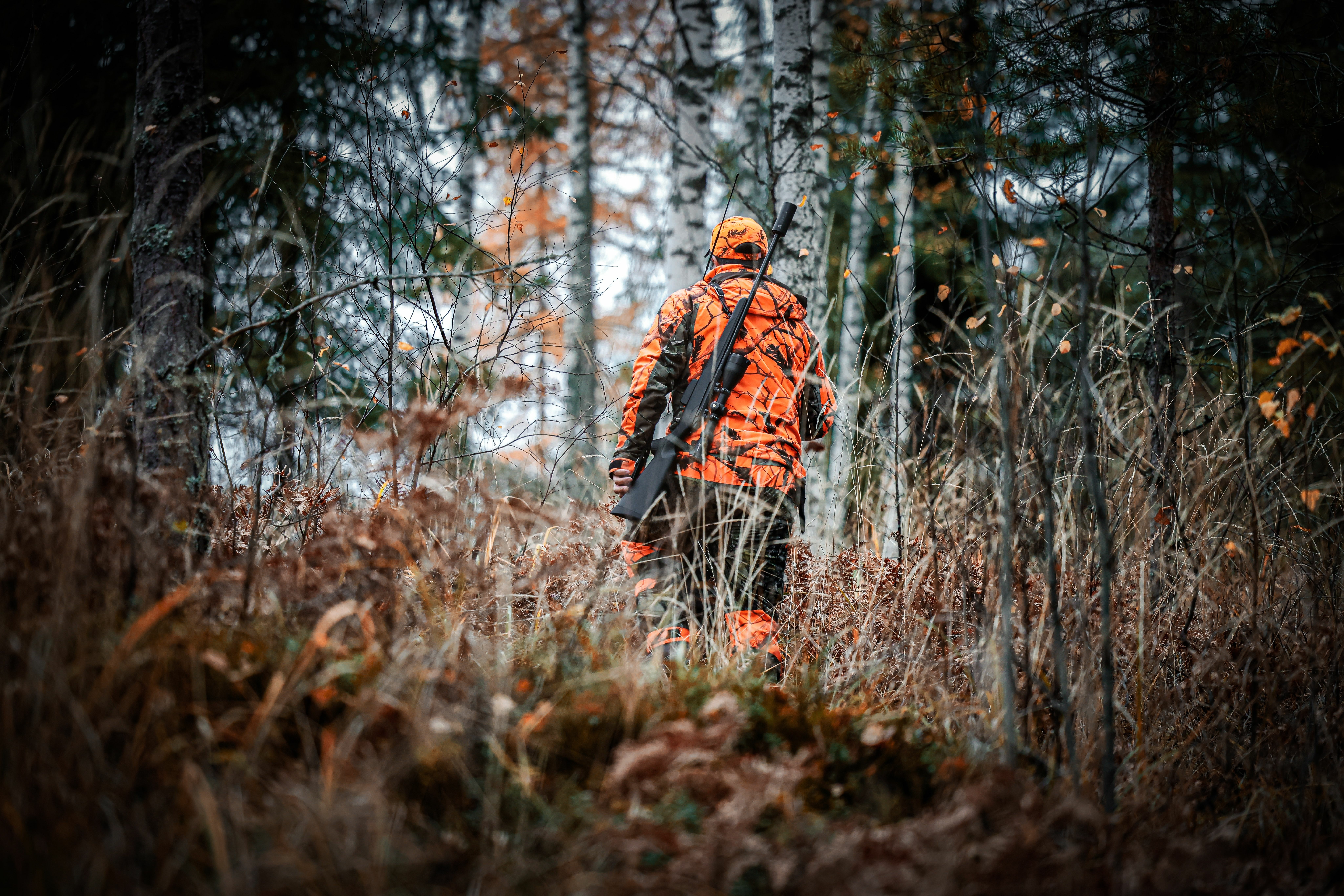
Start Here: Learn How to Call Deer and Build the Hunt You Dream About
Learn how to call deer with grunts, bleats, and rattling, plus timing windows for each sound. Master beginner tactics and seasonal cues with this practical playbook from Cedar Ridge Whitetails in southern Illinois. Whether you are posted on a field edge at daylight or deep in a cedar thicket at noon, the right call at the right time can pull a buck into bow range and turn a quiet sit into a heart-pounding encounter.
How to Call Deer: Core Principles Every Beginner Should Know
Calling deer works because whitetails are social and curious. Bucks posture for dominance in fall, does talk to fawns, and cruising bucks listen for signs of competition and breeding. When you learn how to call deer, you are speaking their language. Success comes from realism, restraint, and timing. Use the right sound, at the right volume, at the right moment in the season. Always match your call to the mood of the woods. Calm mornings call for soft, short notes. Windy or rut-crazed days can handle louder, more aggressive sequences. No matter what, play the wind, expect a deer to approach from downwind, and be ready before you call.
Essential Gear to Call Deer With Confidence
- Adjustable grunt tube for contact and tending grunts
- Bleat can or mouth call for fawn, doe social, and estrus bleats
- Rattling antlers or a rattling bag for sparring and fight sequences
- Wind checker and quality scent-control routine
- Comfortable, quiet seat or stand with a solid shooting lane
- Rangefinder and binoculars for quick, accurate decisions
- Gloves and face covering to hide movement when calling
- Optional decoy to anchor a buck’s attention away from you
The Timing Windows: When Each Sound Shines
Grunts: The Do-It-All Call
Grunts are your most versatile tool. A soft contact grunt can pull a curious buck, while a rhythmic tending grunt sells the illusion of a buck shadowing a hot doe. Roars are rare and risky for beginners, so focus on contact and tending sounds. Here is how to time your grunts throughout the season.
- Early Season, late September to early October: Use soft contact grunts near bedding and staging areas. Best at first and last light. Do not overdo it. One to three notes, then wait 10 to 15 minutes.
- Pre-Rut, mid to late October: Add slightly louder contact grunts and occasional short tending grunts. Dawn and dusk are prime, but mid-morning can spark action on cold fronts.
- Seeking Phase, late October to early November: Bucks cruise all day. Use a series of contact grunts followed by a two to four note tending grunt. Call every 30 to 45 minutes from a good vantage point.
- Chasing Phase, first and second week of November: Grunt more aggressively. Two to five notes with urgency can stop and turn a buck. Do not call nonstop. Grunt when you see movement or every 30 minutes in high deer traffic areas.
- Lockdown, mid-November: Keep it subtle. Light contact grunts can pull a buck that is escorting a doe near your setup, but they are less responsive overall. Focus on travel funnels near bedding.
- Post-Rut, late November to early December: Use occasional contact grunts to lure worn-down bucks back to food. Best around afternoon feeding times.
Bleats: From Fawn Cries to Estrus Invitations
Bleats are powerful because they work on both curiosity and nurturing instincts. A fawn bleat can bring does and sometimes bucks. A social doe bleat draws calm deer, while an estrus bleat can be the spark that brings a dominant buck on a string.
- Early Season: Soft doe social bleats can calm nervous deer near food sources. One to three bleats, then wait. Use fawn bleats sparingly if you see a lone doe.
- Pre-Rut: Mix a gentle doe bleat with a contact grunt to sound like a small group. Good at dawn when bucks are checking edges.
- Peak Rut: Estrus bleats shine now. One long bleat, then two short bleats. Pair with tending grunts after 30 seconds. Repeat every 20 to 30 minutes if the area is active.
- Post-Rut: Return to soft social bleats near afternoon food. Use fawn bleats to entice does when you are meat hunting or trying to pull a buck that follows groups late.
Rattling: Sparring to All-Out Fights
Rattling mimics bucks clashing antlers. It can draw curious young bucks and charge up older deer looking to assert dominance. Tone and timing matter. Sparring is light and early. Full fights are aggressive and prime during the seeking and chasing phases.
- Early Season: Light sparring only. Tick antlers for 10 to 20 seconds, then stop. Do it once per hour in the first and last hour of light.
- Pre-Rut: Step up with 30 to 45 second sparring followed by a few soft grunts. Focus on cold mornings with light wind.
- Seeking and Chasing: Prime time for full sequences. Crash antlers for 45 to 90 seconds, grind and rake brush, add a snort wheeze if experienced, then follow with tending grunts. Repeat every 45 to 90 minutes. Midday can be excellent.
- Lockdown: Rattling is less effective. Save it for when you see a buck at distance that is not locked on a doe.
- Post-Rut: Use short sparring to trigger curiosity, especially on cold fronts or near food sources in the afternoon.
Step-by-Step Calling Sequences That Work
Quiet Woods, Early Season Observation Sit
- Glass the area for five minutes. Confirm the wind is in your favor with a checker.
- Give one soft contact grunt. Pause for five minutes.
- If nothing responds, add a second contact grunt and two gentle doe bleats.
- Wait 15 minutes. Scan slowly. If a deer appears, stop moving and let him search for the source.
- Repeat the two-call sequence every 30 minutes for the first and last hour of light.
Pre-Rut Edge Ambush
- Set up downwind of a scrape line or staging area. Clear your shooting lanes.
- Start with two soft contact grunts. Wait one minute.
- Rattle lightly for 30 seconds to mimic sparring. Rake brush with your antlers.
- Add two short tending grunts. Then wait 10 minutes without moving.
- Repeat the light sequence every 45 minutes. If you see a buck skirting at 80 to 120 yards, give one sharp grunt to turn him.
Rut Midday Cruising Play
- Pick a funnel between bedding areas. Sit by 10 a.m. and plan to stay until 2 p.m.
- Crash antlers for 60 seconds. Grind and push leaves while rattling. End with a snort wheeze only if you are confident.
- Follow with a three-note tending grunt, then a single estrus bleat after 20 to 30 seconds.
- Stay silent for 20 minutes. Expect a downwind approach. Be ready to shoot before calling.
- Run a lighter version of the same sequence once per hour. Watch for deer sneaking in without a sound.
Post-Rut Food Source Sit
- Set up on the downwind edge of a food plot, cornfield corner, or oak flat.
- Give one soft doe bleat and a single contact grunt.
- Wait 30 minutes. If the woods are still, repeat with two bleats and one grunt.
- Let feeding patterns do the rest. Call only when you see movement you can influence.
Stand and Blind Setups That Amplify Your Calls
- Wind first: set up where a circling buck hits your shooting lane before your scent cone.
- Elevated stands hide movement when calling. If on the ground, use thick backdrop and break up your outline.
- Face calling lanes, not trails. A curious buck might not use the exact trail but will drift through an opening searching for the sound.
- Place decoys upwind and inside bow range. Bucks usually swing downwind of a decoy, which positions them between you and the decoy.
- Call with your tube pointed away to soften and throw sound. This makes your sound feel farther and more realistic.
Reading Deer Body Language and Adjusting on the Fly
- Ears locked forward and stiff legs: buck is interested. Go quiet and let him look.
- Head up, tail flick, slow step: he is curious but wary. Soft grunt once, then freeze.
- Brushed up neck hair, sidestepping: dominance posture. Tending grunts can seal the deal.
- Foot stomp or head bob: he suspects danger. Do not call. Wait him out or let him leave calmly.
- Circling downwind: expected behavior. Be ready for the crosswind shot. Do not add more calling.
Common Calling Mistakes Beginners Make
- Overcalling in quiet conditions. Fix it by spacing calls 20 to 45 minutes apart.
- Calling with a bad wind. Always set up so a downwind circle crosses a lane.
- Calling too loud for the setting. Match volume to wind, leaves, and distance you want to reach.
- Calling without being ready. Draw or shoulder before you call if you already see a deer.
- Using only one sound. Blend light rattling with grunts or bleats to tell a fuller story.
- Staying married to a plan. If deer are skittish, go silent and let travel patterns work.
Weather, Moon, and Pressure: Fine-Tune Your Timing
- Cold fronts boost midday movement in the pre-rut and rut. Ramp up rattling and grunts.
- Windy days demand louder, shorter sequences. Use terrain breaks to carry sound.
- High hunting pressure calls for softer, less frequent calling and tighter setups to bedding.
- Light rain masks your movement. Light sparring and grunts travel well.
- Bright full-moon nights can push activity later in the morning. Extend your sits and call through late morning.
Practice Drills to Sound Real
- Contact grunt basics: say errp into your grunt tube at low volume. Repeat three times, each note slightly different.
- Tending rhythm: errp-errp-errp with a faster tempo and softer volume. Practice with a metronome at 90 to 110 beats per minute.
- Estrus bleat shape: long drawn-out waaah with a gentle break. Do one long, then two shorter bleats.
- Rattling control: practice 20, 45, and 90 second sequences. Add brush rakes and foot shuffles to sell realism.
- Record and review: use your phone to record and compare your sounds to videos from experienced callers.
Field Checklist Before You Call
- Wind direction confirmed and entry route clean
- Shooting lanes trimmed and ranges marked
- Grunt tube, bleat call, and rattling antlers accessible
- Bow or rifle in hand and safe rest established
- Face and hands covered to hide movement
- Plan for a downwind approach with a clear shot
Frequently Asked Questions on How to Call Deer
How often should I call? In calm conditions, once every 30 to 45 minutes is plenty. During the rut or windy weather, you can call more often, but let the woods settle between sequences.
What is the best time of day to rattle? Midday during the seeking and chasing phases is excellent. Cold mornings after a front are also strong.
Should beginners use a snort wheeze? Use it sparingly. It can challenge mature bucks but may spook younger deer. Save it for when you see a dominant buck that is ignoring softer calls.
Do decoys help with calling? Yes, especially in open areas. Place a buck decoy upwind and inside range to anchor the approaching buck’s focus.
When should I stop calling? As soon as a deer shows interest, go silent. Let him search for you and walk into your lane.
Is calling different on pressured land? Yes. Call softer and less frequently. Stick closer to bedding cover and rely on travel patterns with subtle contact grunts.
Putting It All Together at Cedar Ridge Whitetails
At Cedar Ridge Whitetails, we coach new and seasoned hunters on how to call deer across real-world habitats. Our private preserve in southern Illinois blends mature timber, pine and cedar thickets, thick draws, cornfields, and food plots. That variety creates ideal acoustic pockets and travel corridors for calling. On a calm pre-rut morning, our guides may set you just off a scrape line in a cedar draw and have you open with soft contact grunts. By late morning, you might move to a funnel between bedding areas where a careful rattling sequence can ring the bell for a cruising buck.
Cedar Ridge Whitetails is family owned and focused on personal attention. Every hunt is exclusive to your booking party. That means your calling strategy is tailored to your goals and the day’s conditions. You choose from trophy classes that include 170 to 179 inches, 180 to 199 inches, and elite hunts at 200 inches and above. On-site lodging keeps you close to the action, and your guide will help break down calling plans at dinner so you are ready for the next sunrise.
If you want to speed up your learning curve, there is no better classroom than the field. A guided sit with Cedar Ridge Whitetails lets you hear exactly how a soft grunt carries in mature timber or how rattling sounds in a pine thicket. You learn where to aim sound, when to shut up, and how to read body language from bucks that live in a mix of thick cover and open feed. The result is more confidence and better decisions when it matters.
Your Next Step
Now you know how to call deer with grunts, bleats, and rattling, and you have clear timing windows for each sound. Match your calling to the season and the mood of the woods. Keep your wind clean, set up where a downwind circle crosses your lane, and sell realism with measured sequences. If you want expert coaching and a thrilling hunt in diverse whitetail habitat, reach out to Cedar Ridge Whitetails in southern Illinois. Book your private guided hunt, settle into comfortable on-site lodging, and step into the adventure. The next time you tap antlers or whisper a soft errp, get ready. That faint crunch in the leaves might be your dream buck closing the distance, and you will be ready to make the shot.

Leave A Comment