

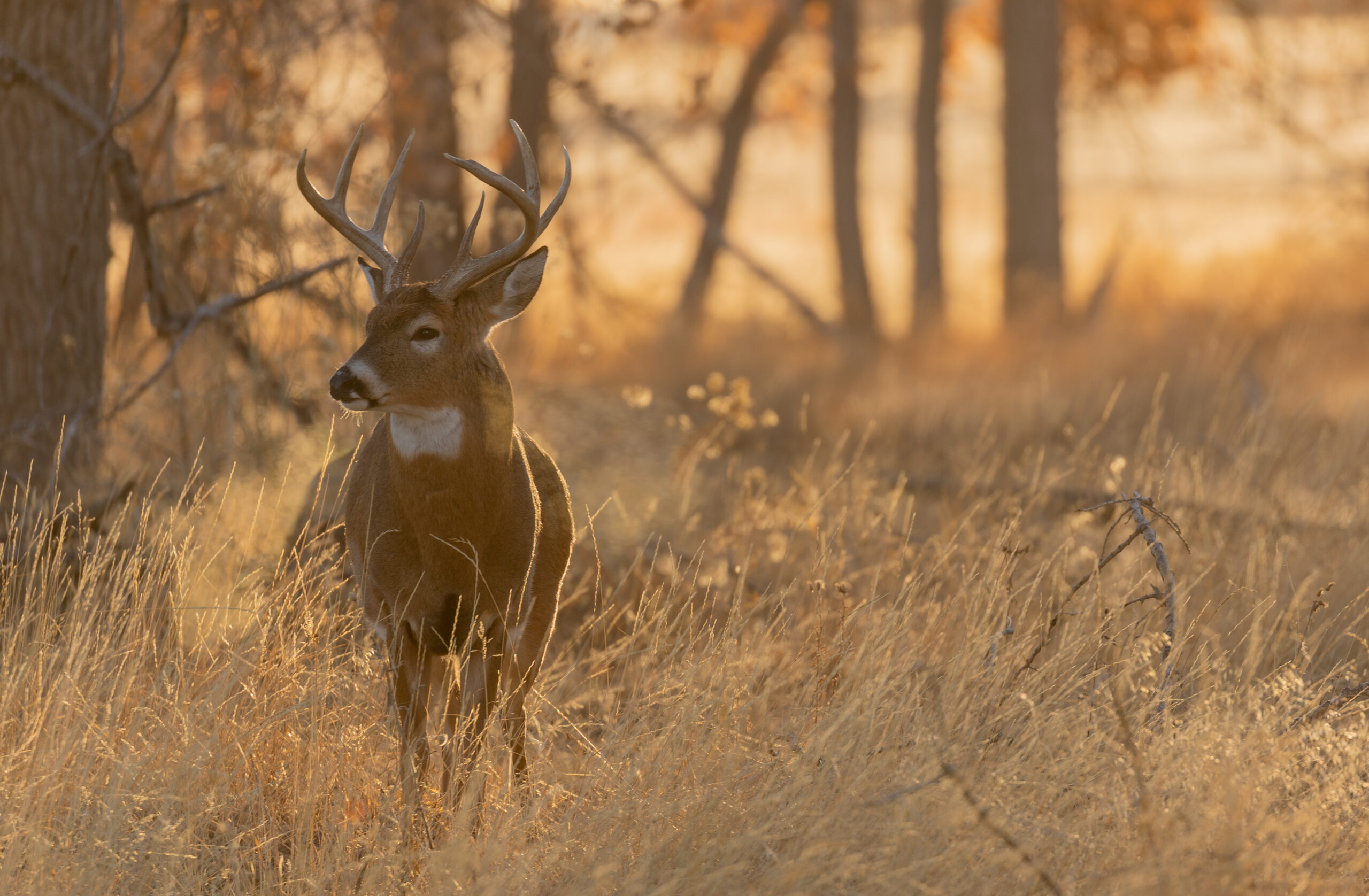
Best time to hunt whitetail deer? Discover proven times bucks move, weather and moon tips, and tactics for mature bucks. Read now and plan your most successful hunt.
If you are chasing a mature buck, timing is everything. Whitetails move most when light, weather, pressure, and season all line up. Knowing the best time to hunt whitetail deer will help you pick the right stand, the right wind, and the right day to make your move. At Cedar Ridge Whitetails in southern Illinois, our guides study deer movement every day across mature timber, pine and cedar thickets, thick draws, cornfields, and food plots. This field time has taught us one clear lesson. The clock you follow for a spike is not the same clock a heavy, wide-racked buck follows. In this guide, we break down when bucks move, how weather and moon can help or hurt, and how to turn time into tags.
Understanding Daily Deer Movement
Whitetail deer are most active during low light. They move at dawn and dusk on a daily schedule tied to feeding and security. Does move on a more routine rhythm. Mature bucks are different. They limit daylight travel to safe routes, and they adjust for wind and pressure. That is why the best time to hunt whitetail deer is not one fixed hour. It changes by season and conditions. Your strategy must change too.
In general, evening hunts favor early season and late season when bucks feed heavily. Morning hunts get better in the pre-rut and rut when bucks return late from night loops or push does at first light. Midday hunts matter most during peak rut when bucks cruise between doe bedding areas. If you line up timing with wind and access, you can turn a good sit into your best sit.
Best Time to Hunt Whitetail Deer by Season
Early Season: Late Summer to Early Fall
In early season, the best time to hunt whitetail deer is the last hour of light. Bucks stay on food-to-bed patterns. They often enter fields with only minutes to spare before dark, especially if there is any hunting pressure. Focus on staging areas just inside cover. Inside corners, oak edges, and the first 40 yards inside a corn or bean field are money spots. Mornings can be risky because you can bump deer going back to bed. If you do hunt mornings, slip in well before first light and set up downwind of known bedding in thick cover like cedar or pine. Expect limited movement early, then a brief burst as the first sun hits the treetops and deer finish slipping to bed.
For early season success at Cedar Ridge Whitetails, our guides scout lush food plots, the shaded edges of cornfields, and trails connecting thick draws to feed. When a cold morning follows a hot stretch, you can steal a solid hour of early movement, but evenings still tend to rule this phase.
Pre-Rut: The Shift
As October rolls on, bucks start to check scrapes and observe doe groups. The best time to hunt whitetail deer expands into mid-morning. From first light to about 10:30 a.m., mature bucks loop to monitor scrapes and scent check bedding edges. Evenings remain good as acorns drop and fields draw deer before dark. Watch the wind and hunt scrapes on the downwind side of doe travel. Think transitions where timber meets cover, or where pine and cedar thickets touch a hardwood ridge. Light calling can spark curiosity. A soft grunt followed by silence often draws a mature buck into bow range.
At Cedar Ridge Whitetails, diverse habitat helps us tailor sits. On a breezy morning, a stand on the leeward side of a ridge or near a cedar thicket can be deadly. Use a crosswind that favors you but still makes a buck feel safe.
Peak Rut: All Day Opportunity
During peak rut, the best time to hunt whitetail deer is whenever you can be in the stand. Bucks travel to find does, and they will cover ground far from normal patterns. Midday often shines. From 10 a.m. to 2 p.m., bucks slip through funnels, downwind of doe bedding areas. Dawn and dusk still produce, but do not leave the stand early. If you plan only one all-day sit each year, do it when you start seeing fresh chasing or when a cold front kicks the woods into gear.
We often hang stands over pinch points between thick draws and bedding cover. In our timber, saddles and narrow necks force deer through tight gaps. Set up with a steady wind, pack food and warm layers, and settle in for the long haul.
Late Season: Food Rules the Clock
Late season piles deer onto the best groceries. The final hour of daylight becomes the prime time again, especially after a snow or a sharp drop in temperature. Cornfields and standing food plots can turn into evening highways. If you get a single sunny day after a cold snap, you can also see a mid to late morning warm-up movement near bedding cover. In strong wind or bitter cold, deer save energy until just before dark.
At Cedar Ridge Whitetails, we pattern groups of does on steady evening routes and then time our sits for the mature buck shadowing them. Quiet access is key. Use terrain and cover to slip into stands without spooking the field. When the mercury drops, dress for success so you can stay still during that magic last half hour.
Weather Windows That Stack the Odds
Cold Fronts and Temperature Drops
A real cold front is a green light. The best time to hunt whitetail deer around a front is the evening as the front moves through, and the next morning after the front when skies clear and temperatures settle. A 10 to 20 degree drop wakes up the woods. In early season, that can turn a slow field edge into a parade. In rut, it can push midday cruisers on their feet. Watch for the first calm evening after the wind howls. That is often the best single sit of the week.
Wind Direction and Speed
Wind is the rule maker. Mature bucks travel with the wind in mind. Many use a crosswind to scent check downwind edges of cover. Your stand should use this to your advantage. Set up so the wind brushes the edge of a buck trail but keeps your scent just off the main route. If the wind is wrong, skip the sit or move to a different stand. At Cedar Ridge Whitetails, we hang multiple options around bedding and feeding areas so we can pick the right tree for the wind. On windy days, deer often hug leeward sides of ridges and drop into thick cedar to escape the blow. Aim your sits there.
Barometric Pressure
Many hunters believe deer move more on a rising barometer after a front. We see a slight edge when pressure climbs into the 29.9 to 30.3 range. Pressure alone does not create a miracle hunt, but paired with cooling temps and a steady wind it helps. If you are choosing between two evenings, take the one with a fresh rise in pressure after a front.
Cloud Cover and Light
Cloudy evenings can stretch usable light in the timber and bring deer out a bit earlier. Bright bluebird days after a front often push strong morning movement. Foggy mornings can delay deer, which sometimes creates a burst when fog lifts.
Moon Myths and Helpful Cues
The moon does not control the rut dates, and it will not turn noon into primetime by itself. That said, bright full-moon nights can shift a little more visible activity to mid-morning. We also watch overhead and underfoot times as a small tie-breaker. If those times match with dawn, late morning, or dusk and you have good weather, it can be a nice bonus. Let weather and wind make the call first, then use moon cues to pick between similar options.
Terrain Tactics at Cedar Ridge Whitetails
Our preserve in southern Illinois blends mature timber, pine and cedar thickets, thick draws, cornfields, and well-planned food plots. That mix lets us match stand locations to the best time to hunt whitetail deer on any given day.
Morning Stands: Bedding Edge Advantage
Set up on the downwind edge of bedding in cedar or pine thickets, or on leeward ridge trails worn smooth by cautious bucks. Enter well before first light along quiet routes like creek ditches or field edges. If you can get tight without bumping deer, your odds go way up during pre-rut and rut mornings.
Midday Rut Funnels: Saddles and Draw Crossings
Hang stands in narrow timber necks, saddles, and draw crossings that link doe bedding areas. Bucks traveling at midday will take the path of least resistance. Keep your wind sliding across the funnel rather than blowing straight down it.
Evening Ambush: Inside Corners and Staging Cover
Pick inside corners where timber bites into a field, or a brushy staging area 30 to 60 yards off a food plot. In late season, we love a stand where deer can stage in cover before stepping to corn or plot edges. Those stands shine in the last 45 minutes of light.
Mature Buck Pressure and Smart Access
Older bucks survive by dodging people. They shift movement times when pressure rises. You counter that by picking stands that match the wind and by using clean entry and exit routes that avoid bumping deer. Scent and sound matter. Cedar Ridge Whitetails guides often plan routes that use terrain breaks and cover to stay hidden. Little details add up when the window is only a few minutes each day.
Quiet Entry and Exit
Trim minimal branches, carry your bow or rifle low, and take slow steps. Use water or soft ground when possible. Leave stands with the wind in your face so your scent does not wash across feeding deer. Evenings require extra caution. Wait for the field to clear if needed, or have a buddy drive past in a vehicle to gently move deer without alerting them to human danger.
The First Sit Effect
The first time in a fresh stand is often the best. Deer have not patterned you yet, and your entry trail is clean. Use that first sit on a day with a weather edge. Many clients at Cedar Ridge Whitetails tag on the first or second sit at a well-placed stand because timing and access were right.
Gear and Setup That Support Perfect Timing
Trail Cameras and Patterning
Use trail cameras to learn when bucks hit scrapes, walk staging areas, or enter fields. Track time stamps by weather and wind. You may notice a buck shows 30 minutes before dark on cloudy evenings or 9 a.m. on calm post-front mornings. Our guides at Cedar Ridge Whitetails rotate cameras based on sign so fresh data guides each sit.
Comfort for Long Sits
Layer smart so you can sit still when the best times arrive. Hand warmers and a quiet seat cushion make a big difference in late season. In peak rut, plan snacks and water for all-day hunts. Movement kills chances more than cold, so dress to stay motionless.
A Sample Day Timed for Success
- Before dawn: Slip into a stand on the downwind edge of bedding with a crosswind. Be settled 45 minutes before first light.
- First light to 9 a.m.: Watch for late-returning bucks skirting bedding cover. Stay quiet. Short grunt only if you see the deer and wind is right.
- 9 to 11 a.m.: If it is pre-rut or rut, stay put or move to a funnel stand carefully. Bucks may loop to check scrapes.
- Midday: During peak rut, hold the funnel. On non-rut days, rest the woods and plan the evening entry.
- Afternoon: Enter an inside corner or staging stand early. Beat deer to the edge. Keep wind off the field.
- Last light: Be ready. Do not fidget or glass with big movements. Draw or shoulder only when the buck commits.
- Exit: Wait for deer to clear or use a quiet, hidden exit. Keep tomorrow’s hunt in mind.
Common Timing Mistakes to Avoid
- Forcing a sit with a bad wind because the calendar says go
- Hunting mornings too close to food in early season and bumping deer
- Leaving the stand at 10 a.m. during rut when cruising picks up
- Walking across open fields at prime time instead of using cover
- Ignoring cold fronts or hunting the wrong side of the front
- Moving too much in the last 10 minutes of light
- Overcalling during calm conditions
Why Hunt With Cedar Ridge Whitetails
Cedar Ridge Whitetails is a family-owned preserve in scenic southern Illinois, built around creating unforgettable hunts. We specialize in guided hunts for trophy whitetail deer on private ground that blends mature timber, pine and cedar thickets, thick draws, cornfields, and food plots. Our hunts are private to your group, so every plan and every sit is focused on your goal. Choose your trophy class, including 170–179 inches, 180–199 inches, or 200 inches and above. Lodging on site makes it easy to rest between prime morning and evening hunts. Our guides live for timing. We watch the weather, track the wind, study cameras, and put you where the odds are best. The result is a thrilling, personalized adventure with a real chance at the buck you dream about.
FAQs About the Best Time to Hunt Whitetail Deer
What is the single best time of day to see a mature buck?
The last hour of light is most consistent outside of the rut, especially in early and late season. During peak rut, midday can be just as good or better. Always match your sit to the season, wind, and weather.
Is morning or evening better?
Evenings are better in early and late season near food. Mornings are better in pre-rut and rut near bedding. During peak rut, hunt all day if you can. If you must pick one, choose evening outside the rut and morning during the rut.
How much does weather matter?
Weather is a big factor. A cold front, rising pressure, and a steady wind can turn a good spot into a great one. Hot, still days slow movement until dusk. Use weather to pick your best sits.
Do moon phases change the best time to hunt whitetail deer?
The moon does not change rut dates. Bright nights can push some activity to mid-morning, but weather and wind matter more. Use moon times as a small tie-breaker only.
How long should I sit?
In early and late season, a two to three hour evening sit is strong. In pre-rut, add a longer morning sit into mid-morning. During rut, plan all-day hunts in funnels near doe bedding areas.
What stand locations match the best times?
Early season evenings: staging cover near food. Pre-rut mornings: downwind of bedding and near scrapes. Rut all day: funnels between doe beds. Late season evenings: food sources with security cover.
Can Cedar Ridge Whitetails help me pick the right time?
Yes. Our team watches patterns daily and schedules sits around the best times for your target class. We set stands for multiple winds and use quiet access so you can hunt at the right time without tipping your hand.
Plan Your Hunt and Time It Right
The best time to hunt whitetail deer is the moment season, weather, and wind all align. Anchor your plan to the season. Layer in the right stand for morning, midday, or evening. Watch for cold fronts, pick a clean wind, and commit to staying put when the window opens. If you want a guided hunt where timing is part of the plan, Cedar Ridge Whitetails is ready. Book your private guided hunt, choose your trophy class, settle into comfortable on-site lodging, and hunt with confidence in southern Illinois. The clock is ticking toward your best sit. Let us help you make it count.

Leave A Comment