

Why Illinois Draws Hunters From Everywhere
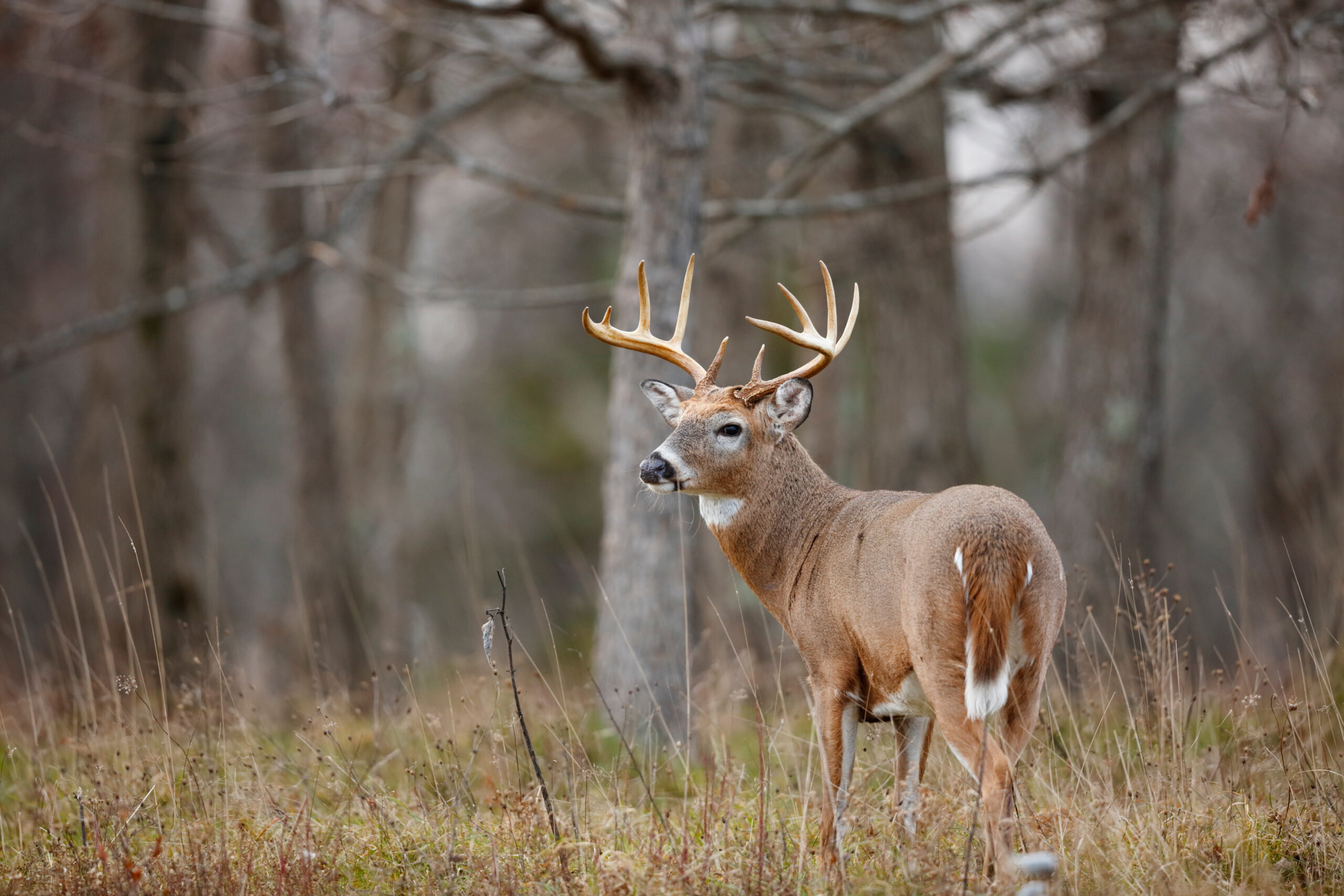
Whitetail deer hunting Illinois has a legendary pull. The Land of Lincoln grows big-bodied, big-racked bucks, and the stories travel far. Corn and soybeans pack nutrients into local herds, river bottoms offer cover, and classic oak ridges add a wild heartbeat that keeps blood pumping. For many traveling hunters, the dream is simple. Punch a tag on a mature Midwestern whitetail and bring home a memory that gets told around the campfire for years.
Southern Illinois in particular brings a mix of beauty and challenge. You will find rolling hills, thick cedar pockets, and hardwood timber rising out of farm country. At Cedar Ridge Whitetails, a family-owned hunting preserve set in this scenic region, that blend comes together in one private reserve. The land includes mature timber, pine and cedar thickets, thick draws, cornfields, and food plots. Put it all together and you have a playground where deer act like deer, and hunters get the thrill they came for.
The Big Surprises First-Time Visitors Face
The Terrain Is Not All Flat
Many out-of-state hunters picture endless flat fields. Then they hit southern Illinois and find hills, cuts, and narrow draws that twist the wind and shelter cagey bucks. The terrain funnels movement more than expected. Trail crossings pop up in tight places, and the best stands often sit along edges where thick cover meets crops. Cedar Ridge Whitetails leans into this variety. Guides place you where elevations and edges meet, which lets you hunt smarter, not harder.
Whitetails Pattern Crops, Not Just Timber
In Illinois, food is king. Bucks travel between bedding cover and the nearest high-value food source. That could be cut corn, green food plots, soybeans that still hold green leaves, or mast in the timber. Many newcomers hunt too deep in the woods and miss the edge movement that happens early and late. Smart setups focus on food lines and staging areas. Cedar Ridge Whitetails manages food plots that draw deer during daylight, which gives archery and firearm hunters better shot windows.
Weather Whiplash
One day can be warm and calm. The next day can swing cold, wet, and windy. These flips can shock hunters used to steady conditions. Illinois weather has a way of turning the plan upside down, so pack layers and bring rain gear. The wind will tell you where you can sit. The good news is that pressure changes and cold fronts often kick deer into daylight. At Cedar Ridge Whitetails, guides move hunters based on current wind and weather, which helps you maximize each sit.
Deer Density Versus Age Class
Some visitors expect to see elite bucks every hour. Illinois has great genetics, but mature deer do not parade on command. You may see plenty of does and younger bucks, then a single older warrior slides through for one quick shot. That moment is the whole game. It takes patience, a trusted stand location, and confidence to wait him out. One benefit of a guided hunt at Cedar Ridge Whitetails is targeted sits where known age-class bucks travel.
Hunting Pressure and Access
Public land can stack up with hunters during the rut, and small private parcels might see heavy traffic. Access is the real prize. You need quiet entries and exits, clean wind, and stands that are not burned out by constant human scent. Many travelers find that a private reserve eliminates guesswork. Cedar Ridge Whitetails gives your group exclusive access to the ground you will hunt, which keeps spots fresh and deer relaxed.
Tagging, Seasons, and Rules Feel Different
Every state has its own process, and Illinois is no different. Weapon types vary by season, and permits have specific windows. Some permits are available first come, first served, while others may go through a lottery. Nonresidents should review current rules with the Illinois Department of Natural Resources before they buy anything, then lean on their outfitter for planning. Cedar Ridge Whitetails helps guests understand dates, permits, and best timing so you spend more time hunting and less time sorting out paperwork.
Rut Timing and Tactics
Illinois rut activity can heat up fast, stall during warm spells, then erupt again when the weather turns. The pre-rut push often brings great daylight movement. Rattling and calling can work, but subtle pressure is key. In big farm country, bucks cruise edges and follow doe groups near food. Cedar Ridge Whitetails times hunts to these surges, and the private reserve means bucks are more responsive to calling because they feel less pressured.
Wind Direction Rules Everything
Wind shifts across open fields and around wooded draws. That can trick even seasoned hunters. In Illinois, hunt the wind, not your calendar. It is better to sit a secondary stand with the right wind than to blow a prime spot with the wrong one. The staff at Cedar Ridge Whitetails builds stands with entry and exit routes that match common winds, which keeps your scent out of core movement zones.
Shots Are Closer Than Western Hunts
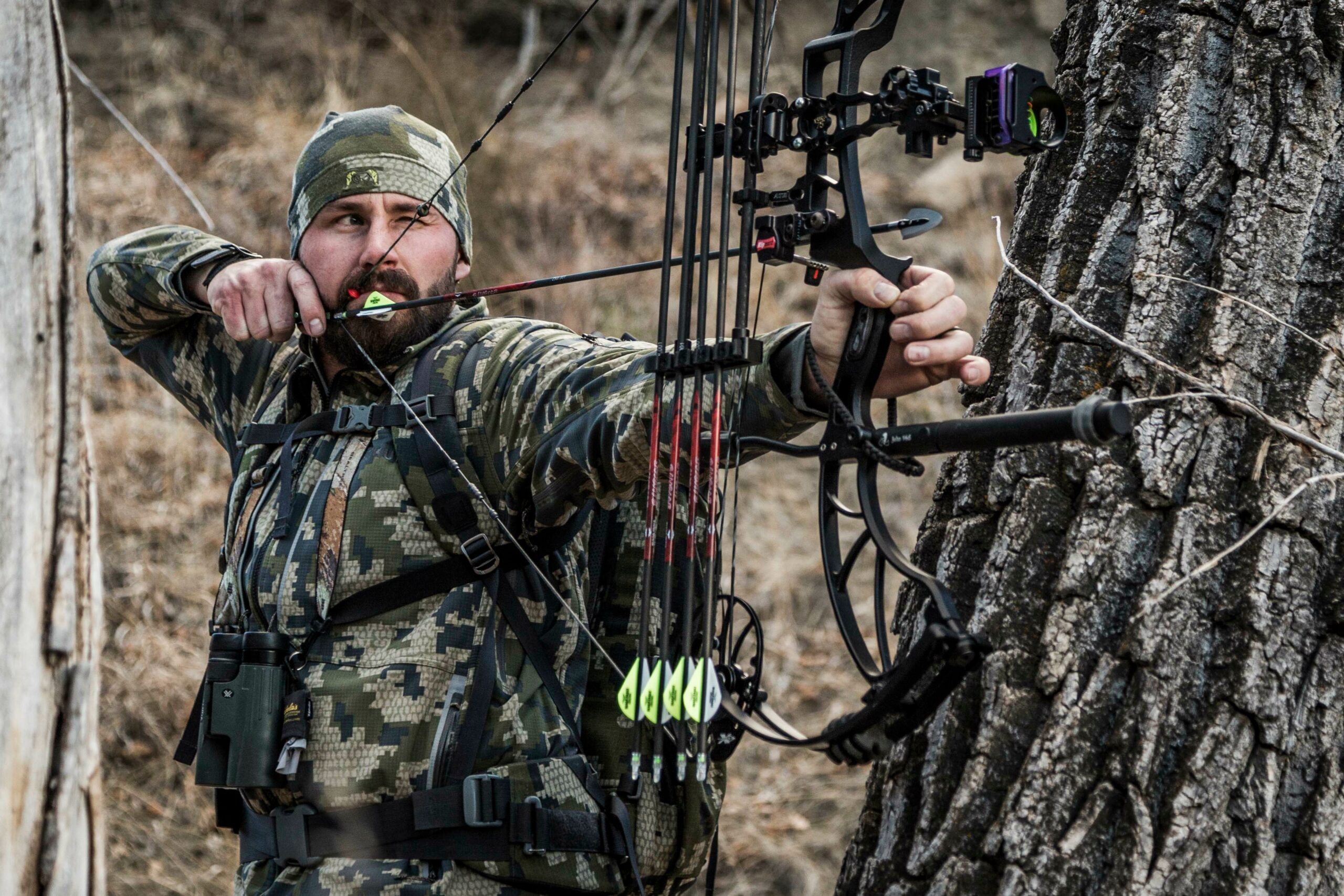
If you are used to long-range shots out West, Illinois will surprise you. Many rifle or shotgun shots in whitetail cover run 30 to 120 yards. Archery shots might be 20 to 40 yards. Edges, cover, and changing winds reward patience and tight shot windows. Your guide at Cedar Ridge Whitetails will set you up for ethical angles that match your weapon and skill level.
Mud, Stickers, and Burrs
Thorns and sticky seeds cling to pants, and southern soils can turn to boot-sucking mud after rain. Simple upgrades like knee-high rubber boots, gaiters, and brush-resistant outerwear save time and energy. A little prep keeps your walk quiet and makes your sit more comfortable.
Insider Tips To Beat the Surprise and Tag Your Buck
Scout With Purpose
Scouting in Illinois is about finding where food meets cover and how deer use the wind to travel between them. Look for fresh sign, not just old rubs or last week’s tracks. Focus on edges that have both security and feed.
- Watch field edges during the first and last hour of light.
- Identify trails that parallel the wind, not just straight lines between bedding and food.
- Use aerial maps to find narrow draws and finger ridges that pinch movement.
- Place trail cameras to confirm daylight use on private ground where it is allowed.
- Let your outfitter walk you through current patterns. Locals shave months off your learning curve.
Gear for Illinois Conditions
- Knee-high rubber boots for mud and scent control.
- Quiet, layered clothing for big temperature swings.
- Rain gear that moves with you, not loud plastic.
- Treestand safety harness and a pull-up rope.
- Rangefinder for precise shots in tight timber and edges.
- Grunt call and a soft rattling setup for the right days.
- Fixed blade or proven mechanical broadheads tuned to your setup.
- Gloves and a hand muff for long sits with a cold north wind.
- Headlamp with a red or green mode for stealthy entries and exits.
Play the Agricultural Calendar
Harvest timing drives movement. Deer feed on waste grain after combines roll, and food plots can pop with activity once nearby fields are picked. Glass in the evening to see where deer prefer to enter fields, then set up downwind of those trails. Cedar Ridge Whitetails plants food plots and monitors crop stages, which lets you hunt where the next wave of movement is about to break.
Master the Stand Entry and Exit
A perfect stand is worthless if you alert deer walking in. Plan your route with wind, noise, and sightlines in mind. Use creeks or low ground to hide your approach. If deer might be in the field at dark, backdoor out through cover to avoid bumping them after shooting light.
- Study the wind hour by hour for your entry and exit.
- Approach in the shadows of timber, not across open fields.
- Clip low limbs ahead of time with permission to avoid last-minute noise.
- Leave early if wind shifts and your scent starts blowing into prime trails.
Call Like a Local
Illinois bucks respond to realistic sequences. Try short grunts that sound like a cruising buck. Rattle light to medium during the pre-rut. When pressure rises, use calls sparingly. Cedar Ridge Whitetails guides cue you when to call and when to wait. That timing can make the difference between a stare-down and a committed approach.
Plan for Processing and Transport
Know how you will handle meat, capes, and antlers before you hunt. Rules about moving deer parts can change, especially in areas with CWD restrictions. Many hunters debone meat and freeze it for travel. Check current regulations with the state and talk to your outfitter about local processors and taxidermy options. Cedar Ridge Whitetails can point you to trusted services so your trophy travels home the right way.
Go Guided When Time Is Tight
If you only have a few days in the Midwest, a guided hunt removes guesswork. Cedar Ridge Whitetails gives you access to ground that hunts big, stands that are placed for current winds, and strategies tuned to the exact phase of the season. You hunt, they handle the rest.
- Private guided hunts that are exclusive to your booking party.
- Trophy classes to match your goal: 170 to 179 inches, 180 to 199 inches, or 200 inches and above.
- On-site lodging for comfort and convenience between sits.
- Diverse habitats that hold deer all season long.
What Makes Cedar Ridge Whitetails Different
Cedar Ridge Whitetails blends family values with serious whitetail opportunity. The team lives for crisp mornings, frosty leaves, and the moment antlers flash through brush. They also understand that whitetail deer hunting Illinois is as much about the experience as the final grip and grin. You come to hunt hard, learn fast, and make memories that last.
Diverse Habitat That Hunts Big
- Mature timber that drops acorns and provides quiet travel lanes.
- Pine and cedar thickets that offer secure bedding cover.
- Thick draws that funnel deer into archery range.
- Cornfields that feed deer and create classic edge movement.
- Food plots staged for daylight use and changing winds.
Trophy Opportunities You Can Target
Every hunter has a goal. Cedar Ridge Whitetails builds hunts around that target. Choose from trophy classes of 170 to 179 inches, 180 to 199 inches, and 200 inches and above. That clarity helps you decide when to pass and when to shoot. Your guide will coach you on age and score in the moment so you can make a confident decision.
Private, Focused, and Safe
Your group has the reserve to yourselves. That privacy keeps deer calm and lets guides adapt without worrying about other hunters bumping stands. Safety is a core value. Guide teams check stands, monitor winds, and plan entries and exits so you can focus on the hunt and the shot.
Comfortable Lodging and Camp Vibes
On-site lodging at Cedar Ridge Whitetails means you wake up close to the action and rest well after long sits. It is easy to regroup at midday, change layers, review trail camera pics, and set a plan for the evening. The camp feel is real. You swap stories, study maps, and build a plan that fits the next push of movement.
Sample 4-Day Plan for Out-Of-State Hunters
- Day 1: Travel, settle into lodging, and meet your guide. Confirm zero on your weapon. Glass edges at last light to see where deer enter fields. Discuss wind for the morning.
- Day 2: Pre-dawn entry to a downwind edge with fresh sign. Sit until midday if movement stays steady. Midday break. Evening hunt a staging plot with better cover and a quiet exit route.
- Day 3: Adjust based on sightings and wind. If a mature buck skirted low, shift 50 to 100 yards to catch the trail he prefers. Rattle lightly if conditions line up. Stay patient through last light.
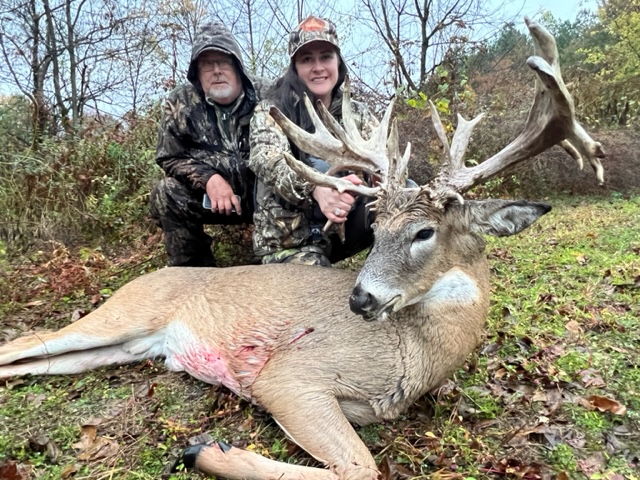
- Day 4: Make your best move. Hunt the freshest sign with a perfect wind. If a cold front hits, sit all day. After success, handle photos, field care, and meat logistics with help from your guide.
Common Misconceptions About Illinois Whitetails
- It is all flat cornfields. Southern Illinois has hills, draws, and thick cover that hunt like big timber.
- Every buck is a giant. Yes, big deer live here, but mature bucks still demand patience and smart sits.
- You need long-range shots. Most ethical shots are close and fast, especially on edges and inside timber.
- The rut is the same statewide. Local pressure, weather, and crops can shift patterns by days or even weeks.
- Scent control is optional. Wind and access are everything. Sloppy entries blow spots for days.
- Apps replace boot leather. Digital scouting helps, but fresh sign and local eyes matter most.
Frequently Asked Questions
When is the best time to hunt Illinois?
Late October through mid November is classic rut time and delivers strong daylight movement. Early October cold fronts can be great, and the late season after firearm pressure can bring big deer to food during cold snaps. Watch the weather, then go when fronts line up with your schedule.
Do I need to draw a tag?
Illinois uses different systems for different seasons. Some permits may be available first come, first served, while others run through a lottery. Always check the latest rules with the Illinois Department of Natural Resources. If you book with Cedar Ridge Whitetails, the team will help you understand the steps so you stay legal and on time.
What weapons are legal?
Legal weapons vary by season and may include archery equipment, shotguns, muzzleloaders, and certain rifles that meet state guidelines. Regulations can change. Review current details with the state before your hunt, and confirm with your outfitter to match stands and shot distances.
How should I ship antlers or capes home?
Many hunters freeze capes and debone meat before travel. Follow current rules on transporting deer parts, especially in areas with CWD restrictions. Cedar Ridge Whitetails can recommend local processors and taxidermy services that prepare trophies for travel or shipping.
Ready to Hunt Illinois the Right Way
Whitetail deer hunting Illinois will always hold a few surprises. That is part of the thrill. The wind shifts, the leaves crackle, and a heavy-bodied buck slides from cover as the sun burns the horizon. If you want that moment to go your way, come prepared and hunt with a team that lives here. Cedar Ridge Whitetails offers private guided hunts, trophy-class opportunities, and on-site lodging in a diverse southern Illinois reserve built for success. Reach out, pick your dates, and step into a hunt that feels as wild as it does welcoming. Your Illinois whitetail story is waiting.
Leave A Comment