

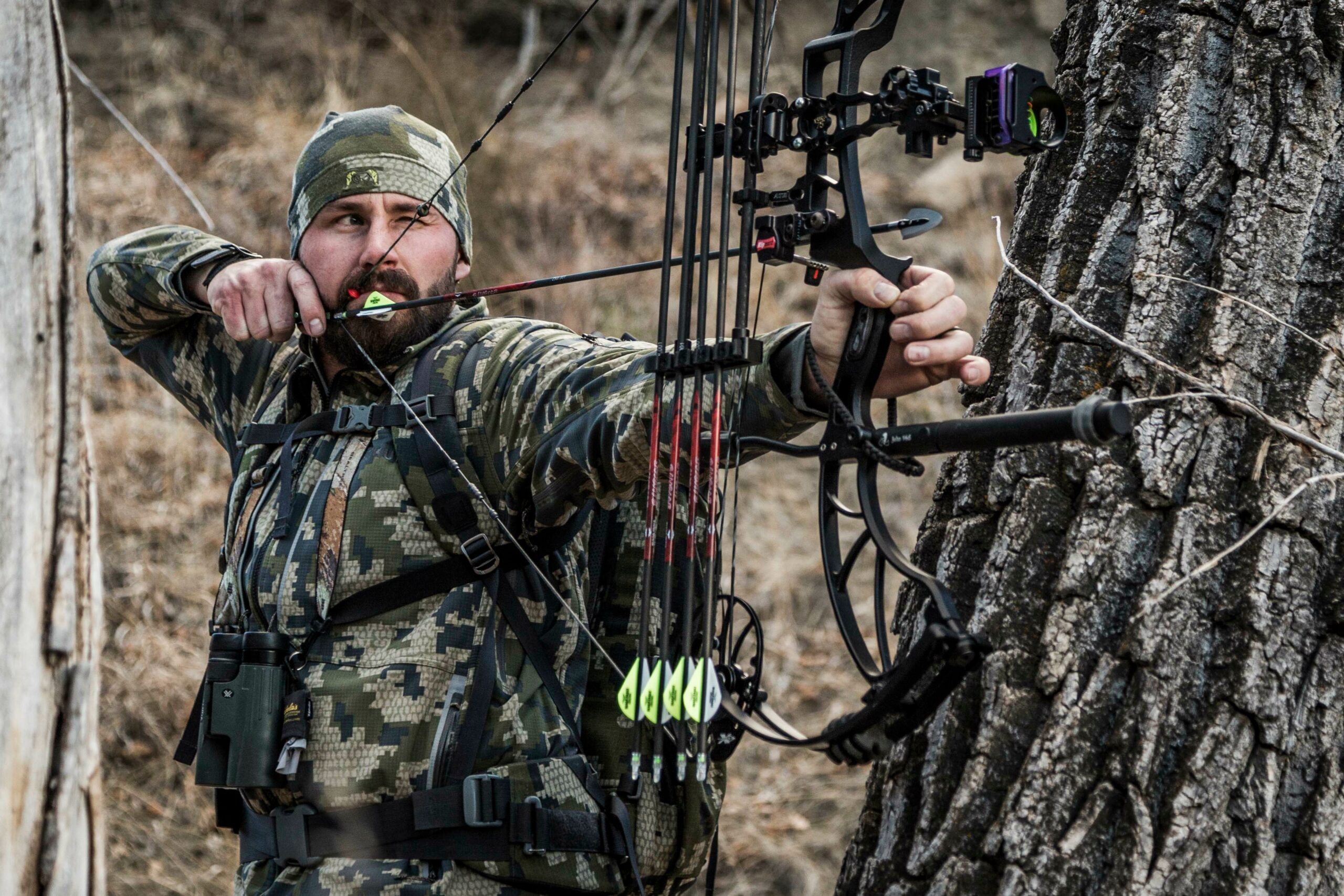
The Thrill and the Shakes When a Big Buck Steps Out
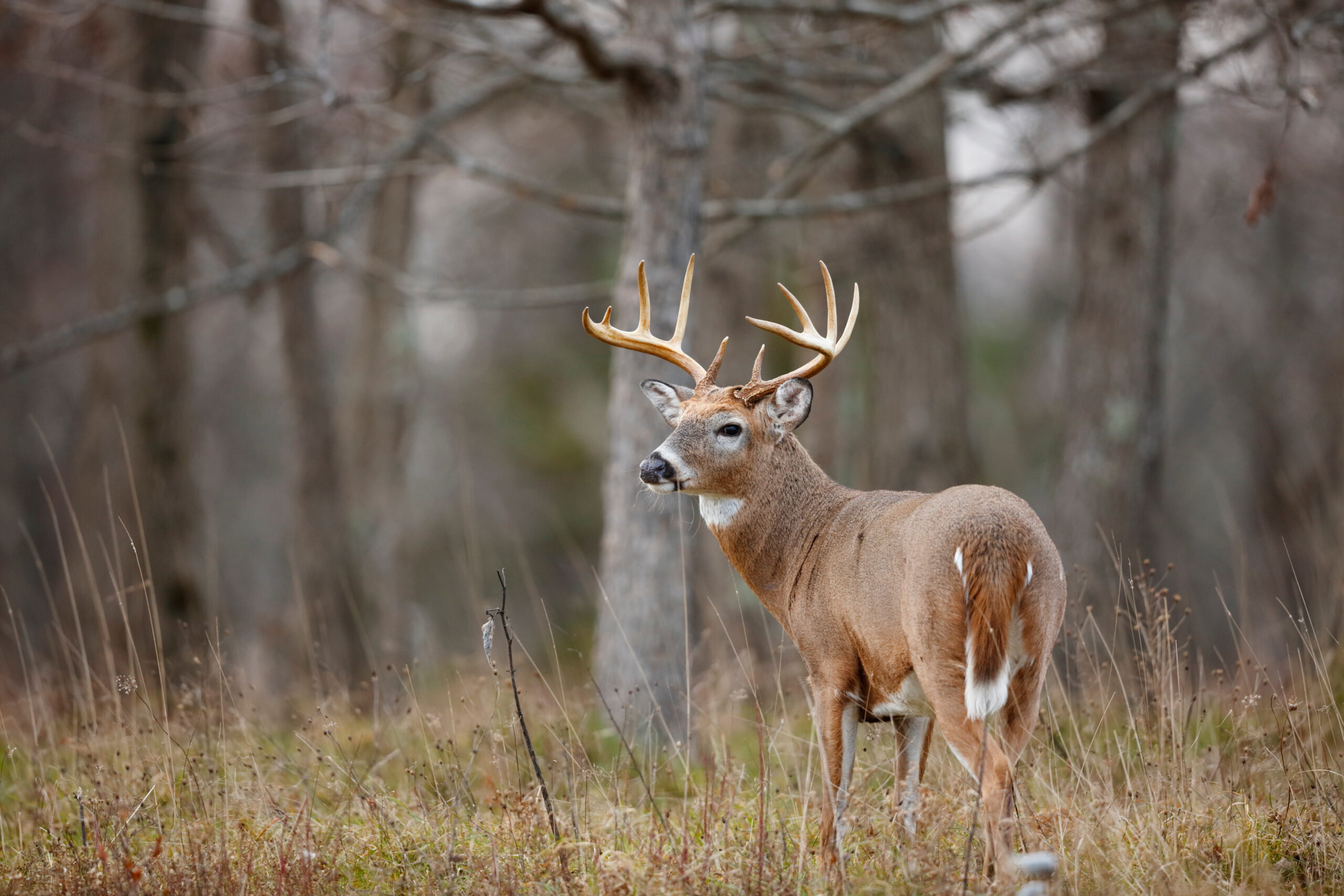
Your heart jumps. Your breath catches. The brush parts and a big buck eases into the open, neck thick, tines gleaming. This is the moment you came for, the one that plays in your head all summer. It is also when many hunters fall apart. Buck fever is real, but it does not have to cost you the shot. With the right prep and a calm plan you can manage your nerves and put a clean arrow or bullet through the lungs. At Cedar Ridge Whitetails in southern Illinois, we help hunters steady up when a giant steps into a lane. Here is how to keep your cool and seal the deal on the deer you have dreamed about.
Why Buck Fever Happens and How to Use It
The Science of Adrenaline
When a big buck shows up your body fires a natural alarm. Adrenaline surges, your pulse races, and your vision narrows. This response is meant to help you act fast. It can also shake your hands and rush your decisions. The key is not to fight adrenaline but to guide it. You want alert focus, not panic. A reliable routine lets your mind switch from surprise to action. Your thoughts move from I cannot miss to I know the steps.
The Hunter Mindset
The best deer hunters do not get lucky on giants by accident. They train a calm mind through repetition and a clear process. They accept the excitement, then ride it like a wave. The difference between a blown chance and a punched tag is often one quiet breath, one pause to check the angle, and one smooth trigger press. At Cedar Ridge Whitetails your guide helps lock in this mindset long before the big buck appears.
Preseason Foundations That Lower Anxiety
Build a Calm Shot Routine
A shot routine is the backbone of cool decisions. It gives your brain a checklist to run when the moment heats up. Practice it until it runs on autopilot. Keep it short, simple, and the same every time.
- Find anchor points. For bowhunters this is knuckle on jaw, nose on string, peep aligned. For rifle hunters it is cheek weld, eye relief, and level crosshairs.
- Confirm target and backstop. Identify the vitals and what is beyond the deer.
- Breathe in, breathe out, then hold gently. Let the pin or crosshair settle.
- Press, do not jerk. Add steady pressure until the shot breaks.
- Follow through. Keep aiming for a beat after the shot.
Get Real With Your Effective Range
Nothing spikes stress like stretching a shot you have not mastered. Set a range you can hit 9 of 10 times in practice. Stick to it when the big buck shows up. Confidence grows when you stay honest with yourself.
Reps Under Mild Stress
Simulate pressure at home. Do 10 jumping jacks, then draw and shoot. Use a timer to shorten your window. Wear gloves, bulky layers, and your harness. When your gear and body feel clumsy you learn to steady up fast. At Cedar Ridge Whitetails we encourage hunters to test their routine at our range before the first sit.
Wind, Access, and Scent Discipline
Control what you can. Good access makes you feel in control as you slip into a stand. Wind plans let you trust your setup. Reduce scent by washing gear, storing it clean, and using careful entry routes. When you know your plan is solid your nerves settle before daylight.
Fit and Familiarity With Your Gear
Quiet confidence comes from gear that fits like a glove. Adjust your bow draw length and let off. Sight in with your hunting broadheads. For rifles, confirm cold bore zero and practice from field rests. Load and unload in the dark until it is second nature. Smooth reps build calm thoughts.
Mental Training for the Moment of Truth
Visualization That Works
Every night, picture a big buck stepping out. Imagine the sound of leaves, the weight of your release or rifle, the breath you take, and the sight picture you need. Walk through your routine in your head. See the arrow or bullet hit the crease, then watch the deer bolt, wobble, and fall. Your brain stores these scenes. When the real scene happens you feel like you have already been there.
Breathing Control
Breathing is the fastest way to slow a racing heart. Try this pattern when you spot antlers: breathe in for four counts, out for six counts, then one more slow breath in and out. On your exhale settle the pin or crosshair. This keeps fine motor control and clears tunnel vision.
Reset Words
Pick a short phrase that brings you back to the plan. Examples are smooth and squeeze or pin to pocket. Repeat it softly in your head when a big buck appears. This nudges your brain away from panic and toward your routine.
Reframe the Pressure
Do not tell yourself do not miss. Say do the steps. Missing is rare when the steps are strong. Hunters at Cedar Ridge Whitetails learn to see pressure as a signal to focus, not a warning to fail.
In-Stand Strategies When a Big Buck Appears
Freeze, Then Flow
When you first see the deer, freeze. Do not grab your bow or rifle right away. Watch his body language. Note the wind, angle, and lanes. When his head passes behind a tree or his eyes move away, start to flow into position. Slow and smooth beats fast and jerky every time.
Pick a Single Aim Point
Do not aim at the deer. Aim at a tiny spot on the crease behind the shoulder. If he is quartering away, aim for the off-side leg. If he is quartering to you, wait. Choosing one dot of focus clears the noise in your head.
Know When to Stop Him
For bowhunters, a short mouth bleat can stop a walking deer. Use it only when your pin is settled and you are ready to shoot. For rifle shots, you can track a walking buck and break the shot during a step, but many hunters do better if the deer pauses. Plan the stop. Do not call twice.
Reading Body Language
Relaxed ears, slow steps, and a swinging tail mean time is on your side. Stiff legs, ears pinned, and a hard stare mean the clock is ticking. Adjust your pace to the deer, not to your nerves.
Shot Execution Under Real Pressure
Bowhunter Checklist for a Big Buck
- Grip is light with knuckles at a slight angle.
- Anchor points locked and repeatable.
- Bubble level checked and pin settled.
- Breath out, then hold gentle.
- Squeeze release through the shot, do not punch.
- Keep aiming as the arrow leaves.
Rifle Hunter Checklist for a Big Buck
- Solid rest. Use a tree, bag, sticks, or your pack.
- Cheek weld firm and repeatable.
- Parallax and magnification set before the deer arrives if possible.
- Crosshair on the crease, trigger finger on the pad.
- Breathe out and press straight back.
- Follow through and cycle the bolt while staying on target.
Post-Shot Composure and Recovery
Time Discipline After the Shot
Even a perfect shot needs time to work. Mark the last spot you saw the deer. Listen for the crash. If you are unsure of the hit, wait. Rushing into the area can push a wounded deer. At Cedar Ridge Whitetails, guides help call the wait based on the hit, sound, and sign.
Read the Sign Like a Pro
- Bright red blood with bubbles points to lungs and a short track.
- Dark blood can mean liver. Give it time.
- Green or foul smell suggests gut. Back out and wait longer.
- Look for hair type. Short, light hair points to high hits or brisket. Long, dark hair points to low chest or belly.
Track With Intention
Take photos of the first blood, last blood, and bed sites. Mark them on a map. Move slow and scan ahead. If the blood thins, circle in half moons. Bring a light with a warm color tone for night tracks. Teams at Cedar Ridge Whitetails often track together, with one person on the sign and another watching ahead for the deer.
Common Mistakes When a Giant Appears
- Grabbing your weapon too soon and getting picked off.
- Rushing a quartering-to angle that closes off the vitals.
- Punching the trigger when the pin floats.
- Forgetting to check the bubble or canting the bow.
- Stretching beyond your proven range because antlers cloud judgment.
- Trailing too soon and bumping a mortally hit deer into the next county.
How Cedar Ridge Whitetails Helps You Stay Cool
Guides Who Coach You Through the Rush
Cedar Ridge Whitetails is a family-owned preserve that treats your hunt as a personal adventure. Your guide is with your booking party only, so you get full attention. Before your first sit the team reviews wind, access routes, stand height, and shot lanes. They help you rehearse your routine and talk through what to do when a big buck steps out. That coaching pays off when nerves spike.
Diverse Terrain That Offers Smart Setups
The private reserve covers mature timber, pine and cedar thickets, thick draws, cornfields, and food plots. This mix gives you options to match wind and deer movement. Good setups reduce anxiety because you feel in control. When you trust the stand, you can lock in on the shot instead of worrying about swirls and noisy entries.
Trophy Classes to Fit Your Goal
Whether your dream is a heavy 170 to 179 inch deer, a 180 to 199 inch monarch, or a 200 inch and above legend, Cedar Ridge Whitetails offers targeted hunts. Knowing your class goal helps you make fast, calm decisions when antlers appear. You can enjoy the parade of younger bucks while waiting for the one that fits your tag.
Lodging That Keeps You Fresh
On-site lodging means you rest well and keep a steady routine between sits. Great sleep and a hot meal take the edge off your nerves. You step into the morning with a clear mind and ready hands.
A Sample Calm-Hunter Timeline at Cedar Ridge Whitetails
- Arrival day. Unpack, check gear, and shoot a few arrows or confirm rifle zero with a guide present. Review wind and stands across timber, thickets, draws, and food plots.
- Night before the hunt. Visualize two different shot angles. Prep clothing, release, ammo, license, and pack checklist.
- Morning access. Move slow, follow the plan for entry based on wind and terrain. Settle into the stand and run a quick mental routine.
- First deer sighting. Freeze, watch behavior, check lanes. Whisper your reset words.
- Big buck appears. Wait for the head to pass a tree, rise to ready, breathe, confirm aim point, and execute the routine.
- Post-shot. Mark the last sight and listen. Confer with your guide to decide on the wait and approach. Track with discipline.
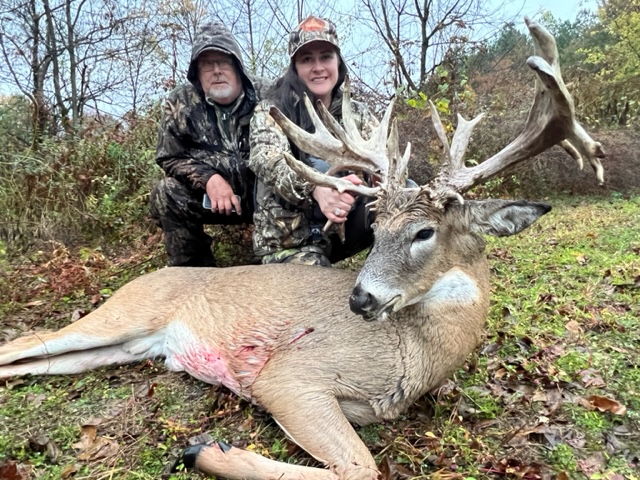
- Grip and grin. Take respectful photos, tag your deer, and relive the moment at the lodge while the story is fresh.
Gear and Practice Checklist to Tame Buck Fever
- Bow tuning or rifle zero signed off with hunting tips or ammo you plan to use.
- Stable rest system. For bow, a quiet drop-away and a bubble level. For rifle, shooting sticks or a pack you know well.
- Quiet clothing that fits while drawing or mounting the rifle. Practice in full layers and harness.
- Release aid or trigger adjusted to a safe, predictable weight.
- Rangefinder with a fresh battery. Practice ranging trees near likely lanes.
- Headlamp with red or green mode for calm exits and blood trailing.
- Flagging tape or small clips for marking blood. Latex gloves and game bags for clean recovery.
- Wind checker to test currents from the stand.
- Notebook or phone notes to record shot distance, angle, and hit location.
- Backup plan for weather shifts, including alternate stands chosen with your guide at Cedar Ridge Whitetails.
Pro Tips to Keep Your Cool When It Counts
- Set micro-goals. Instead of thinking tag the giant, think draw smooth or level the bubble. Micro-goals stack into a great shot.
- Use anchor words. Say settle, spot, squeeze in your head to guide each move.
- Control your eyes. Look at the route to your lanes, not the antlers. Antlers can make your pupils lock wide and spike your heart.
- Let down if needed. A clean letdown and reset can save a shaky shot. Many big bucks give a second window.
- Trust your prep. You practiced for this. Doubt drains focus. Confidence builds accuracy.
Seasonal Notes for Big Buck Encounters
Early Season
Bucks are on food and edges. Heat and insects can nag at your patience. Use shade, quiet clothing, and light gloves to stay still. Short, calm hunts around food plots and cornfields can reveal a pattern without burning energy.
Rut
The rut is thrilling and chaotic. Antlers clatter, grunts echo, and deer move at odd hours. Expect quick windows. Keep your bow or rifle in a ready position more often. Breath control matters. One slow exhale can turn a frantic scene into a great shot.
Late Season
Cold and hunger push deer to food. Your hands can freeze and your breath can fog your sight. Practice with hand warmers and layers. Keep your core warm so your fingers stay nimble. A relaxed body leads to a relaxed trigger.
Why Southern Illinois and Cedar Ridge Whitetails Make the Moment
Southern Illinois blends farm edge with deep cover. Deer grow heavy bodies and tall frames. At Cedar Ridge Whitetails, the mix of timber, pine and cedar thickets, draws, corn, and plots creates natural funnels. These lanes increase your odds of a broadside or quartering-away shot. That is where calm minds and clean hits live. With private, guided hunts for your party alone, the focus stays on you and your goal. The team cares about your story and the memory you carry home. They want your heart to pound with excitement, not regret.
Final Thoughts: Own the Moment on Your Big Buck
Every hunter dreams of the day a big buck steps into range. The shakes are part of that dream. Do not try to erase them. Channel them. Build a simple routine that anchors your mind, practice it under mild stress, and match your setups to the wind. When the deer you want shows up, freeze, then flow. Breathe slow. Aim small. Press clean. Follow through. If you want coaching that keeps you cool from the first scouting chat to the final photo, hunt with Cedar Ridge Whitetails. The team, the terrain, and the plan come together to give you the best shot at the trophy you have waited for. Big buck on the line. Your calm can make the legend real.
Leave A Comment