

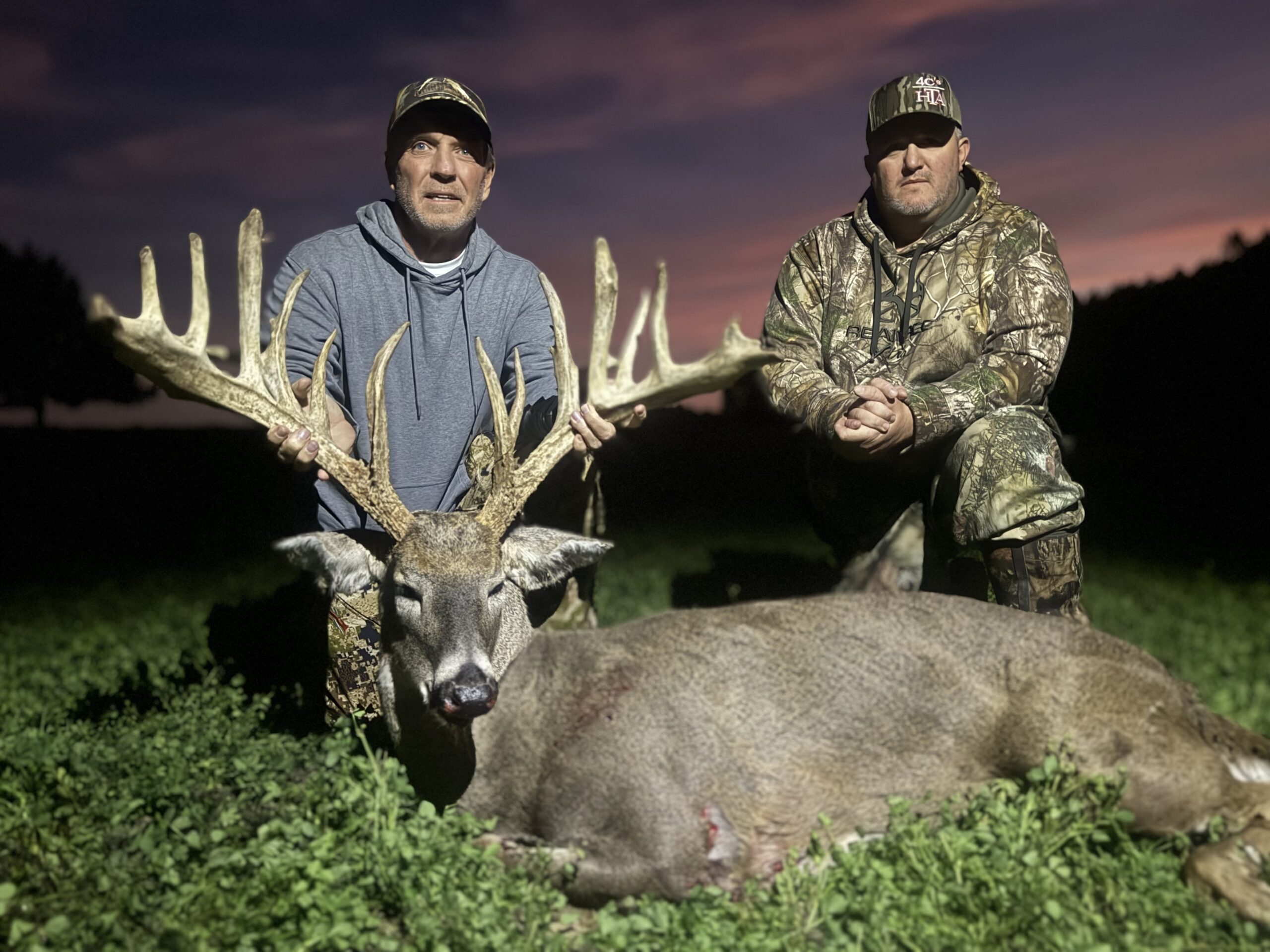
Do You Need a License to Hunt on a Private Preserve?
The question comes up before almost every booking: do I need a license to hunt on a private preserve, or does the preserve take care of all that? It’s a fair thing to wonder, especially if you’ve only ever hunted public land and you’re used to buying your license at the local sporting goods counter without giving it a second thought. Private preserve hunting operates under a different regulatory framework, and the rules can feel murky the first time you encounter them.
Here’s the reassuring truth: for most hunters, the paperwork is simpler than it looks. A licensed preserve like Cedar Ridge Whitetails handles the heavy lift on the operating-permit side, and your job typically comes down to carrying a valid state hunting license. That said, the specifics do vary by state, and knowing what to expect before you travel will save you stress on arrival day. This guide breaks it all down clearly.
The Short Answer: It Depends on Your State and the Preserve’s Permit Status
In most U.S. states, yes, you still need a valid hunting license even when hunting on a licensed private preserve. The preserve’s own operating permit (issued by the state wildlife agency or department of agriculture) does not automatically substitute for an individual hunting license. Think of it this way: the preserve is licensed to operate as a commercial hunting facility, and you are licensed as a hunter. Both licenses need to exist.
That said, what changes significantly on a properly licensed preserve is the tag and season structure. On public land, you apply for tags through a lottery or over-the-counter system, and you’re bound by the state’s open season calendar. On a licensed preserve, the preserve’s operating permit often covers the species-specific tags or replaces the need to hold a standard public-land season tag. This is one of the biggest practical differences between preserve hunting and hunting state ground.
The key phrase here is “properly licensed preserve.” Not every private property that allows hunting is a licensed preserve. A licensed preserve has gone through a formal approval process with the state and is held to specific standards for animal care, record-keeping, and guest documentation. When you’re booking with a legitimate, licensed operation, you’re working within a defined regulatory system, not a gray area.
For context on how the preserve model differs from other hunting formats, see our breakdown of high-fence vs. free-range hunting.
How Private Preserve Licenses Differ From Public-Land Hunting Licenses
When you buy a public-land deer tag in, say, Iowa or Ohio, that tag is tied to a specific zone, season window, and often a lottery draw. Miss the draw, and you’re done for the year. Book too late, and the season may already be closed. Private preserve hunting operates outside that calendar in most states, which is part of the appeal for serious trophy hunters who want to plan their trip on their schedule rather than around a state lottery.
The preserve’s state-issued operating permit is what allows it to offer hunting outside (or alongside) the standard season framework. That permit governs the animals on the property, the record-keeping requirements, and how harvests are documented and reported to the state. It’s a business license as much as it is a wildlife permit, and maintaining it requires ongoing compliance from the preserve operator.
Your individual hunting license, by contrast, is about you. It identifies you as a legally licensed hunter in that state, confirms you’ve met any required hunter education standards, and creates the paper trail that state agencies use for wildlife management data. Even when the preserve’s operating permit handles the tag for a specific animal, most states still want to see that you personally hold a valid license.
This is exactly why first-timers are sometimes surprised: they assumed that paying for a fully guided, all-inclusive preserve hunt meant all the licensing was folded into the package price. The package covers your guide, your lodging, your meals, and your access to the property. The state hunting license is typically your responsibility to obtain before you arrive.
What a Federally and State-Licensed Preserve Handles for You
A properly licensed preserve takes a substantial amount of regulatory work off your plate. Here’s what a state-licensed operation generally manages on the backend so you don’t have to:
- Operating permits: The preserve maintains its own license with the state wildlife or agriculture agency. That permit is renewed annually and is the preserve’s legal authorization to operate as a commercial hunting facility.
- Animal inventory and tagging: Licensed preserves are typically required to track their animal inventory and document harvests in a way that satisfies state reporting requirements. The preserve handles this paperwork, not the hunter.
- Season and species compliance: Because the preserve operates under its own permit structure, it manages the legal framework around what can be pursued, in what timeframe, under what conditions. You don’t need to cross-reference the state’s public-land season calendar.
- Coordination with state agencies: If there are any compliance questions or inspections, the preserve handles that relationship directly.
What this means practically is that you walk in as the guest, carry your valid hunting license, follow your guide’s direction, and the preserve’s own regulatory structure surrounds everything else.
It’s also worth noting that federal oversight is generally not a factor for whitetail deer hunting on private preserves. The U.S. Fish and Wildlife Service, which manages federal hunting regulations, primarily governs migratory birds and federally listed species. For whitetail on a state-licensed preserve, you’re working within state jurisdiction. You can review federal hunting frameworks at the U.S. Fish and Wildlife Service hunting page if you want to understand where federal oversight does and doesn’t apply.
Out-of-State Hunters: What You Typically Need to Bring
Most guests at Cedar Ridge Whitetails are traveling from out of state, and that’s the scenario that raises the most licensing questions. Here’s the general framework for what out-of-state hunters need to understand:
A non-resident state hunting license is almost always required. In Illinois, for example, non-resident hunters must carry a valid Illinois non-resident hunting license. This is not optional, and the preserve cannot waive it on your behalf. The good news is that obtaining an Illinois non-resident license is a straightforward process through the Illinois DNR, and it doesn’t involve a lottery or draw for preserve hunting.
You do not generally need a hunting license from your home state to hunt in Illinois. Your home state license covers you in your home state. When you travel to hunt in another state, you need that state’s non-resident license. Some hunters traveling from states with reciprocal agreements may have different situations, but the default rule is that you buy the license for the state where you’re hunting.
No special federal permits are required for whitetail hunting on a private preserve. Federal migratory bird stamps and similar permits apply to specific species and situations, not to deer hunting on a state-licensed preserve.
Out-of-state hunters planning their first trip will find our guide on what surprises out-of-state hunters in Illinois useful reading before they arrive. Licensing is just one piece of the preparation puzzle.
What to Ask Any Preserve Before You Book
Not all preserves communicate their licensing requirements clearly upfront, and arriving without the right documentation can delay or disrupt your hunt. Before you finalize a booking with any preserve, here are the questions worth asking directly:
- Do I need to carry a state hunting license, or does your preserve permit cover that? The answer in most states will be that you need both, but confirm it specifically.
- Do I need a species-specific tag, or does your preserve permit handle that? This varies by state. Some states issue separate tags for deer even on preserve hunts; others fold that into the preserve’s operating permit.
- Are there any home-state requirements I should know about? Some states require hunters to report harvests made out of state. Ask your home-state agency about this if you’re unsure.
- What documentation should I bring on arrival day? Get a specific list: physical license, digital copy, government ID, and anything else the preserve or state requires.
- What happens if I arrive without the required license? Good preserves have a plan for this, whether that’s directing you to a nearby license retailer or helping you purchase online before you get too far into your travel day.
Asking these questions before you book isn’t being overly cautious. It’s the same due diligence you’d apply to any travel-based experience that involves a legal regulatory framework. A reputable preserve will answer every one of these questions without hesitation.
If you’re new to guided preserve hunts in general, our guide for first-time guided hunt guests covers the broader preparation picture beyond just licensing.
How Cedar Ridge Whitetails Simplifies the Licensing Process for Guests
Cedar Ridge Whitetails is a fully licensed private whitetail preserve in southern Illinois, and part of operating at that level means being genuinely useful to guests on the regulatory side, not just on the hunting side.
Here’s what that looks like in practice. Cedar Ridge holds the state-required preserve operating permits and handles all of the animal inventory, tagging, and harvest documentation that the state requires on the preserve’s end. When you arrive as a guest, the preserve’s compliance infrastructure is already in place. You don’t need to understand every layer of Illinois preserve regulations. You need to show up with your valid Illinois non-resident hunting license and your government-issued ID.
Before your trip, the Cedar Ridge team will walk you through exactly what you need to bring. There’s no guesswork. If you have questions about whether a specific document qualifies, or if your situation is unusual (veterans with special licensing provisions, certain disability licenses, hunters from states with specific reciprocal arrangements), the team can help you sort that out before you book.
Cedar Ridge also coordinates the logistics that can trip up traveling hunters: guidance on where to obtain your Illinois non-resident license if you haven’t done it yet, confirmation of what physical versus digital license formats are accepted, and a pre-arrival checklist so nothing gets left behind. The full hunt experience, from your first call to your last morning at the lodge, is built around removing friction. Licensing is just one more place where that philosophy shows up.
If you have questions about the licensing process before booking, contact Cedar Ridge directly. The team is straightforward about what you need and happy to walk through your specific situation before you commit to a trip date.
For a broader look at what the experience at Cedar Ridge involves from start to finish, see the full hunt experience guide.
Common Licensing Myths First-Time Preserve Hunters Believe
A few persistent misconceptions circulate among hunters who haven’t booked a preserve hunt before. Here’s where the record tends to need straightening:
Myth: The preserve fee covers all your licensing costs. The preserve package covers your guided hunt, lodging, meals, and access to the property. The state hunting license is a separate cost that goes directly to the state. Most non-resident licenses are reasonably priced relative to the overall cost of a trophy hunt, but they’re not included in your package by default. Confirm this with any preserve you book.
Myth: Private preserves operate outside state wildlife jurisdiction. This is false. Licensed preserves operate under a state-issued permit and are subject to oversight by the state wildlife or agriculture agency. They have more scheduling flexibility than public-land hunting, but they’re not a regulatory free zone.
Myth: You only need a license if you actually take an animal. Your license is required to legally participate in the hunt, not contingent on what happens during it. You need to be licensed before you step into the field.
Myth: Out-of-state hunters can use their home-state license. State hunting licenses are state-specific. A Missouri license does not authorize you to hunt in Illinois. You need an Illinois non-resident license for an Illinois hunt.
Myth: If you’ve hunted preserves in other states, Illinois will work the same way. Preserve regulations are set at the state level, and they vary. Always verify the specific requirements for the state where your preserve is located. What worked in Texas or Georgia may not be exactly what Illinois requires.
Understanding these distinctions is part of being a prepared, confident traveler. The first-time high-fence hunting guide on the Cedar Ridge site addresses several of these myths in the broader context of how preserve hunting actually works.
Frequently Asked Questions
Do I need a hunting license to hunt on a private preserve if I’m an out-of-state guest?
Yes, in most states, including Illinois. Out-of-state hunters are generally required to carry a valid non-resident hunting license for the state where the preserve is located. Illinois requires a non-resident hunting license for all hunters regardless of whether the hunt takes place on public or private preserve land. This license is separate from the preserve’s own operating permit and is your personal responsibility to obtain before your hunt date.
Does a licensed preserve take care of the tags and permits, or do I apply myself?
A licensed preserve typically handles the preserve-level operating permit and the animal-specific documentation required by the state on the preserve’s end. In many states, this means you don’t need to apply for a separate public-land deer tag. However, you still need your individual state hunting license. The specifics vary by state, so always confirm with your preserve and check with the state wildlife agency (such as the Illinois DNR) for current requirements before you travel.
Is a private preserve hunt subject to the same season dates as public-land hunting?
Generally, no. One of the key distinctions of hunting on a state-licensed preserve is that the preserve operates under its own permit structure, which typically allows hunting outside the standard public-land season calendar. This gives preserve guests more scheduling flexibility. That said, the preserve’s operating permit defines the allowable framework, so verify specific dates and any restrictions directly with the preserve you’re booking.
What documents should I bring when traveling to hunt at a private preserve?
At minimum, bring your valid state hunting license (the non-resident license for the state where the preserve is located), a government-issued photo ID, and any confirmation or documentation provided by the preserve. Some states and preserves accept digital license copies; others require a physical copy. Ask your preserve specifically what format they and the state require. Cedar Ridge will give guests a clear pre-arrival checklist that covers exactly what to bring.
Are there any federal permits or licenses required in addition to a state license?
For whitetail deer hunting on a state-licensed private preserve, federal permits are generally not required. Federal hunting regulations administered by the U.S. Fish and Wildlife Service primarily apply to migratory birds and federally listed species, not to whitetail deer pursued on a state-licensed preserve. Your state hunting license is the primary credential you need. If you have questions about specific federal frameworks, the U.S. Fish and Wildlife Service publishes current federal hunting guidelines.
What happens if I arrive at the preserve without the required license or tag?
Arriving without a required license is a problem worth avoiding. At Cedar Ridge, the team communicates licensing requirements clearly before your arrival date so this situation doesn’t catch you off guard. If you do arrive without your license, you’ll need to obtain one before heading out, which can be done online through the Illinois DNR or at a licensed retailer. Hunting without a required license is a legal violation regardless of the preserve setting, so don’t assume it’s something that can be sorted out informally on the property.
Can I confirm current licensing requirements before I book my trip?
Yes, and you should. License fees and specific regulatory requirements change annually, so always verify current requirements directly with the Illinois DNR (or the relevant state agency for your preserve’s location) and with the preserve itself. Cedar Ridge encourages guests to reach out directly with licensing questions before booking. The team can walk through your specific situation and make sure you arrive prepared.
The short version: most hunters who come to Cedar Ridge Whitetails need one thing on the licensing side, a valid Illinois non-resident hunting license. The preserve handles the operating permits, the harvest documentation, and the state-required record-keeping on its end. Your job is to arrive with your license, your gear, and your focus on the experience ahead.
Licensing questions are some of the easiest ones to resolve before a trip and some of the most stressful to discover you got wrong on arrival day. Don’t leave that to chance. If you have specific questions about what you need for your hunt at Cedar Ridge, contact the team directly. You’ll get a straight answer, not a runaround, and you can book with full confidence in what to expect.