

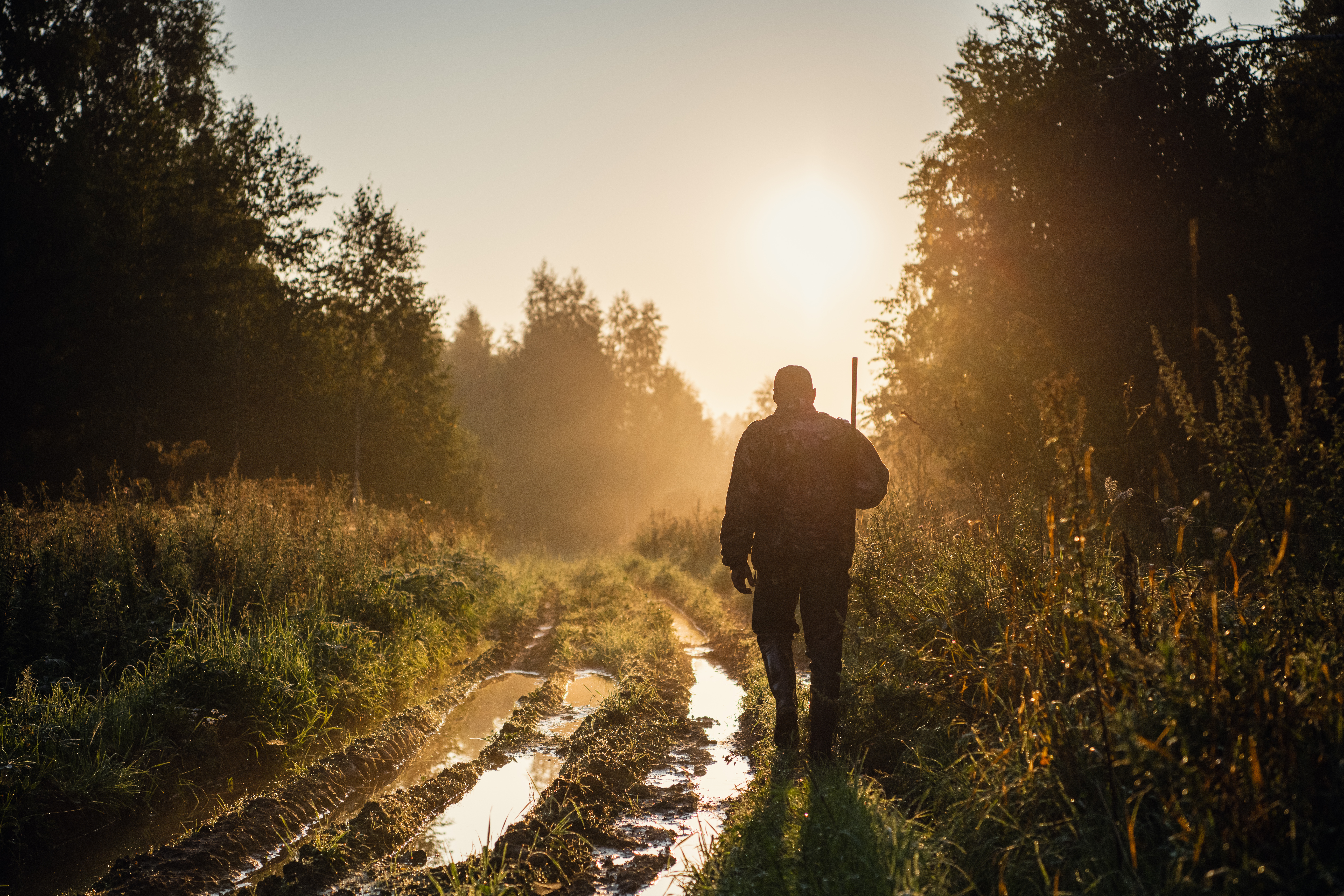
Why Layering Matters From October Through December
Southern Illinois is a hunter’s playground of rolling timber, cedar thickets, pine stands, thick draws, and farm edges. It is also a land of changing weather. October can feel like a mild hike with a bow, while December can freeze your breath on the morning climb. If you are planning a hunt at Cedar Ridge Whitetails or anywhere in the region, the right clothing system keeps you warm, quiet, scent-safe, and legal. This guide gives you real temperature ranges, a quick cheatsheet for fast packing, and month-by-month loadouts that work in mature timber and food plot edges. If you came here searching what to wear deer hunting november illinois, you are in the right place.
Temperature Ranges Cheat Sheet: Southern Illinois
October: Mild to Cool, Variable
October often starts mild and ends crisp. Expect wide swings between morning sits and sunny afternoons.
- Typical morning lows: 40 to 50 F. Early month can start in the 50s after warm nights.
- Afternoon highs: 60 to 75 F. Cold fronts can drop highs into the 50s.
- Wind: 5 to 15 mph is common. Gusts higher during fronts.
- Precipitation: Light rain is possible. Occasional windy showers on fronts.
- What that means: Flexible layers you can add or stash. Quiet fabrics for bow hunting. Breathable rain shell in the pack.
November: Cool to Cold, Prime Rut
November brings the rut and sharper cold snaps. You will spend long hours on stand. Plan for heavier insulation and wind protection.
- Typical morning lows: 25 to 40 F. Teens possible with strong fronts.
- Afternoon highs: 40 to 55 F. Cold fronts can keep highs in the 30s.
- Wind: 10 to 20 mph at times, with real wind chill.
- Precipitation: Rain, drizzle, or a brief sleet or snow event possible.
- What that means: A true layering system with a warm mid layer, insulated jacket or bibs, and windproof outerwear. Solid head, hand, and foot protection.
December: Cold and Steady
Late season sits are a mental and physical test. Food sources concentrate deer. Temperatures demand serious insulation and dry, quiet gear.
- Typical morning lows: 15 to 30 F. Single digits possible during a cold wave.
- Afternoon highs: 30 to 45 F, often with low winter sun.
- Wind: 5 to 15 mph. Any breeze bites with snow or damp air.
- Precipitation: Light snow or wintry mix possible.
- What that means: Heavy baselayers, high loft insulation, windproof-waterproof shells, and premium boots. Bring warmers and a sit pad.
What to Wear Deer Hunting November Illinois: Quick Answer
If you only need the fast checklist for what to wear deer hunting november illinois, layer like this for all-day rut sits in Southern Illinois.
- Base: Midweight merino or synthetic long underwear top and bottom.
- Mid: Breathable fleece or grid fleece hoodie. Add a lightweight puffy vest if you run cold.
- Insulation: Lofted jacket and bibs. Choose quiet face fabrics to stay silent on the draw or when shouldering a gun.
- Shell: Windproof soft shell or waterproof shell if rain is in the forecast.
- Head: Beanie plus a wind-stopping neck gaiter or balaclava. Pack a spare dry beanie.
- Hands: Thin liner gloves for dexterity. Insulated flip mitts or muff with hand warmers for long sits.
- Feet: Merino liner socks plus heavyweight merino socks. 1000 to 1600 gram insulated boots for long sits. Boot blankets for frigid days.
- Safety and legal: Solid blaze orange or blaze pink cap and at least 400 square inches on the outer upper garment during firearm seasons, or as required by current IDNR rules. Check the latest regulations before your hunt.
- Scent and stealth: Scent-free wash, ozone storage if you use it, and play the wind. Keep outer layers bagged until you reach the stand.
Build Your System: Four Core Layers That Work
Base Layers: Foundation for Warmth and Moisture Control
Your base layer must move sweat off your skin and dry quickly. You will hike in, climb, and sit still. The temperature swing from moving to resting is the number one reason hunters get chilled.
- Material: Merino wool or high-quality synthetic. Merino helps with odor. Synthetic dries fast and resists abrasion.
- Weights by month: October 150 to 200 gsm. November 200 to 250 gsm. December 250 to 300 gsm or a two-piece system with a thermal top and bottom.
- Fit: Snug but not restrictive. Avoid cotton.
Mid Layers: Versatile Warmth You Can Vent
The mid layer traps heat and adds adaptability. Breathable fleece or grid fleece works across changing temps in timber and on open edges.
- Best picks: Grid fleece hoodie with a zip for venting. Quiet brushed fleece jacket. Stretch-woven soft shell for active stalks in October.
- Pro tip: Use a puffy vest in November to warm your core without adding bulk to your arms for a clean bow draw or smooth gun mount.
Insulation Layers: Stay Warm on Stand
Loft is king during long sits, especially near food plots or in thick draws where wind tunnels through. You need quiet fabrics that do not swish when you shift or clip your release.
- Synthetic puffy: Warms even when damp. Pick 60 to 100 g body-mapped designs for November. Go heavier for December.
- Down puffy: Very warm and light. Keep it dry and protected. Look for quiet outer fabric. Good backup layer in the pack.
- Bibs vs pants: Bibs keep your core warmer and stop drafts. They also keep your back covered while seated in a stand.
Shell Layers: Stop Wind and Weather
Windproof shells matter as much as insulation when the breeze starts cutting through cedar rows and corn stubble. Waterproof layers are your insurance policy for cold rain or sleet.
- Quiet soft shell: Ideal for bow hunts and dry, windy days.
- Waterproof shell: Packable rain jacket and pants for October and November fronts. In December, carry if snow or sleet is possible.
- Fit and noise: Shells must fit over insulation without binding. Practice drawing or shouldering your firearm in full kit.
Extremities: Head, Hands, and Feet
Head and Neck
Heat escapes quickly from your head and neck. A two-piece system gives options when you start sweaty and settle into a cold sit.
- Beanie: Lightweight in October, mid or heavy in November and December.
- Neck gaiter or balaclava: Wind-stopping and breathable. Pull it down on the walk in, pull up on stand.
- Spare beanie: Swap to a dry cap once you settle to avoid evaporative chill.
Hands
Cold hands ruin a trigger pull or release. Keep dexterity while preserving warmth.
- Liners: Thin merino or synthetic gloves for climbing and handling gear.
- Insulated mitts or muff: Flip mitts or a hand muff with reusable or disposable warmers for the sit.
- Waterproof option: Bring a lightweight shell glove if rain is likely.
Feet and Footwear
Feet sweat on the walk in and freeze during a sit. Plan for dry socks, breathable boots on the move, and high insulation for all-day sits.
- Socks: Merino liner plus heavy merino outer. Carry a dry backup pair. Change when you reach the stand.
- Boots: 800 g insulation for October cool spells. 1000 to 1600 g for long November sits. 1600 g plus boot blankets for December.
- Fit: Room for toe wiggle to keep circulation. Do not over-tighten laces.
Scent Control, Wind, and Quiet Movement
At Cedar Ridge Whitetails, mature bucks use cedar thickets and timber lines to scent-check food plots and doe bedding. Your clothing plan should manage odor and noise while respecting the wind every step of the hunt.
- Wash outerwear in scent-free detergent. Dry without fragrances.
- Store outer layers in a clean tote or scent bag. Put them on at the truck or just before the stand.
- Use a wind checker every time you shift position. Set up downwind of travel routes on creek crossings, pinch points, or draw mouths.
- Choose quiet outer fabrics. Avoid loud nylon in the rut unless covered by a quiet soft shell.
- Limit food scents on your gloves and sleeves. Pack snacks in sealed bags.
Bow vs Firearm Gear Tweaks
Bow hunters need the quietest face fabrics and less bulk on the arms and chest for a smooth draw. Firearm hunters can add a touch more loft and wind block but still need a silent mount and cheek weld.
- Bow: Slim sleeves, soft fabrics, chest area free of thick pockets or straps.
- Firearm: Slightly heavier shell with windproof panels. Ensure your shoulder pocket is clear for a consistent mount.
- Both: Blaze orange or pink requirements apply during firearm seasons. Check current IDNR rules and the Cedar Ridge Whitetails pre-hunt briefing.
Treestand vs Ground Blind Layering
Treestands expose you to wind from all sides. Ground blinds cut wind but can trap moisture. Adjust your system accordingly.
- Treestand: Lean into windproof outerwear. Add a sit pad for insulation. Use bibs to protect your core and lower back.
- Ground blind: Favor breathable mid layers and manage moisture. Crack windows for airflow to limit fogging and scent pooling.
Rain, Wind, and Cold Snap Adjustments
Weather can swing fast across the Shawnee-adjacent landscape and the rolling farmland around the Cedar Ridge Whitetails preserve. Keep small upgrades in your pack to match the shift.
- Rain: Add a lightweight waterproof shell and dry bag. Keep a spare pair of socks and a dry beanie.
- Wind: Upgrade to a windproof soft shell or add a wind shirt under your jacket.
- Cold snap: Add a heavier puffy, insulated bibs, boot blankets, and an extra neck gaiter. Plan shorter sits broken by warmups at lunch if needed.
Packing List for Southern Illinois Hunts
- Base layers: Merino or synthetic top and bottom.
- Mid layers: Grid fleece hoodie and an optional puffy vest.
- Insulation: Quiet insulated jacket and bibs.
- Shells: Windproof soft shell and packable rain jacket and pants.
- Headwear: Beanie, neck gaiter or balaclava, and a spare beanie.
- Gloves: Thin liners and insulated mitts or a hand muff with warmers.
- Footwear: Insulated boots sized for sock layering. Boot blankets in December.
- Accessories: Sit pad, belt or suspenders for bibs, extra socks, and chemical hand warmers.
- Safety: Full-body harness and tether for treestands. Reflective pull rope.
- Legal: Solid blaze orange or pink cap and 400 square inches on the upper outer garment during firearm seasons, as required. Always confirm current IDNR rules.
- Scent kit: Scent-free soap, detergent, storage bag or tote, wind checker.
- Navigation and tools: Headlamp, spare batteries, rangefinder, small repair kit for zippers and straps.
When You Hunt With Cedar Ridge Whitetails
Cedar Ridge Whitetails is a family-owned hunting preserve in scenic southern Illinois. The private reserve blends mature timber, pine and cedar thickets, thick draws, cornfields, and food plots. It is the perfect classroom for learning how wind, cover, and temperature shape deer movement. The guides tailor each hunt to you, and your party has the property to yourselves.
- Private guided hunts: Exclusive to your group with one-on-one attention.
- Trophy classes: Target 170 to 179 inches, 180 to 199 inches, or 200 inches and above.
- Lodging: On-site accommodations keep you close to the action and out of bad weather between sits.
Ask your Cedar Ridge Whitetails guide for stand-specific recommendations. A stand that hunts over a food plot on a December cold snap may call for heavier bibs and boot blankets, while a sheltered draw in late October can be perfect with a breathable fleece and a wind shirt. The team wants you warm, quiet, and focused on the moment when a giant steps out.
Sample Loadouts by Month and Time of Day
Early October All-Day Sit
- Base: Lightweight merino long sleeve and long johns.
- Mid: Grid fleece hoodie with half zip for venting.
- Insulation: Thin synthetic puffy vest in the pack for shaded afternoon sits.
- Shell: Quiet soft shell jacket for morning wind. Packable rain shell if showers are forecast.
- Head and hands: Lightweight beanie and thin gloves. Add a neck gaiter if the wind picks up.
- Feet: 800 g insulated boots, merino liner plus midweight socks. Spare socks in the pack.
- Notes: You will shed layers mid-day. Keep outer layers in a scent bag and put them back on for the evening movement.
Mid-November Rut All-Day Sit
- Base: Midweight merino or synthetic. Top and bottom.
- Mid: Grid fleece hoodie and a puffy vest for core heat.
- Insulation: Quiet insulated jacket and bibs, body-mapped for mobility.
- Shell: Windproof soft shell if gusty. Waterproof packable jacket if rain is likely.
- Head and hands: Midweight beanie, balaclava or neck gaiter, liner gloves plus flip mitts or a muff with hand warmers.
- Feet: 1000 to 1600 g insulated boots. Liner plus heavyweight socks. Boot blankets if you sit on a ridge in strong wind.
- Legal: Wear solid blaze orange or pink cap and required square inches on the outer garment during firearm seasons. Confirm dates and rules with your guide and IDNR.
- Notes: This is the peak time people ask what to wear deer hunting november illinois. The combination above keeps you flexible from frosty dawn through a chilly last light.
Late December Cold Front Evening Sit
- Base: Heavy merino or thermal synthetic set.
- Mid: High-loft fleece or heavy grid fleece hoodie.
- Insulation: High-loft synthetic or down jacket plus insulated bibs.
- Shell: Windproof and water-resistant soft shell or a quiet waterproof shell if sleet is forecast.
- Head and hands: Heavy beanie, windproof balaclava, liner gloves plus insulated mitts and a hand muff with warmers.
- Feet: 1600 g boots, liner plus heavyweight socks, and boot blankets. Bring a spare dry sock set to swap at the stand.
- Notes: Use a closed-cell sit pad to block cold from the seat. Keep layers dry and sealed in the truck until you hike in.
Safety and Legal Requirements in Illinois
Always check current IDNR regulations before your hunt. During firearm deer seasons, Illinois generally requires a solid blaze orange or blaze pink cap and at least 400 square inches of solid blaze orange or pink on the upper outer garment. Ground blinds used during firearm seasons may have additional marking rules. Wear your full-body safety harness every time you climb or sit in a treestand. Cedar Ridge Whitetails guides provide a pre-hunt safety briefing and can answer questions about local rules and best practices.
Final Tips: Use the Cheatsheet and Hunt Smarter
Turn the temperature ranges into a real plan. Pack a flexible base and mid system, carry wind protection, and protect your head, hands, and feet. Keep your outer layers clean and scent-free, watch the wind on every approach, and practice in full kit before you hunt. Whether you are easing along a cedar edge in October, grinding an all-day sit in November, or bracing for a late December cold front, your clothing can be the difference between heading back early and staying for the moment that matters. For personalized advice and a shot at world-class whitetails, join us at Cedar Ridge Whitetails. Our guides match stands and strategies to the day’s wind, food sources, and how deer are using the farm. Bring this cheatsheet, build your system, and get ready for a thrilling Southern Illinois hunt you will never forget.

Leave A Comment