

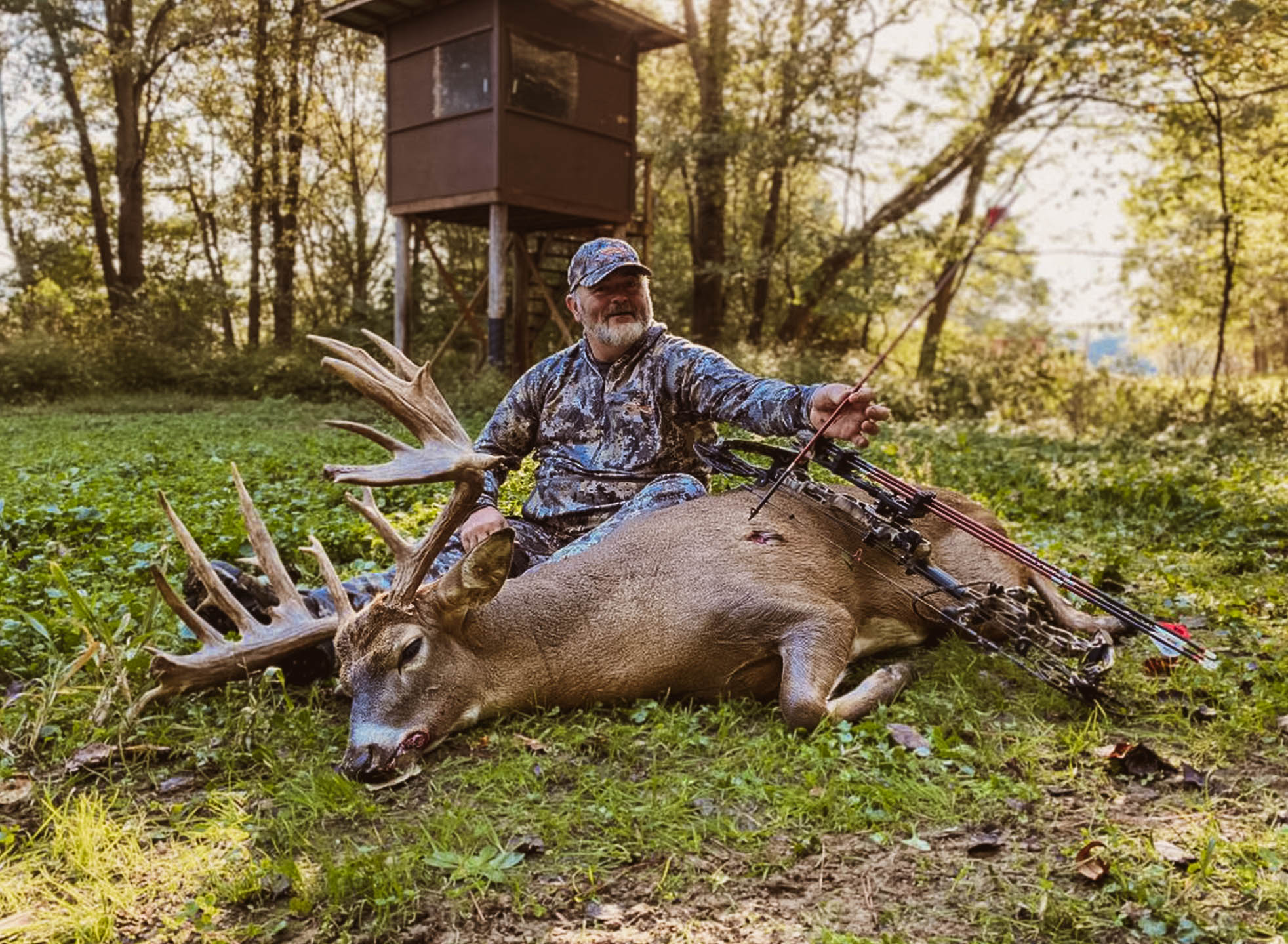
Best month deer hunting: Discover the prime months to tag a 180-class buck, with pro tips, rut insights, and gear picks. Learn when to strike, and turn a once-in-a-lifetime tag into a lifetime memory. If a giant whitetail is your dream, timing is your sharpest edge. The calendar is more than dates, it is a blueprint that shows when 180-class bucks move, where they feed, and how to intercept them at bow or firearm range. At Cedar Ridge Whitetails in southern Illinois, hunters chase giants across mature timber, cedar thickets, cornfields, and hidden food plots. Every season brings new openings. This guide breaks down the months, the behavior shifts, and the exact conditions that produce the best sits of the year.
What Is the Best Month Deer Hunting for a 180-Class Buck?
Ask a dozen serious whitetail hunters and most will tell you that November is the best month deer hunting for a 180-class buck across much of the Midwest. They are not wrong. In many regions, November offers the most daylight movement, the greatest number of mature buck sightings, and the highest chance to catch a heavy frame on his feet. Yet a 180 is not a typical deer. Older bucks bend rules. They move daylight on cold fronts in October, lock down with does in mid November, and rise from beds to feed hard in the late season when weather gets bitter. The real answer is this, the best month deer hunting giant whitetails is November for sheer opportunity, but hunters who understand October and December windows often tag their biggest buck when pressure is lighter and patterns are tighter.
How a 180-Class Buck Behaves Through Fall
A 180-class buck is usually at least 5.5 years old, sometimes older. He survives by tightening his core range, slipping wind-friendly terrain, and feeding at odd hours. He prefers predictable access to food and water, and he stages in thick cover before night fields. Pressure makes him nocturnal in minutes. Weather nudges him daylight in seconds. Learn his seasonal anchors and you can plan your tag around the best month deer hunting cycle in your area.
- Early to mid fall, bed-to-feed patterns, small loops, cold front movement spikes
- Late October, swelling necks, more scrapes, more midday movement near doe hubs
- November, full-blown rut, long travel routes, unpredictable yet frequent daylight cruising
- December and January, food-focused, secondary rut trickles, strict wind discipline
Month-by-Month Breakdown for Tagging a 180
Early October, Patterned Giants on Cold Fronts
October is a quiet killer, especially the second and third weeks. A sharp temperature drop after a warm spell can push a 180-class buck from cover 30 to 60 minutes earlier than normal. Focus on staging cover 50 to 120 yards off a field edge, especially near acorns, standing corn, or late beans. In southern Illinois, mast and edge cover in mature timber, pine, and cedar thickets can hold a monarch all day. Evening sits are gold during the first stable north wind after a front. Mornings can work if the wind lets you slip tight to a bed without bumping deer. This is a stealth month, less rut chaos, more pattern reading.
Late October, The Fuse Lights
The last 10 days of October are electric. Bucks check scrapes in daylight, scent-check doe groups, and probe terrain funnels. If you want the best month deer hunting without the full rut crowds, circle these dates. Prioritize pinch points between bedding areas, trails that cut leeward ridge lines, and creek crossings that let bucks travel unseen. Midday sits become more valuable, especially during overcast, cool conditions. At Cedar Ridge Whitetails, guides often hang sets downwind of doe hubs in thick draws. Clients sit long when a cold snap hits. Big frames show up where the wind favors the buck first, then the hunter.
November, The Sweet Spot for Daylight Giants
November is the headline month for a reason. Pre-rut seeking in the first week is dynamite. Chasing and tending in the middle are chaotic but high odds. The tail end brings worn-out bucks searching for the last hot doe. Plan for all-day sits when conditions allow. A 180-class buck might cruise at 10 a.m., check a doe bed at noon, or slip past a saddle at 2 p.m. Weather still matters. A chilly high-pressure day with a steady wind can stack the deck in your favor. Travel corridors from bedding to bedding, downwind edges of doe concentrations, and classic terrain bottlenecks are top-tier stands. If you asked only one question, what is the best month deer hunting mature bucks, most seasons it is November, because the rut pulls even the smartest giants onto their feet under the sun.
December, Secondary Rut and Food-Driven Patterns
When firearm pressure fades and winter bears down, big deer pivot. They conserve energy and move for calories. Standing corn, beans, brassica plots, or thermal cover near food become prime. Watch for a trickle of secondary rut activity around does that were not bred or young does cycling for the first time. The magic days are frigid, calm evenings after a harsh front. Bedded bucks rise early to feed and return later in the morning. This window can be better than early November if you run a disciplined, low-impact strategy. At Cedar Ridge Whitetails, late-season food plots draw giants out of cedar thickets and pine edges while hunters wait downwind with precise access routes.
January, The Last Dance
Where seasons allow, January can deliver a final shot at a 180, especially during arctic air or light snow when deer herd up on the most efficient food. Bucks are run down. Their patterns are simple. Your entry routes must be invisible. If you protect bedding, glass from a distance, and set up tight on a reliable food source with a forgiving wind, you can punch a tag in the bitter end. It is not the best month deer hunting across all regions, but it is a focused, tactical month that rewards patience.
Weather, Pressure, and Moon Stacking
Not all days in the best month deer hunting are equal. Three levers tilt odds fast.
- Weather, drop of 10 to 20 degrees, rising barometer, and a clean wind often trigger daylight movement
- Hunting pressure, less intrusion, more daylight, keep exits silent, stands clean, and avoid skyline silhouettes
- Moon, use it as a secondary tool, focus on weather first, then moonrise or set times that align with prime hours
Stand Strategy That Beats a 180-Class Buck
Morning Setups That Do Not Blow the Bed
Mornings near bedding are risky. Use them when a cold front follows a hot stretch or in the heart of the rut. Set up on the downwind side of a suspected bed, but stay off the core by 80 to 150 yards. Choose rising thermals, gentle winds, and quiet access. If you think you might get busted on the way in, wait for the evening.
Midday Rut Sits That Pay
From late October through mid November, sit through lunch in pinch points, saddles, and downwind edges of doe bedding. Giants often scent-check these areas between 11 a.m. and 2 p.m. Pack layers and snacks, and commit. The longer you sit in the right spot, the higher your odds climb.
Evenings on Food With Bulletproof Access
Evening hunts take the cake in early October and late season. Slide in using thick cover, creek ditches, or field-edge shadows. Hunt 50 to 100 yards off the food in staging cover with a quartering wind that favors the buck. If the wind is wrong for your exit, do not hunt the spot. Save it for the perfect night.
Access and Exit Are the Hunt
Your route matters as much as your stand location. Use low ground where wind and thermals pull your scent away from beds. Wear rubber boots, be silent, and avoid brushing vegetation with your clothes. Exiting after dark, wait for deer to clear the field if possible, or have a buddy pick you up with a vehicle to bump deer off the food without teaching them your tree.
Proven Gear for Giant Whitetails
The right gear does not replace woodsmanship, but it removes weak links that cost shots on 180-class deer.
- Bows and broadheads, tune your setup for fixed or high-quality mechanical broadheads, practice broadside and quartering shots at realistic ranges, and confirm arrow flight in cold weather clothes
- Firearms and ammo, use a proven straight-wall rifle, shotgun, or muzzleloader where legal, zero for 100 yards or your typical shot distance, and recheck zero after travel
- Optics, compact binoculars and a rangefinder keep you honest on distance and wind holds, glass edges and shadow lines to find early movers
- Scent strategy, match the wind first, then layer scent reduction, wash clothes in scent-free detergent, store in a clean tote, and use ozone or carbon sparingly without ignoring wind
- Clothing, quiet outer layers, wind-block mid-layers, and moisture-wicking base layers, pack a hand muff and chemical warmers for long sits
- Safety and comfort, a quality safety harness, lineman’s belt, and a comfortable seat keep you steady and patient for the one chance that counts
Mistakes That Kill Big-Buck Opportunities
Even on the best month deer hunting days, small errors flip the script. Avoid these.
- Overhunting a stand, burn it out with the wrong winds and evening access, rotate stands and rest hot spots
- Ignoring entry winds, walking your scent pool through bedding or staging cover ruins a week, plan routes on maps and test with milkweed fluff
- Chasing buck sign only, giant scrapes and rubs excite the eyes, but hunt where a buck travels in daylight, not where he celebrates at night
- Moving fast, speed kills stealth, leave earlier and move like a predator
- Unrealistic shots, wait for a steady broadside or quartering-away angle, pass hero shots that end in lost deer
Why Hunt With Cedar Ridge Whitetails
Cedar Ridge Whitetails is a family-owned hunting preserve in scenic southern Illinois. The private reserve spans mature timber, pine and cedar thickets, thick draws, cornfields, and carefully managed food plots. This is the kind of diverse habitat that funnels mature bucks past well-placed stands. Hunts are private and guided, reserved for your group alone. That means personalized attention, low pressure, and setups that match the exact wind and pattern of the buck you are after. Whether your goal is 170 to 179 inches, 180 to 199 inches, or a giant over 200, Cedar Ridge Whitetails designs the hunt around your target class. On-site lodging keeps you close to the action, so when a cold front hits, you are already in position. The team lives for the thrill of the chase and understands that the best month deer hunting is even better when strategy, habitat, and timing align. Many guests return not only for the trophies, but for the memories made around the lodge, the stories shared after dark, and the confidence that tomorrow’s sit might be the one.
How Cedar Ridge Whitetails Times the Season
Guides at Cedar Ridge Whitetails watch weather trends and deer behavior, then tailor hunts to the best windows. Early in October, they focus on bed-to-feed patterns near acorns and staging cover. Late October through early November, they shift to travel corridors near doe bedding on winds that favor a buck’s nose. Mid and late November, they post hunters in funnels that catch daylight cruisers at all hours. In December and January, hunts target high-energy food with bulletproof access from cedar thickets and pineland cover. This playbook turns the full calendar into a series of high-odds strikes. Add expert stand placement, quiet entry, and a strict scent plan, and hunters can capitalize when the giant they are chasing breaks daylight.
Quick Planning Checklist for a 180-Class Buck
- Pick your prime window, circle the last 10 days of October and the first three weeks of November, then add a late-season cold front week in December
- Scout for access, mark silent entries and exits with wind advantage, and confirm stand trees ahead of time
- Track weather, prioritize hunts after cold fronts with steady winds and rising pressure
- Dial gear, tune your bow or firearm, verify broadhead flight or zero, and practice in your hunting layers
- Protect spots, avoid checking cameras too often, and let intel come to you with remote setups
- Commit to time, plan at least one or two all-day sits during peak rut
- Book the right help, schedule a guided hunt with Cedar Ridge Whitetails for expert stand selection, lodging, and low-pressure ground
Final Word
The best month deer hunting a 180-class buck is November for widespread daylight odds, but the full truth is more exciting. October cold fronts, late October pre-rut flurries, and December food patterns create narrow, deadly windows that topple giants every year. If you match weather to habitat and protect your access, you can beat the smartest buck on the property. For hunters who want a high-adventure setting with expert guidance, Cedar Ridge Whitetails offers private hunts, trophy classes from 170 inches to 200 inches and above, and comfortable lodging right in the heart of southern Illinois whitetail country. Pick your window, read the wind, and be there when the woods crackle with movement. Your 180-class story can start this season, and it can start with the right month, the right conditions, and the right plan.

Leave A Comment