

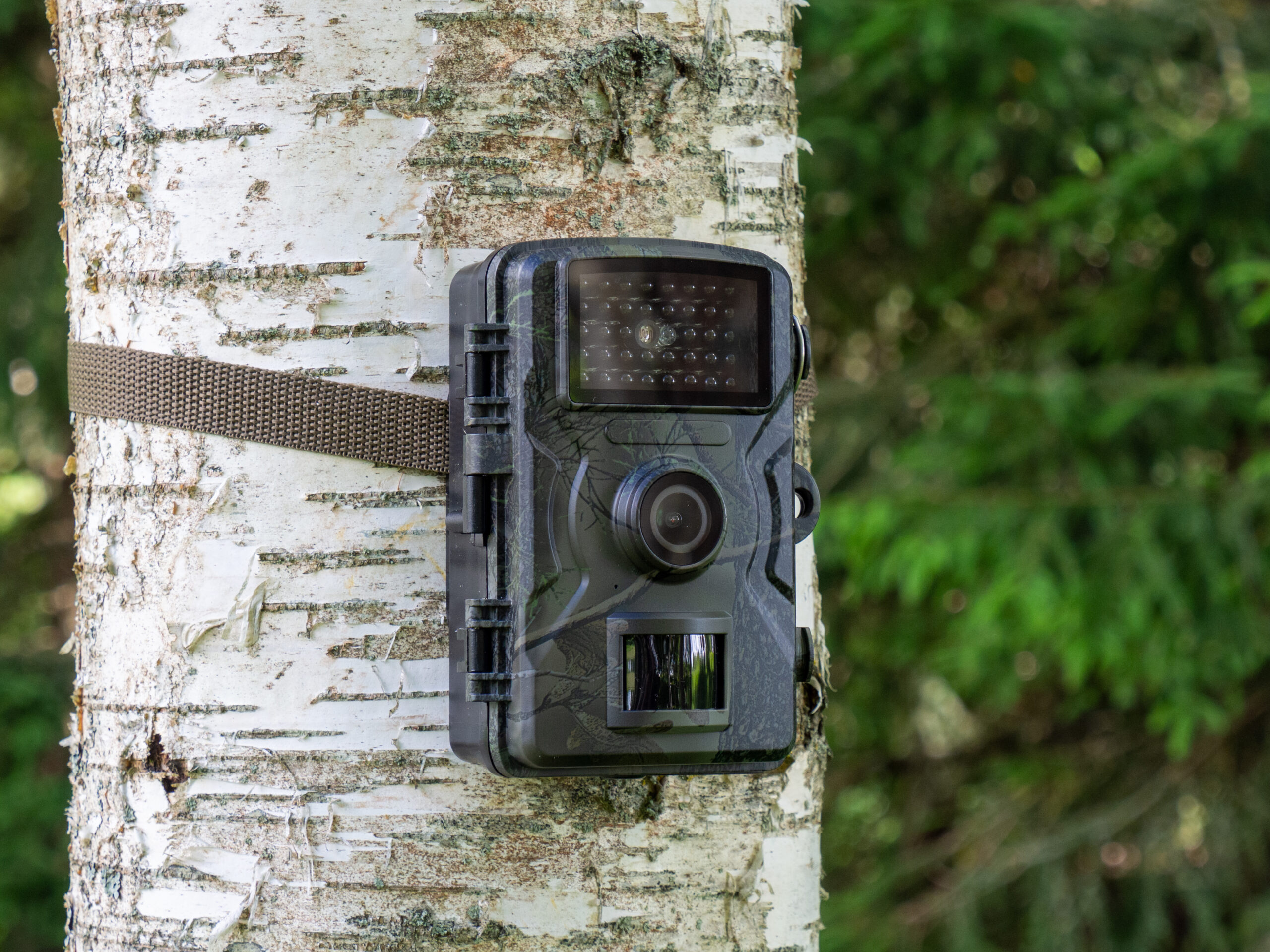
Trail Camera Strategies That Turn Photos Into Daylight Encounters
Trail camera strategies should do more than collect random night photos. The goal is seeing mature bucks on their feet with enough daylight to plan a hunt. This guide breaks down four proven placements that produce the intel you need. Trail camera strategies: discover four proven placements to catch mature bucks on their feet and boost your scouting. See where, why, and how, and start now to fill tags. At Cedar Ridge Whitetails in southern Illinois, our guides run cameras all year across timber, cedar thickets, thick draws, cornfields, and food plots. The same rules we use on the preserve will help you at home, whether you run a single cam or a network of cell units.
Why Placement Beats Price for Your Trail Camera
Every modern trail camera can take a sharp photo. What separates a mediocre setup from a powerful scouting tool is placement. Mature bucks travel with the wind in mind, stick to shadow, and prefer the edges of cover. Your camera should live in these zones and point across travel lines, not straight down them. A good placement turns random sightings into patterns. Those patterns tell you when to hunt, how to enter, and where to set a stand or blind. Cedar Ridge Whitetails has learned that the right tree often matters more than the newest model, so we focus on location, angle, and low impact access first.
The Four Trail Camera Placements That Actually Produce Daylight Bucks
1. Community Scrapes and Mock Scrapes at the Edge of Security Cover
Nothing gathers more buck traffic in one place than a community scrape. It acts like a bulletin board. Bucks and does both visit to check scent and leave clues. Place your trail camera on the downwind edge of security cover where a field corner, logging road, or inside turn meets thick habitat. In September and October you will catch bachelor groups and early movers. In late October and the first half of November, daylight visits explode. If you do not have an active scrape, build a mock scrape under a low hanging branch. Clear a three foot oval, rough it up, and zip tie a branch at chest height if there is not a natural licking branch.
- Best timing: late September through the rut, with peak activity the last ten days of October.
- Camera settings: photo bursts of three with medium delay, or 10 to 15 second video. Video shows age class and direction of travel.
- Placement details: mount at 36 to 40 inches high, 8 to 12 feet off the scrape, and angle 30 degrees across the approach trail.
- Common mistakes: aiming due east or west, setting right on top of the scrape, or checking the camera too often.
At Cedar Ridge Whitetails we hang many cameras on scrapes tucked just inside timber near food plots or along the shaded sides of cornfields. Those spots see foot traffic in full daylight from bucks that will not step into an open field until last light. Guests are often shocked how many different bucks visit one scrape in a week.
2. Staging Areas Between Bedding and Evening Food
Staging areas are pockets of cover where deer pause and scent check before walking into a field or plot. Mature bucks rarely stand up from a bed and march straight to groceries. They drift through shaded cover, often along the downwind edge of the destination. This is the perfect zone for a trail camera. Focus on faint, parallel trails that run 50 to 120 yards inside the timber from a cornfield, bean field, or clover plot. Look for fresh rubs and small, churned ovals where deer mill around. Set your camera to watch the heaviest of these faint lines, not the obvious highway that may be used after dark.
- Best timing: early season and again during late season cold fronts.
- Camera settings: photo bursts with a short delay, or hybrid mode that takes a photo then a short video clip.
- Placement details: 30 to 36 inches high, 12 to 15 feet off the trail, angled to cover a 15 to 20 foot window of movement.
- Common mistakes: placing on the field edge, where mature bucks delay movement until it is nearly dark.
In southern Illinois, staging areas often live in cedar or pine thickets that border row crops. The contrast between thick cover and groceries pulls deer like a magnet. The guides at Cedar Ridge Whitetails lean on these setups to decide when a target buck is easing up his timing. Two or three daylight photos in a week are a green light to make a careful move.
3. Pinch Points and Natural Funnels That Force Movement
Pinch points squeeze movement into narrow lanes. These are parks for a trail camera because they filter many travel lines into one or two tracks. Ideal examples include creek crossings with steep banks, the head of a draw that meets a ridge, narrow strips of timber between two fields, a pasture corner, or a fence gap. During the pre-rut and rut, bucks cruise these lanes to scent check for does. Your camera sees more deer with less intrusion, and you gain direction of travel which is key for stand placement.
- Best timing: pre-rut through peak rut, and any time deer numbers shift after harvest or pressure.
- Camera settings: video mode shines here. Ten to twenty second clips capture multiple deer and show what direction they come from.
- Placement details: 36 inches high, 20 to 25 feet from the pinch, and angled across the funnel so the sensor fires early.
- Common mistakes: aiming down the trail, which shortens the detection window, or placing too close to water glare that can cause false triggers.
On the Cedar Ridge Whitetails preserve, funnels appear where thick draws dump into flat bottoms and where timber narrows along creek bends. One well placed trail camera in a funnel can replace three random cameras scattered across a section. It is efficient scouting that keeps pressure low and the woods calm.
4. Waterholes, Creek Sips, and Hidden Tanks
Quiet water sources pull deer all season, but they shine in September heat, dry spells, and during the rut when bucks burn energy and need to drink. A small, shaded waterhole inside cover often gets more daylight traffic than a bright pond in the open. Look for slight depressions that hold water after rain, muddy lips along a creek with deer tracks, or a tucked away cattle tank in the timber. Place the trail camera on the downwind side of the most used approach so you see a buck before he hits the edge.
- Best timing: early season afternoons, warm spells in October, and midday during the rut.
- Camera settings: video or three shot bursts. Use a slightly longer delay to avoid hundreds of photos from one group visit.
- Placement details: 24 to 30 inches high for eye level shots at the water rim, 8 to 12 feet back from the edge, and slightly above the waterline to reduce glare.
- Common mistakes: placing a camera where reflective water tricks the sensor, or pointing across open water at sunrise or sunset.
We place several cameras on shaded creek sips at Cedar Ridge Whitetails, especially near travel corridors between bedding cover and food plots. Those cameras often capture the only midday daylight images of a target buck during the week of a hot spell.
How to Set Your Trail Camera for Daylight Intel
After choosing the right spot, dial in your settings and mount. Small tweaks here prevent missed shots and wasted batteries.
- Angle across movement, not straight down it. A 30 to 45 degree angle gives the sensor time to wake up and fire before the deer is past the lens.
- Height sweet spot is 30 to 40 inches. Go lower at water and scrapes, higher at funnels with tall grass.
- Avoid aiming due east or west. Direct sun causes glare and false triggers. North facing is safest, with shade preferred.
- Use lithium batteries for cold weather and long life. Carry extras and change them before a big front.
- Format SD cards in the camera you will use. Label cards and organize folders by location and date.
- Set a manageable check schedule. Every seven to fourteen days is smart for non-cell cams. Stretch longer in bedding-adjacent setups. For cell cams, reduce photo frequency and use status checks to limit battery drain.
- Choose the right mode. Photo bursts are efficient. Video shows behavior, age, and direction. Hybrid is a great middle ground.
- Trim brush in the detection zone. One waving weed can cook a set of batteries in a day of wind.
- Wear rubber gloves and use clean boots when hanging near bedding or scrapes. Scent control keeps your presence a secret.
Read the Photos, Build a Plan, Fill a Tag
Data is only useful when it shapes your next move. Train yourself to read patterns, not just admire antlers. Create a simple log that tracks wind, weather, time, and moon phase for each daylight photo of a mature buck. Many bucks move earlier during the evening on rising pressure after a cold front. Others push through funnels with a south wind that it seems they favor. Connect these dots and you will be ahead of the game.
- Sort by daylight only. Night photos keep you excited but rarely build a hunt plan unless they shift earlier through the week.
- Map approach and exit. Note exactly where a buck enters and leaves the frame. That tells you where to hang a stand or place a ground blind.
- Plan low impact routes. Use ditches, creek beds, or field edges with tall cover. The best stand is useless if you blow the approach.
- Move cameras with intention. When a buck shows near a staging area two evenings in a row, slide a camera 30 to 50 yards closer to monitor his next step.
- Strike during short windows. Mature bucks often give three to five daylight appearances in a two week span. Be ready to hunt when the pattern lights up.
The guides at Cedar Ridge Whitetails share this style of photo reading with every guest. When a 180 class buck shows twice in a staging pocket near a clover plot, the team sets the entry, marks the wind window, and helps the hunter climb in when odds peak. Discipline and timing turn photos into memories.
Seasonal Trail Camera Playbook for Southern Illinois
Southern Illinois offers rolling timber, thick draws, cedar and pine thickets, and rich ag ground. These shifts across the season change which trail camera placement wins.
- Early season: focus on staging areas inside timber near beans, corn, or green plots. Add waterhole cams for afternoon heat. Bucks run tight home ranges and follow routine patterns.
- Pre-rut: move cameras to community scrapes on the edges of cover and along inside corners of fields. Expect more daylight checking at the start and end of legal light.
- Peak rut: pinch points carry the load. Creek crossings, draw heads, and narrow timber strips between fields show fast cruising by mature bucks all day.
- Late season: cold snaps push deer to calories. Shift cameras to the inside edge of cornfields and food plots with nearby thermal cover like cedar thickets. Staging zones still matter more than field edges for daylight photos.
Cedar Ridge Whitetails runs this cycle on the preserve so guests step into stands that match the week, the weather, and the best current intel. It is a system that stays simple but adapts with deer behavior.
Trail Camera Mistakes That Cost You Daylight Bucks
- Placing too close to a trail so deer blow past before the sensor fires.
- Aiming into rising or setting sun which creates glare and false triggers.
- Checking SD cards too often near bedding or scrapes and training deer to avoid the area.
- Letting grass or limbs wave in the detection zone.
- Using weak batteries or mixing battery types.
- Setting long delays at scrapes or short delays at water, the opposite of what the spot needs.
- Ignoring the wind when hanging or checking cameras.
- Pointing cameras straight down a trail rather than across it.
- Failing to label and organize locations, which turns good intel into a mess of photos.
Why Cedar Ridge Whitetails Is Your Shortcut to Better Intel and Bigger Thrills
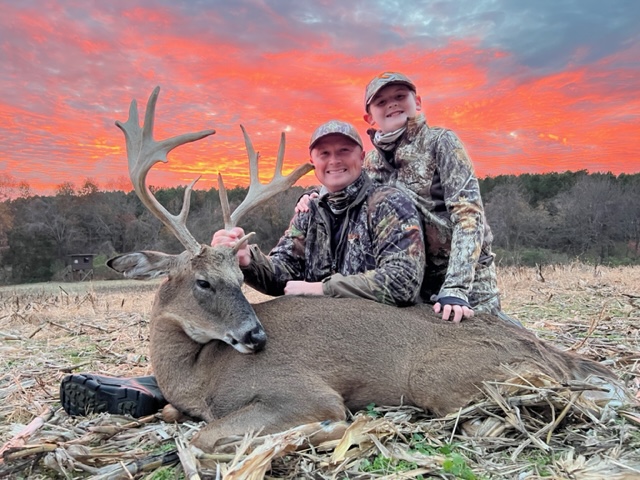
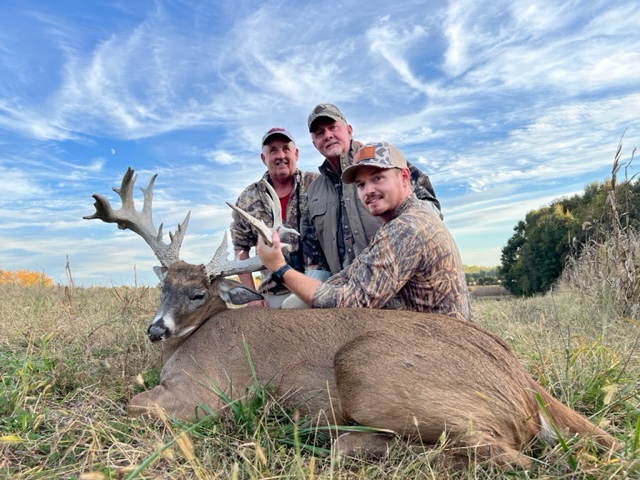
Cedar Ridge Whitetails is a family-owned hunting preserve in scenic southern Illinois built for serious whitetail adventure. The property blends mature timber, cedar and pine thickets, thick draws, cornfields, and food plots. It is a living classroom for trail camera strategy. Private guided hunts are exclusive to your party, and the crew handles everything from camera placement to stand selection so you can focus on the moment a giant steps into range. Trophy classes are available for 170 to 179 inches, 180 to 199 inches, and over 200 inches. On-site lodging keeps you close to the action and lets you roll out before dawn with a hot breakfast. The team takes pride in creating lifelong memories through thrilling hunts. Guests often help pull SD cards or review cell cam intel with their guide, then make a plan for the evening sit based on fresh movement. That partnership is a big reason hunters return each season.
Plan Your Next Hunt and Put Your Trail Cameras to Work
You do not need ten cameras to build a winning plan. Start with one or two and place them where movement funnels, where deer stage, where they scrape, or where they drink. Angle across the trail, keep scent down, and check less to learn more. If you want to fast track your learning curve, bring these strategies to Cedar Ridge Whitetails. You will hunt proven spots with guides who live this system every day. Book your private guided hunt, choose your trophy class, settle into comfortable lodging, and step into stands set with the latest intel. Your next daylight photo can be the start of a hunt you never forget. Start now to fill tags.
Leave A Comment