

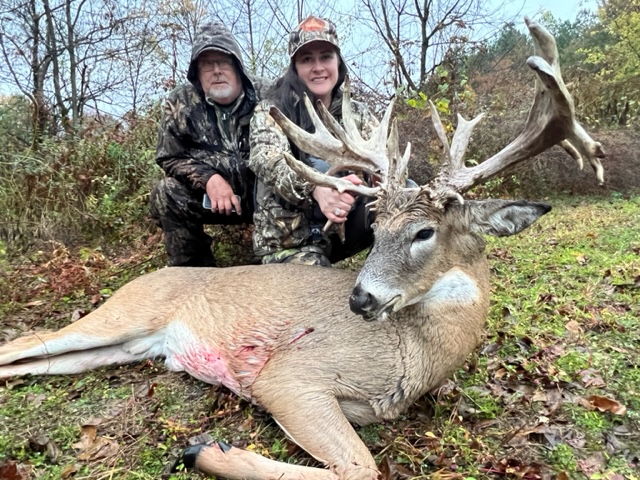
200 inch whitetail identification made simple: learn antler traits, body cues, and scoring essentials to judge giants fast. Read now and elevate your hunt. If your heart races at the flash of towering tines in the timber, you are in the right place. This guide breaks down how to recognize a true 200 inch whitetail in the field, using fast visual checks and clear scoring shortcuts you can trust when the light gets thin. At Cedar Ridge Whitetails in southern Illinois, hunters chase dream-class deer in diverse habitat, and this article will help you spot and size the buck of a lifetime the moment he steps out.
Why a 200 Inch Whitetail Is So Rare
A 200 inch whitetail is the pinnacle for most hunters. It takes the right mix of age, genetics, nutrition, and low stress to build that kind of frame. Many bucks never reach the age needed to stack mass and grow exceptional beams and tines. Even in great habitat, a buck must survive four or five seasons to show his full potential. That is why seasoned hunters treat a 200 as a once-in-a-lifetime encounter.
Cedar Ridge Whitetails is built to give these giants everything they need. The preserve’s mosaic of mature timber, pine and cedar thickets, thick draws, cornfields, and food plots fuels heavy frames and long beams. With balanced herds, targeted nutrition, and thoughtful pressure, bucks are able to reach older age classes. When you hunt here, you are stepping into a place where the impossible can be real.
The Anatomy of a 200 Inch Rack
To judge a 200 inch whitetail quickly, learn what a massive rack must have. It is not just tall tines or deep beams. It is the combination that creates huge totals.
The four pillars you must read
- Main beam length: On 200-class bucks, beams often sweep well past the nose when viewed broadside. Expect 25 inches or more per side on many giants.
- Tine length and count: Long G2s and G3s are the engine of big scores. Think G2s in the 12 to 14 inch range, G3s pushing 11 to 13, and bonus tines beyond the typical four per side. Extra points stack the score fast.
- Inside spread: Big deer do not always have record spreads, but many 200s show 19 to 24 inches inside. Watch ear tip to ear tip as a field ruler. Ears are often about 16 to 18 inches wide when alert.
- Mass: This is the secret sauce. Bases that look like soda cans and heavy beams that carry thickness to the tips signal elite scores. Look for no daylight between tines and beams when silhouetted.
Typical vs non-typical clues
A 200 inch whitetail can be typical or non-typical. Typical 10s or 12s need incredible beam length, tall tines, and strong spread to hit 200. Non-typicals get there by stacking abnormal points, stickers, kickers, and drops on a big frame. When you see clean symmetry plus towering tines, think giant typical. When the rack looks like a thorn bush with extras sprouting everywhere, think non-typical giant.
Fast tells at first glance
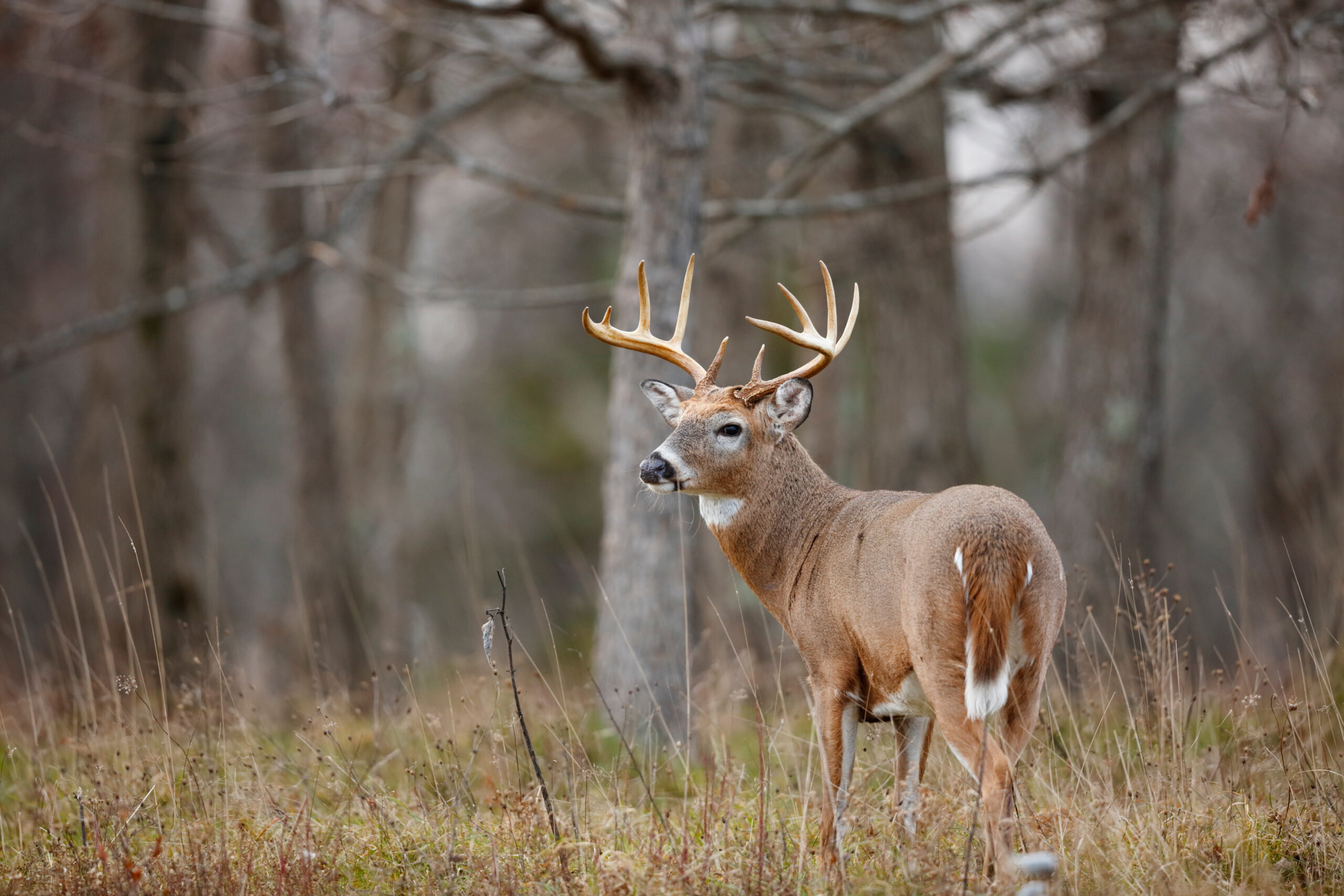
- Beams past the nose: When the buck is broadside, do the beams reach the tip of his nose or further? That often signals 24 inch beams or better.
- Ear test for tine height: An alert buck’s ear is about 6 to 7 inches tall. Tines that double or nearly triple ear height shout elite lengths.
- Mass that carries: If the circumference looks heavy at the bases and still thick past the G3s, that is big mass across all measures.
- Frame dominance: Does the rack look as wide as the chest and as tall as the backline? A rack that dwarfs the head is a strong 200-class clue.
Body Cues That Match Mega Racks
Age is the backbone of a 200 inch whitetail. Old bucks wear their years on their bodies. Learn these signs to confirm what those antlers suggest.
- Brisket and chest: Deep, pendulous brisket and a chest that hangs ahead of the front legs signal 4.5 years or older.
- Belly line: A sway in the back and a pot belly that reduces daylight under the deer hints at age and weight.
- Neck merge: In peak rut, the neck flows into the chest with little definition. Mature bucks look like they have no neck seam.
- Head shape: A blocky head with a Roman nose is common in older deer. Young bucks look pointy faced by comparison.
- Leg illusion: On heavy-bodied bucks, legs look short. That is because the body is so deep and long.
If the rack screams giant but the body looks sleek and leggy, be careful. You might be looking at a genetic freak that is not as old as you think. Truly top-end bucks usually have both body and head mass to match the antlers.
Quick Field Scoring Methods You Can Trust
You do not have time for a tape measure when a ghost steps out. Use these fast, repeatable checks to estimate if a buck breaches the 200 mark.
The five-step speed score
- Set the frame: Decide if the basic 10-point frame is at least 160 to 170 inches. Use beam length past the nose, tall G2s and G3s, and inside spread near or beyond ear width.
- Add mass: Heavy bases and thick beams that hold mass to the tips can add 12 to 18 inches total in circumference scores. If mass looks huge, lean high.
- Count usable points: Beyond the main 8 or 10, how many extras over one inch? Each adds fast. Six or more measurable extras on a big frame often pushes the total into 200 territory.
- Check symmetry: Clean typical symmetry means fewer deductions in standard systems. Tornado racks with many abnormal points may score higher in non-typical categories.
- Do the sanity check: If the rack looks too large for the head, beams sweep past the nose, G2s and G3s tower past ear height, and there are multiple extras, you are likely flirting with 200.
Sample mental math
Imagine a wide 10 with 25 inch beams, 21 inch inside spread, 5.5 inch bases, and the following tines per side: G1 7, G2 13, G3 12, G4 9. That rough math gets you near 170 to 180 typical. Add true mass measures, and throw in four to six extras of 2 to 6 inches each, and you can break the 200 line. You do not need exact math in the stand. You need pattern recognition and a quick add-up.
Angle and Distance Hacks That Save Seconds
Giant deer rarely pose broadside for long. Learn which angles reveal what you need most.
How to judge by angle
- Broadside: Best for beam-to-nose checks, tine height vs ear test, and shoulder-to-rack scale. This is your top angle for immediate go or no-go calls.
- Quartering away: Great for reading mass and tine length on the near side. Look for thickness through the G3 and G4 region.
- Head-on: Use to judge inside spread and brow tine height. Beware foreshortening of beams.
- Skyline silhouette: When he crests a ridge or stands against snow or bright sky, the outline reveals mass and extras you might miss in cluttered timber.
Distance tips
- At 200 yards: A 200 inch whitetail rack still appears bold and structured through 10x glass. If it looks spindly at that distance, it may not be the one.
- In thick cover: Focus on the lower half of the rack first. Heavy main beams and thick bases are better early tells than trying to count every point through brush.
- In corn or cane: Watch for beams that plane out past the ears even when only the head is visible above cover.
Seasonal Behavior That Brings Giants to You
Timing stacks the odds. At Cedar Ridge Whitetails, guides schedule sits around big buck movement during each phase.
- Early season: Food pattern bucks hit edges of cornfields and food plots near last light. Big bodies and short tempers can make them daylight timid. Glass from a distance, then make a low impact move.
- Pre-rut: Scrapes light up in timber corridors and cedar thickets. Mature bucks check downwind edges of thick draws. This is prime time to intercept a 200 inch whitetail cruising on a loop.
- Peak rut: Expect chaos and midday movement. Giants follow does into open ground they would avoid in any other month. Be ready to react fast when a wall of antlers ghosts across a cut or plot.
- Late season: Food becomes king again. Cold snaps push bruisers to corn and high-energy plots. Large-bodied bucks often arrive last in the evening, so hold the stand until dark legal light.
Common Mistakes When Judging a 200 Inch Whitetail
Even expert hunters can misread a rack in the rush. Avoid these traps.
- Overvaluing spread: Wide racks look huge but do not carry the score alone. Tine length and mass rule the total.
- Ignoring mass carry: Fat bases are great, but watch how thickness holds past the G3s. Skinny beams up top drain points.
- Counting ghost points: In brush or heat shimmer, you might add tines that are not there. Confirm extras with a slight angle change.
- Age blind spot: A tall, tight rack on a slim 3.5-year-old can trick the eye. Cross-check body size and head shape to avoid ground shrinkage.
- Letting the rut fool you: Flared necks make 2.5 and 3.5-year-olds look older. Trust the belly and brisket more than the neck.
Ethical Shot Selection on a Dream-Class Deer
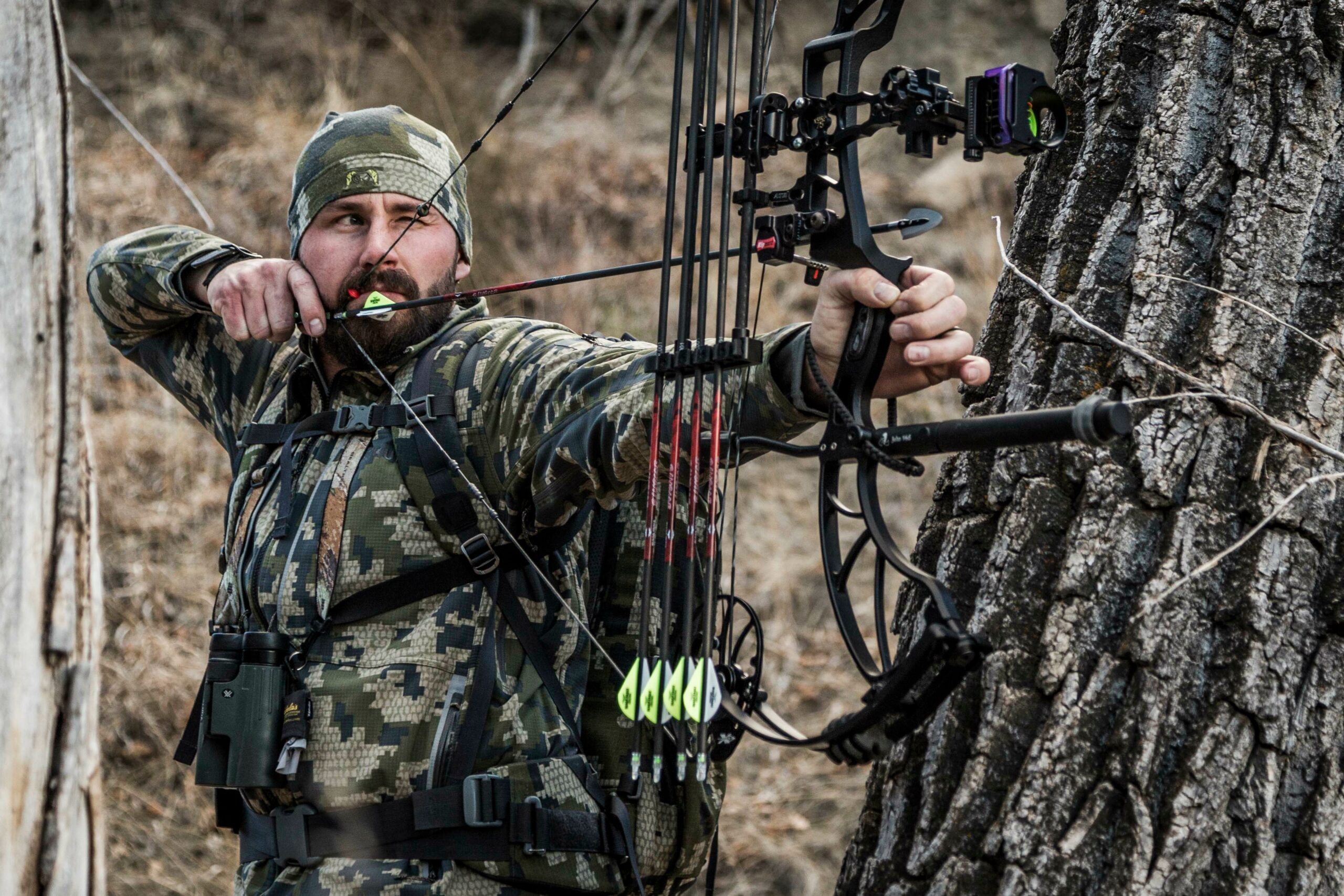
When a 200 inch whitetail steps in, discipline decides the outcome. Wait for a high-percentage angle like broadside or slight quartering away. Avoid steep quartering-to shots. Keep ranges inside your proven practice distance. Breathe, settle the pin or crosshair, and make the shot you make in the backyard. At Cedar Ridge Whitetails, guides help you set up for close, ethical opportunities so your memory is one of pride, not doubt.
How Cedar Ridge Whitetails Puts You in Front of Giants
Cedar Ridge Whitetails is a family-owned hunting preserve in scenic southern Illinois with one focused mission: deliver world-class encounters and lifelong memories. The private reserve blends mature timber with pine and cedar thickets, thick draws, cornfields, and well-planned food plots. This mix creates natural funnels and consistent nutrition, two keys to growing and hunting top-end deer.
Every hunt is private to your group. That means the plan is built around your goals and comfort. Cedar Ridge Whitetails offers trophy classes from 170 to 179 inches, 180 to 199 inches, and 200 inches and above. If you are targeting a 200 inch whitetail, your guide will steer you toward travel corridors and food edges known to produce sightings of mega-class bucks. You will hunt proven stands and blinds set for prevailing winds and safe access. On-site lodging keeps you close to the action, and evenings are spent reviewing trail camera photos, glassing plans, and fine-tuning the next move.
Stand Location Strategy You Can Use Right Now
Timber and thickets
Inside mature timber and cedar thickets, focus on parallel trails that skirt bedding edges. Big bucks rarely walk right down the main trail in daylight. Set back 20 to 40 yards along the off-trail line with shooting lanes cut for quiet, controlled angles.
Thick draws
In the rolling cuts and draws, upper third travel is gold. Mature bucks sidehill to stay in the wind and see danger below. Place stands where two upper-third trails converge near a subtle bench. At Cedar Ridge Whitetails, these sweet spots have delivered many close-range encounters with true giants.
Cornfields and food plots
Evening sits near inside corners and fence gaps often reveal monarchs slipping in late. In corn, set on the downwind side of a corner where a head-high trail cuts from cover to grain. In plots, target the junction of green and grain, especially after a cold front. The heaviest deer in the preserve often prefer these edges near last light.
Quick-Use Checklist Before You Hunt
- Know the look: Beams past nose, G2s and G3s taller than ears, mass that carries to tips, and extras you can confirm at two angles.
- Dial your optics: Zero your scope or confirm your bow sight and carry clean glass. Ten power binoculars are ideal for quick field reads.
- Commit to a number: Decide your target class before the sit. If you are on a 200 inch whitetail hunt, hold out for the full package.
- Trust the wind: Enter and exit with care. Use low-impact routes and stay invisible. Cedar Ridge Whitetails guides will coach the plan.
- Record the moment: Bring a phone mount or small camera to capture the encounter. Photos help confirm scoring details after the shot.
Real-World Confidence, One Glance at a Time
You will never have unlimited time when a mega buck appears. That is why simple mental tools matter. Compare beam tips to the nose. Stack tine height against ears. Read mass through the G3s. Add extras you can prove with a second angle. If the body is a tank and the rack owns the head, you are looking at a true monarch. At Cedar Ridge Whitetails, these moments happen in real time. When they do, you will be ready to make the call and write your story.
Ready to Hunt Your Own 200 Inch Whitetail
If you want a focused, high-thrill hunt built around top-end deer, Cedar Ridge Whitetails is your destination. With private guided hunts, clear trophy classes up to 200 inches and above, and comfortable on-site lodging, every detail supports your goal. The team’s local knowledge of mature timber travel, cedar thicket bedding, draw crossings, and food edge patterns puts you in the best position to meet a legend. Book your dates, sharpen your eye, and get ready to judge a giant fast. The next time towering tines cut the evening light, you will know exactly what you are looking at, and exactly what to do.
Leave A Comment