

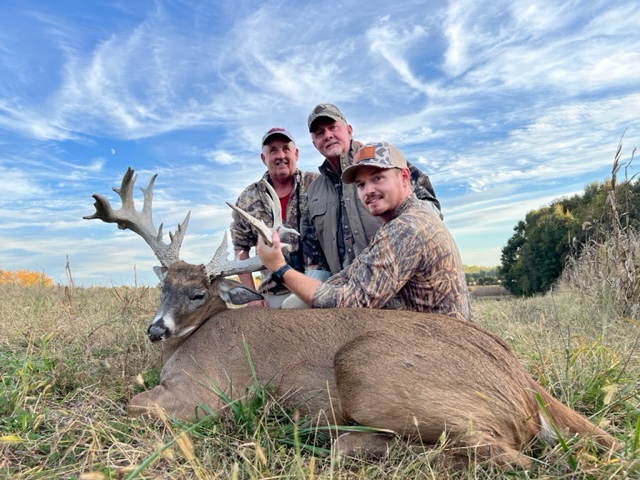
Hunt Bigger, Smarter, and With Confidence
Some bucks make you freeze the second they step out. They carry a presence that feels heavy and wild. If your goal is a 170 inch whitetail, that feeling matters, but a smart hunter pairs instinct with a quick scoring system. At Cedar Ridge Whitetails in southern Illinois, we live for those moments. This is your guide to spotting a buck that will blow past 170 inches before you ever click the safety off. 170 inch whitetail: Learn the 3 dead giveaways a buck will break 170 inches, antler mass, frame, and body tells. Read now to spot giants and plan your tag today.
What 170 Inches Really Looks Like
Boone and Crockett scoring sounds complex, yet the math is simple in the field. A typical buck that threatens 170 has a big frame, real tine length, and mass that does not fade near the tips. You do not need a tape in the stand, but you do need realistic targets for the core parts of the rack. Think of this as your mental checklist every time a big deer shows up.
- Main beams: Mature giants often carry 24 inches or more per beam. If the beams sweep forward to at least the end of the nose on a broadside look, you are in the zone.
- Tines: Look for G2 and G3 tines that crack 10 inches, with strong G4s. Long brow tines add sneaky inches fast.
- Mass: Four circumferences per side count. If the rack looks thick from the bases through the G3s, that is a green light.
- Spread: Inside spread often lands between 18 and 22 inches on a 170-class whitetail. Big spread alone will not get you there, but it sure helps when the beams and tines are already strong.
Add a big frame, long beams, and heavy mass, then match it with a mature body. That combo is what creates a 170 inch whitetail. It stands out, even at a glance.
The Three Dead Giveaways
- Mass that carries from burr to tips
- A tall, wide frame with long beams and long tines
- A mature body that makes the rack look balanced, not cartoonish
1. Mass That Carries From Burr to Tips
On true giants, the bases look like fists when the buck turns his head. The burrs appear rough and thick. More important, the antlers stay heavy up the beams and around the G2s and G3s. Watch for these signs of real mass:
- Bases that look wider than the buck’s eye from most angles.
- Even thickness that does not pencil thin near the tips.
- Palmation or flattened areas that catch light along the beams.
- Rounded, bull-like beams that throw deep shadows at first light and last light.
Field trick: the circumference measurements in the score come between tines. If your eyes tell you the rack looks thick at each gap, you are stacking inches four times per side. That is how a deer jumps from big to giant in the scoring book. At Cedar Ridge Whitetails, guides spend hundreds of hours glassing. We look for mass that stays honest across the entire rack, not just baseball-bat bases.
2. A Tall, Wide Frame With Long Beams and Long Tines
Frame is the skeleton of the rack. You can read it in seconds if you know what to look for. Start with spread and beams, then lock on the tines. These cues matter most when you are gauging a 170 inch whitetail:
- Inside spread: Compare to ear tip to ear tip when alert. Many mature bucks measure around 16 to 18 inches from ear tip to ear tip when facing you. If the inside spread pushes clearly outside that line, you might be near or over 20 inches.
- Beams: On a broadside buck, a long main beam often reaches the end of the nose or beyond. Pay attention to how far forward the beam sweeps. Long beams add a pile of inches.
- Tines: Look for tall G2s and G3s. If they tower past the ear tips on a side view, you could be staring at 10 inches or more. Strong G4s add gas to the total.
- Brows: Heavy and tall brows are bonus points. Four inches per brow per side adds up fast on the tape.
Symmetry is not required for a giant gross score, but a tidy frame with few deductions is often what pushes a typical buck into the elite 170 club. Non-typicals can blow past 170 with abnormal points, yet the best field test still starts with beams, tines, and mass.
3. A Mature Body That Balances the Rack
Age is the great truth teller. A 170 inch whitetail almost always rides on a thick, blocky body. Young bucks can wear tall racks, but they rarely have the mass or beam length to break 170. Here is what a mature body looks like when a true stud shows up:
- Neck merges into the brisket with little daylight between, especially during the rut.
- Deep chest with a sagging belly line that stays near even from chest to flank.
- Short, blocky face with a Roman nose look. Ears seem smaller against a big skull.
- Casual, dominant posture. He moves like he owns the place.
Body size helps you judge antlers more accurately. A buck with a big frame makes his antlers look correct. If the antlers seem too big for the head, take a breath and double check tine length and mass. That can be a tall 3.5-year-old that is not quite there yet. Cedar Ridge Whitetails puts you in front of mature deer in managed habitat, which makes body tells much easier to read under real hunting light.
A Fast Field Judging System You Can Use in Seconds
In the moment of truth, you do not have time for a calculator. Use this quick system, lock the image, and make the call with confidence.
- Read the frame first. Does the buck look big at a glance, not just tall?
- Check beam length on a side view. Do the beams reach the end of the nose or farther?
- Estimate inside spread off the ears. Past the ear tips is often near or over 20 inches.
- Lock on G2 and G3. Are they shooting past the ear tips by a clear margin? If yes, they may be 10 inches or better.
- Confirm mass at each gap. Thick bases, thick between tines, no pencil tips.
- Add it up in your head. Long beams, tall tines, solid spread, heavy mass, and a mature body. If you check all boxes, you may be looking at a 170 inch whitetail.
Real-World Cues at Cedar Ridge Whitetails
Our private preserve in southern Illinois blends mature timber, cedar thickets, pine patches, thick draws, cornfields, and lush food plots. That diversity lets you see a buck in multiple lights and backgrounds, which sharpens your field judging. Expect to glass deer along edge lines at dawn, in food plots at last light, and slipping through tight cover during mid-morning lulls. Here is what you might see on stand at Cedar Ridge Whitetails:
- First light silhouettes that highlight long beams and tall G2s as the sun rises behind a ridge.
- Side profiles in cornfield corners that make spread and beam length easy to read.
- Close encounters in brushy draws where mass jumps out when the buck turns his head.
- Rut cruises along timbered edges that showcase swagger, body age, and dominant movement.
Our guides coach you through those seconds of decision. At Cedar Ridge Whitetails, you get an exclusive hunt for your party, so the focus is always on your tag, your buck, and your moment.
Common Pitfalls That Sink a 170-Inch Call
- Overvaluing spread. Big width without tine length and mass will fool you.
- Ignoring mass. Circumference inches add up fast. Do not miss them.
- Judging from one angle only. Move your eyes. You need a side look for beams and a front look for spread.
- Letting velvet sway you. Velvet adds visual mass. Post-velvet, be honest about the bone.
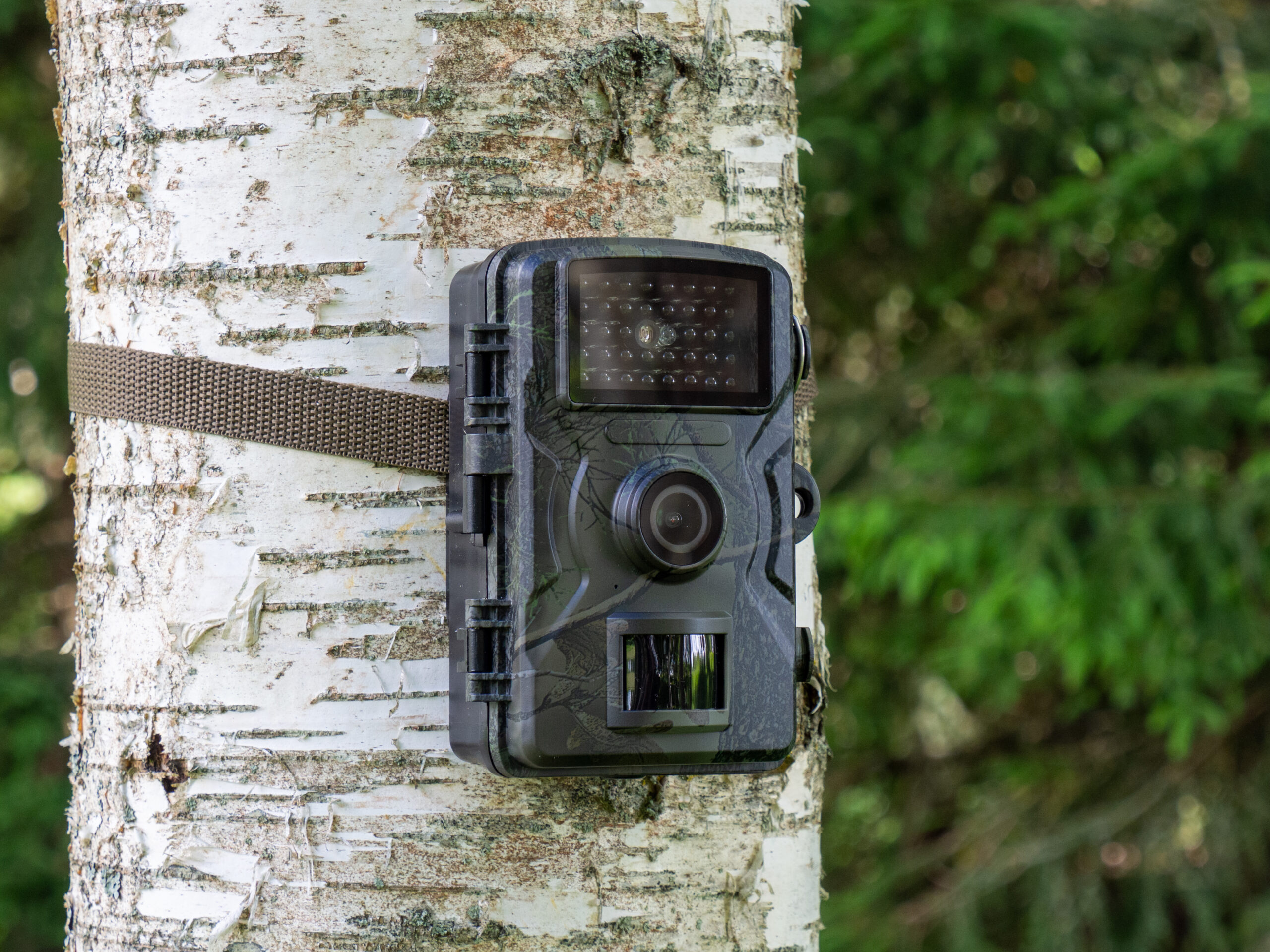
- Trail camera distortion. Wide angle cams can stretch antlers. Use several angles before you label a deer 170.
- Rut neck illusion. A swollen neck can make a young buck look mature. Confirm the belly, back line, and head size.
- Broken tines. Late rut warriors often carry chips or breaks. Count what is there, not what used to be there.
Seasonal Timing and Behavior Clues
Early Season
Right after velvet peel, antlers look clean and sharper. Deer hit patterns on food sources. This is a great time to judge true mass and tine length in stable light. Sit where you can see a side profile at last light, then make notes on beam reach and tine height against the ears.
Pre-Rut and Rut
Pre-rut is travel time. Bucks stretch their range, check scrapes, and cover ground. The neck swells, but the frame stays the same. Use quick reads on the move. In the rut, be ready at all hours. A 170 inch whitetail can show at noon with a doe and disappear in a heartbeat. Trust your system. If the frame and mass check out, do not wait for a second lap.
Late Season
Cold snaps stack deer on reliable food. Snow and harsh winds drive them to cover and predictable edges. Antler glare is strong in late light. Look for heavy beams that still cast a thick shadow and tines that rise above the ears by a clean margin. Many late-season giants fall when other hunters have called it quits.
Trail Camera and Video Clues
Use cameras as a measuring tool, not just a picture maker. Set cams for frontal and broadside shots at known distances from fixed objects. If you have a fence post, mineral stump, or feeder in view, use it as a size standard in every photo. Build a three-angle album for a target buck: head-on, right side, and left side. On video, pause when the buck stands broadside with his head level. That frame will tell you the truth about beams and G2s. At Cedar Ridge Whitetails, we pair cam data with glassing from a distance so you can confirm a buck’s class before you ever climb into a stand.
Gear and Setup That Help You Meet a 170 Inch Whitetail
- Quality 10×42 binoculars for reading mass and tine length in low light.
- A small tripod or window mount for steady glassing on long edges.
- A rangefinder so you do not guess when the moment comes.
- A steady shooting rest or well-placed rail in the blind.
- Quiet layers that do not hiss when you move in tight cover.
- Foot access routes that play the wind and protect core bedding cover.
Your system should let you judge fast, move quiet, and shoot steady. The rest is the buck’s choice to step out. Cedar Ridge Whitetails handles stand placement, access, and habitat management so you can focus on making the call.
Why Southern Illinois Turns Out Giants
Southern Illinois brings together fertile soil, diverse habitat, and agricultural energy. Cornfields pour calories into summer and fall diets. Oak flats lay down mast in big bursts. Cedar and pine thickets block wind and create warm bedding. Thick draws offer safe travel corridors between feed and cover. Cedar Ridge Whitetails builds on that natural edge with targeted food plots, sanctuary areas, and pressure control. That is why hunters here see mature bodies and heavy racks season after season.
Hunt Packages Built for Giants at Cedar Ridge Whitetails
If you are driven to tag a 170 inch whitetail, go where the odds rise with every sit. Cedar Ridge Whitetails is a family-owned hunting preserve, and every hunt is private to your party. We shape each day around your goals and your style. Choose the trophy class that fits your dream:
- 170 to 179 inches for classic heavy frames and tall tines.
- 180 to 199 inches for elite mass and beam length with true wow factor.
- 200 inches and above for once-in-a-lifetime crowns with character you will never forget.
Our guided hunts happen across a private reserve of mature timber, pine and cedar thickets, thick draws, cornfields, and food plots. On-site lodging keeps you close to the action and lets you rest and reset between sits. The result is a focused, thrilling hunt where you can read deer, make sharp calls, and hunt for the buck that fills your vision.
Put It All Together and Call Your Shot
Think simple. Mass that carries. Beams that reach. Tines that tower. A mature body that makes the whole package look right. When those four ideas lock together, you are likely looking at a 170 inch whitetail. You do not need to be perfect. You only need to be consistent. Practice with trail cam images, glass from a distance, and use solid reference points like ear width and nose length. Then trust your system when it matters most.
At Cedar Ridge Whitetails, our guides help you read racks, judge age, and stay patient for the stand to break wide open. The habitat is set, the deer are here, and the next sit can be the one. If a buck steps out with mass that does not fade, a frame that fills your scope, and a body that settles your nerves, you will know. Book your hunt with Cedar Ridge Whitetails today and chase the three dead giveaways that lead to a giant on the ground and a story you will tell for the rest of your life.
Leave A Comment